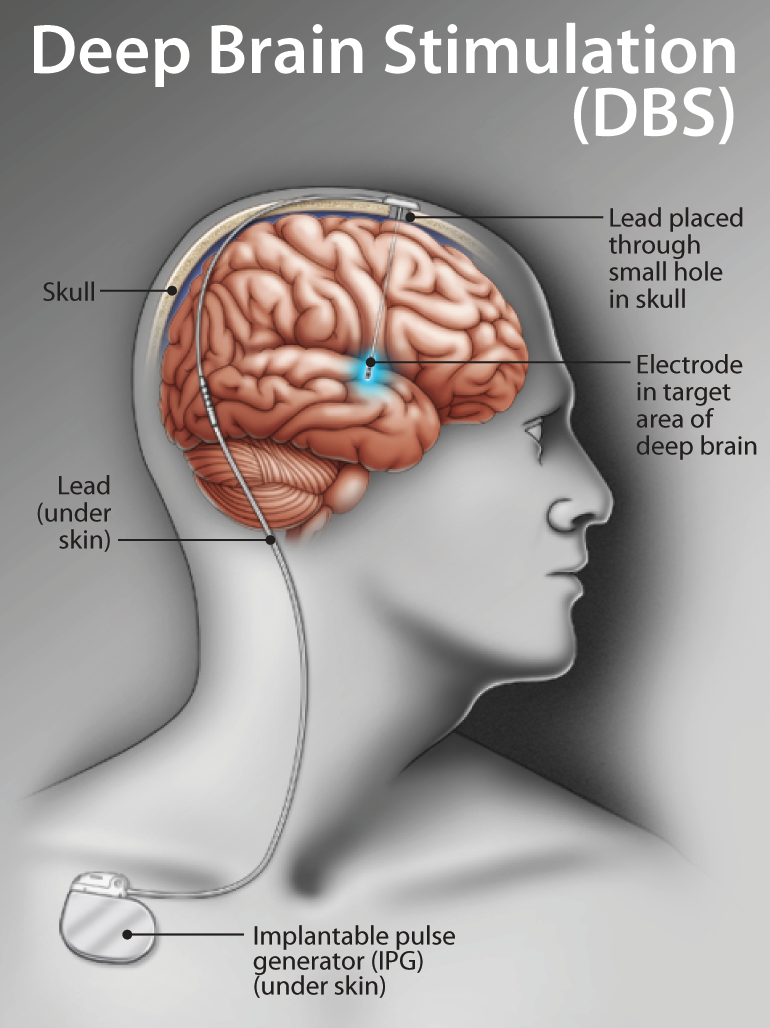
Lust on the Brain

The Talk

It’s time to have the talk. Not exactly the one that I was so afraid of having with my parents that I disposed of the American Girl Guide to the Care and Keeping of You before my mom could give it to me. It’s time to talk about the neurobiology of sex. Because as Stefanie told you last week, Christian of Denmark exhibited a lot of concerning behavior, but none concerned his contemporaries (or me) more than his addiction to masturbation. While his physician believed the masturbation was driving his other psychiatric symptoms and abnormal behavior, modern medicine suggests that it was the opposite way around. Hypersexuality, as we will see, is actually a symptom of a disorder we have talked about before: manic depression, also known as bipolar.
IYKYK. Amazon

Can(‘t) Keep My Hands to Myself

As we’ve previously discussed on the blog, bipolar disorder is a serious mental illness characterized by periods of mania followed by periods of depression. During manic episodes, patients talk more, sleep less, have an inflated sense of self, and engage in risky behavior. Christian has been described as having periods of clarity, consistent with the cyclical nature of this disease. A hallmark symptom of bipolar is the presence of delusions during mania, which is consistent with Christian’s disbelief that he was king and tendency to live in a “fantasy world”. He also experienced paranoia, having trouble trusting the people around him and fearing he would be assassinated. And he was an exceptionally poor decision maker, especially when it came to his rock and roll lifestyle.

Since the 1970s, manic episodes have been associated with “hypersexuality”. Studying this connection has proved to be difficult because “even though hypersexuality is firmly tied to bipolar illness both in the professional and lay literature, the exact definition of this term with regard to this illness has not been established. This lack of definition is problematic as sexual norms are strongly dependent on culture and historical period, making it difficult to compare studies across different time periods or cultures” (Kopeykina et al, 2016). This is similar to modern interpretations of Caligula’s behavior that we talked about previously.

Even so, increased sex drive during mania has consistently been associated with bipolar disorder. The majority of the research on the connection between libido and bipolar has been focused on “risky” sexual behaviors. Studies have found that bipolar patients having a manic episode are more likely to engage in prostitution, be the victim of sexual violence, have extramarital affairs,or be exposed to sexually transmitted diseases. It has been proposed that manic patients, “ [progress] from heightened sexual thoughts and activity in the early stages of mania, into sexual preoccupation, “provocativeness”, and sexual delusions” (Kopeykina et al, 2016).

Despite these concerning findings, the biology underlying hypersexuality, especially during mania, remains a mystery. What we do know for sure is how the brain gives rise to desire and arousal, and understanding how the neurobiology of sex works under normal conditions can gives us some clues as to what’s going wrong during disease.

Animal Instincts

I will assume that you are familiar with the basics of the biology of sex (although if not, you wouldn’t be the first person to be failed by high school sex ed). But what you probably didn’t learn from your PE teacher is that the brain is involved at all stages of sexual function. This is a massive topic, and I am nowhere near an expert. Luckily, I still have my notes from a fantastic behavioral endocrinology class that I took at Northeastern University by Dr. Jade Zee, and I am going to condense the information that she condensed from the extremely complex field. And please keep in mind that this is the last thing I want to talk about on the blog, but we are being purely scientific so please be mature, Mom. 

Let’s start with the ladies. As we have talked about before, hormones fluctuate across the menstrual cycle, giving rise to changes in physiology and mood. These hormone changes can also cause changes in a woman’s interest in and receptivity to sex. Basically, the brain and body scheme together so that a woman’s sex drive is highest at ovulation, when she is most fertile, because of the effects of estrogen. In addition, you’ve probably heard about oxytocin, the so-called love hormone. Most people are familiar with research that it is released in the brain during sex and facilitates pair bonding between partners. This hormone is also thought to trigger the reward pathways (more on that later!) in the brain as a result of sex, and has important roles in uterine contraction to facilitate fertilization.

This graph demonstrates that the proportion of successful mating attempts (open circles) in mice peaks at ovulation (dark circles), when estrogen is highest.

While this does not translate to humans, a very nice model of the effects of sex hormones on female sexual behavior is lordosis in mice. Lordosis is a particular position female mice assume when they are receptive to the advances of a suitor. Lordosis is particularly interesting because it is dependent on both sex hormones and neurotransmitters. Sexual stimuli lead to the release of hormones like estrogen in the central nervous system. Estrogen increases excitatory neurotransmitters that promote neuronal activity in the hypothalamus. If hypothalamic activity is blocked, then lordosis does not occur, presumably because the neurons in the spinal cord controlling the relevant muscles do not get the message.

On the male side, sex hormones play a similarly critical role. Castration of rodents leads to reduced sexual behavior and desire (those of you who have neutered animals know what we are talking about here), which can be reversed by administration of testosterone. Testosterone is rapidly metabolized by the body into byproducts that drive these effects. At the penis, the metabolite dihyroxytestosterone controls sensitivity to stimuli and reflexes. In the brain, testosterone is actually converted to estrogen. While estrogen is normally thought of as a female hormone, it has profound effects on the male brain and is critical for sexual behavior, acting on different brain regions to modulate libido, sensory integration, and motor behavior. There is some super interesting research that becoming a father and spending time with your children actually reduces testosterone levels, with the theory being that men need biological reinforcement to slow the roll on baby making (the pain of childbirth is believed to fulfill that role in women).
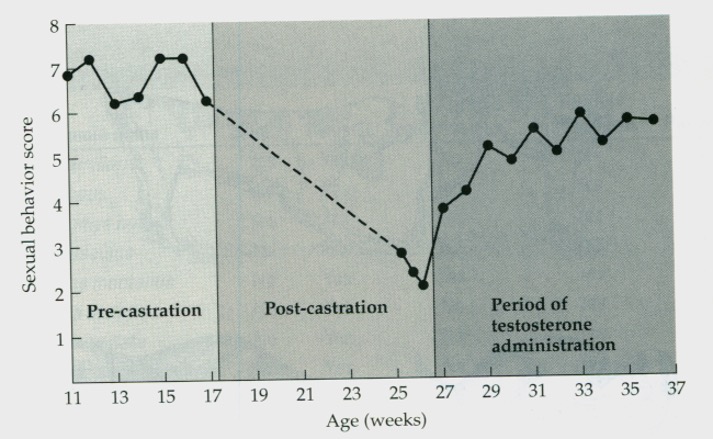
Castrated rodents showed decreased sexual behavior after castration, which was ameliorated by testosterone treatment. Grunt and Young, 1952

Neurotransmitters also participate in male sexual behavior. A gaseous neurotransmitter called nitrous oxide (NO) can be produced in the brain or locally at the penis by nerves. NO initiates a signaling cascade to promote blood flow necessary for erection. The discovery that Viagra works by preventing the termination of NO’s signaling cascade was actually an impetus for increased research into neurobiological control of sex. 

I hope you can appreciate that the brain and reproductive system are intimately connected. Hormones and neurotransmitters influence desire, arousal, and consummation through a complex network of interactions. Bipolar disorder is characterized by alterations in neural communication, but it remains unclear which of these changes affects sexual behavior at what level. It could be that sexual stimuli have a different potency for patients with bipolar. It could be that their libido is increased. But modern studies of hypersexuality hint that in cases where people engage in compulsive sexual behaviors, the brain’s reward system is often to blame. Let’s dive into that research and ponder whether the same mechanism could be at play in bipolar.

Bad Habits

While I am advocating that Dr. Struensee’s theory of “masturbatic insanity” was incorrect, I don’t want to neglect the fact that recent studies suggest self-pleasure habits can affect the brain. Specifically, there is an emerging interest in the neurobiological effects of pornography. Porn has never been easier to access thanks to the internet, and people have taken full advantage. I know these are wide ranges, but the American Psychological Association (APA) estimates that between 50 and 99% of men and 30 to 86% of women consume porn, based on studies from across the globe. And despite the fact that there is good evidence that viewing porn compulsively can lead to relationship problems and workplace indiscretions, the APA declined to include a diagnosis of “hypersexuality” in the DSM-5, because of the implications of judging someone’s sexual behavior. But that means that people who have sex and porn addictions (which the APA fails to recognize) may have trouble getting the care that they need.

Luckily, neuroscientists have jumped in where the psychologists won’t to try to prove that pornography can be addictive just like alcohol or drugs. At the center of all addiction is something called the mesolimbic pathway. The mesolimbic pathway connects the ventral tegmental area (VTA) with a region of the midbrain called the striatum. When the VTA releases a neurotransmitter called dopamine onto the striatum, a person experiences a biological reward: pleasurable feelings associated with something that is good for you evolutionarily, like sex. But objects of addiction “hijack” the pathway and become the only stimulus capable of triggering a dopamine hit. Therefore, I think the strongest evidence that porn can be addictive is that compulsive porn consumption hijacks the mesolimbic pathway. 

A simple but effective infographic illustrating why addictive substances take over the mesolimbic circuit. Wikidot

In a 2008 case study, doctors from the Mayo Clinic reported on a man who had been struggling with pornography, masturbation, and infidelity. His marriage and career were suffering and he did not respond to treatments for obsessive compulsive disorder. His psychiatrist suggested he try naltrexone, a drug used to treat alcoholism. Naltrexone works by blocking opioid receptors on neurons of the VTA, thus preventing dopamine release. The patient reported that he felt, “‘a measurable difference in sexual urges. I wasn’t being triggered all the time. It was like paradise.’” After three years of consistent naltrexone in combination with an OCD medication, he said, “‘I occasionally slip, but I don’t carry it as far, and I have no desire to meet anyone.’” Of course, this was only one person and the data is preliminary, but it is provocative.

The hypothesis that pornography can be addicting was further backed by a 2014 study out of Germany that conducted MRI imaging on over 60 healthy men. The researchers found that the more hours of pornography participants cosumed per week, the smaller a portion of the striatum, called the caudate nucleus, was on the right side of the brain. In addition, the caudate on the right side showed less communication with part of the prefrontal cortex important for impulse control and decision making. Men who watched more porn showed less brain activation in response to sexually explicit images, consistent with desensitization seen in other kinds of addictions. Moreover, they found correlations between risk for internet sex addiction and alcohol misuse, suggesting the two forms of addiction could be related. However, the authors point out that it’s possible that the abnormal size and activity of the caudate could make men predisposed to pornography addiction, rather than being a result of the compulsion. So while I don’t think Christian’s compulsive masturbation led to his psychiatric demise, there might be something to that “masturbatic insanity” theory after all.

As hours of porn viewed per week increased, right caudate nucleus volume decreased. Kuhn and Gallinat, 2014

You Will Get Pregnant and Die

Too much of a good thing is a bad thing, and for Christian, sex definitely became that thing. While his sexual habits were believed to be the cause of his insanity, we now know that hypersexuality is a common feature of bipolar disease. And, as we saw, sexual addiction is not uncommon in the broader population. Sadly, the deeply personal nature of sex and the delicacy of the topic has prevented the APA from recognizing sex addictions as a diagnosable mental illness, limiting the amount of research that can be done, particularly when it comes to clinical trials. Acknowledgment that not all sexual behavior is healthy could help a lot of people, just as understanding that Christian’s hypersexuality was a result of mental illness could have had ripple waves on history. More on that next week when our series concludes.

You know who would have advocated for a clinical definition of hyper sexuality? This man!! Seventeen

References

Bostwick, J. M., & Bucci, J. A. (2008). Internet Sex Addiction Treated With Naltrexone. Mayo Clinic Proceedings,83(2), 226-230. doi:10.1016/s0025-6196(11)60846-x

Geller, B., Zimerman, B., Williams, M., Delbello, M. P., Frazier, J., & Beringer, L. (2002). Phenomenology of Prepubertal and Early Adolescent Bipolar Disorder: Examples of Elated Mood, Grandiose Behaviors, Decreased Need for Sleep, Racing Thoughts and Hypersexuality. Journal of Child and Adolescent Psychopharmacology,12(1), 3-9. doi:10.1089/10445460252943524

Kopeykina, I., Kim, H., Khatun, T., Boland, J., Haeri, S., Cohen, L. J., & Galynker, I. I. (2016). Hypersexuality and couple relationships in bipolar disorder: A review. Journal of Affective Disorders,195, 1-14. doi:10.1016/j.jad.2016.01.035

Kühn, S., & Gallinat, J. (2014). Brain Structure and Functional Connectivity Associated With Pornography Consumption. JAMA Psychiatry,71(7), 827. doi:10.1001/jamapsychiatry.2014.93

Zee, J., Dr. (2018). Male and Female Reproductive Behavior. Lecture presented at Behavioral Endocrinology in MA, Boston.

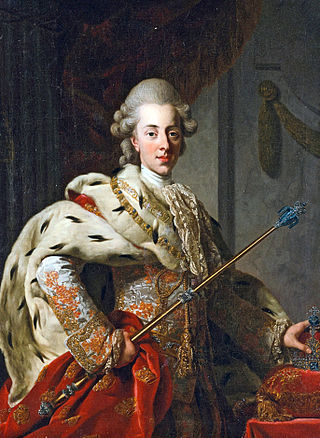
Scandalnavia


Hello dear readers and welcome to our spiciest installment of ULTC yet! This month we are getting SCANDalous in SCANDinavia….sorry, I will see myself out. That’s right: the story of Christian VII of Denmark-Norway is not for the kids. So if you and your children normally read our blog as an educational bedtime story – 1. Great parenting work and 2. Try Goosebumps this week (stick with the classics). This club has it all: sex, violence, illicit affairs, executions, wicked stepmothers, teen marriage.

This club has it all…

Familiar Territory

But first, let’s set the stage. We find ourselves in the second half of the 18th century; a time period not unfamiliar to us. Our good friend George III is king of Great Britain. Maria is the Princess of Portugal and a few years away from inheriting the throne from her father. England and France had recently fought the Seven Years War, with England emerging victorious. This was good news for England’s friend to the east, Denmark-Norway, also known as the Twin Realms. Today Denmark and Norway are separate entities, but from 1523 to 1814, the two kingdoms were joined under the same crown. Its location and access to the Baltic Sea made it a valuable ally, particularly as Russia was beginning to grow its power and influence at the end of the 18th century.

For 20 years, Frederick V had been on the throne of Denmark-Norway. His first wife, Louise, was the daughter of George II (George III’s predecessor) and together they had five children (Frederick also had five children with his mistress but who’s counting…). Christian was Frederick and Louise’s oldest surviving son, aka the heir. When Christian was two years old, his mother died. Within a year, his father had remarried, this time to Juliana Maria of Brunswick-Wolfenbüttel. Frederick and Juliana had one child, a boy also named Frederick. Remember these people because Christian’s stepmother and half-brother would come to play a significant role in his life. 

In 1766, Frederick V of Denmark-Norway died at the age of 42, leaving behind his 17-year-old son to take up his mantle. What set Denmark-Norway apart from many of its fellow monarchies, like Great Britain, was the fact that it was an absolute monarchy. The king was the supreme authority, not beholden to any government or any laws that limited his power. This was the role that the teenage Christian inherited from his late father, and it was not long before his peers were wishing they had a little more control and influence over the young monarch.

A young and impressionable Christian, who no doubt observed his father’s bad habits and behavior. Wikipedia.com.

Teenage Dream

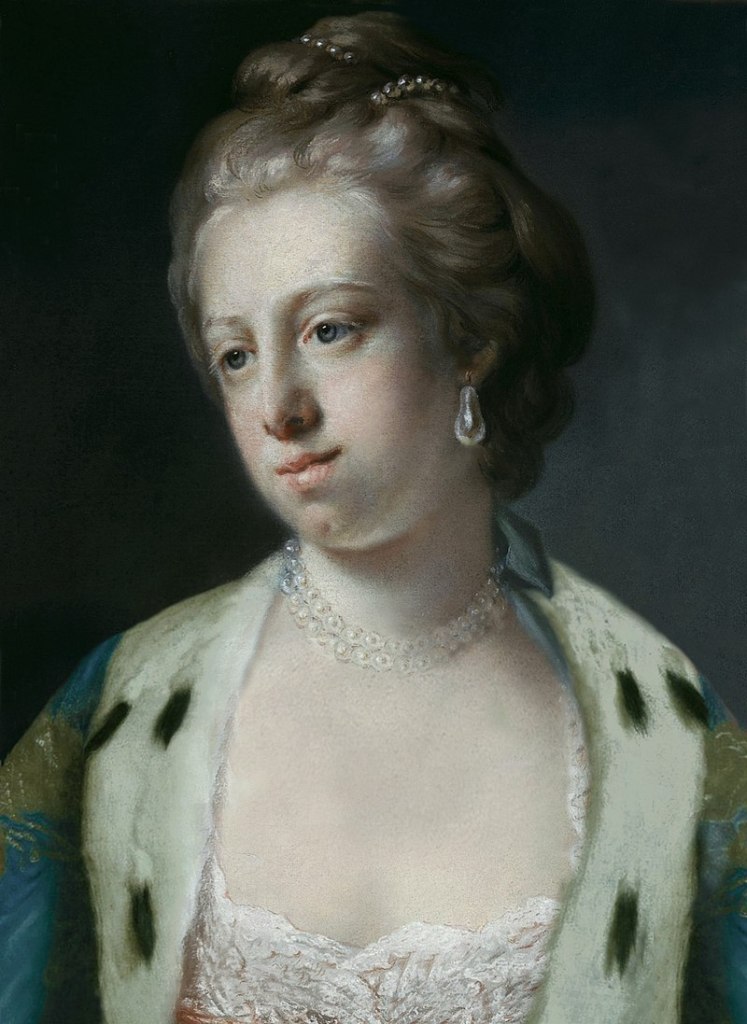
Much like Caligula and Charles VI, Christian appeared to have the makings of a great monarch when he first inherited the throne as a teenager. Late 19th century historian William Reddaway wrote that “there is abundant evidence that [Christian] impressed contemporaries as highly talented, and not a little that he showed ambition to use his talents well”. In other words, the young king seemed to have potential! But there are other sources that claim Christian was doomed from the beginning due to the poor example set by his father Frederick. Frederick was an alcoholic and lived a life not unlike 90% of the frat bros I went to college with – full of booze and women (although most guys in school were definitely lying about the women…). The fear that Christian would follow in his father’s footsteps may have been the reason why the teenage king was encouraged to get married so quickly after his ascension: surely having a wife would keep him in line. The lucky lady (or unlucky as we will see) was the fifteen-year-old sister of our buddy King George III of England, Caroline Matilda. It was an important marriage in order to solidify an alliance between Denmark-Norway and England and it was made official in November of 1766. Two years later, Caroline gave birth to a son, named (shockingly) Frederick. But unfortunately for Caroline, and for Denmark-Norway, it soon became clear that the marriage would not be enough to save Christian from the demons knocking on his door.

The Good Doctor

Sources are divided as to when exactly Christian’s behavior and demeanor began to noticeably change, with some saying it was before his wedding to Caroline and some pinpointing the shift as after. Regardless, the sources are all aligned on the fact that the major turning point came in 1768 during a tour of Germany when the young king came down with some type of physical illness. A doctor named Johann Friedrich Struensee was summoned to care for him and was so successful in nursing him back to health that Christian hired him as his personal physician. Interestingly enough, Struensee had spent a lot of time working with mentally ill patients throughout his career and seemed to have some pretty progressive ideas about how the brain worked. For example, “it was apparent to him that skull fractures and concussions could give rise to insanity” (Schioldann). So perhaps that made the doctor uniquely prepared to handle Christian’s increasingly bizarre and reckless behavior. In Struensee’s memoirs written in anticipation of his own execution (spoiler alert!!!), Struensee highlighted the following concerns that he had about Christian’s mental state:

  • “Peculiarity in his mind and character”
  • “Great guardedness and contempt of all those who were around him”
  • Unhappiness with being king, and at times a disbelief that he was actually legitimately the king
  • Easily angered if contradicted 
  • Would physically hurt himself 
  • Would break out into fits of violence 
  • Had a tendency to live in a fantasy world
  • Was paranoid that he was going to be assassinated
  • Would break into inappropriate and random laughter
  • Excessive partying 
  • Had “a bad habit that one could guess without naming it”

This “bad habit” that Struensee was referring to was, to put it delicately, Christian’s habit of pleasuring himself. Yes, it’s exactly what you are thinking. The king apparently did it so often that it was legitimately thought to be the source of his mental decline. In fact, the “official” diagnosis of Christian’s condition at the time was “masturbatic insanity”. In other words, he was indulging in his naughty hobby so much that it was literally driving him crazy. If only this was the simple explanation for men’s behavior…

Dirty Little Secret

Struensee was sure to point out in his writings that there were periods where Christian seemed to be his old self, capable of successfully and competently performing his duties as king. But during the majority of the time when he wasn’t capable, it was clear that he needed someone to step in. And the good doctor took it upon himself to be that person. This did not make him popular with the aristocratic crowd. As Christian declined, Struensee’s status continuously improved. In 1771 he was named “Privy Cabinet Minister”, an influential position in the king’s inner circle. It was a promotion that royally pissed off Struensee’s peers who believed that the doctor was getting a little too big for his knickers. But more importantly, it was widely viewed that Struensee had effectively made himself regent as a result of Christian’s unpredictable and unstable state. Because the Twin Realms was an absolute monarchy, any legislation or official decrees continued to have the king’s signature – but how much was Christian actually deciding and how much was Struensee pulling the strings from behind the scenes? 

Queen Caroline and Struensee tried their best to keep Christian’s condition a secret in order to protect the reputation of the crown, but the king’s late night partying and violent outbursts were hard to cover up. And amidst this drama, there was another secret the pair was keeping. Caroline gave birth in 1771 to Princess Louise Augusta, an occasion that would normally be met with celebrations for the safe delivery of the newest royal family member. But instead, little Louise brought a torrent of speculation upon the king’s wife and faithful minister. Now I hate to throw my girl Caroline under the bus without any hard proof, but the history books are pretty aligned on the fact that Caroline and Struensee were having an affair and that Louise was actually Struensee’s child. This was seemingly confirmed by Christian himself who at first refused to acknowledge the girl (he would later change his mind and Caroline would live her life with the status of a legitimate princess). If Struensee wasn’t popular before, this scandal DEFINITELY did not win him any friends. In fact, it probably cemented his fate and fueled his enemies – the greatest of which was Christian’s stepmother, the Dowager Queen Juliana Maria. And she was about to take evil stepmother to a whole new level. 

Full disclosure, I have not yet seen this movie about the love triangle between Christian, Caroline and Struensee. But according to The Hollywood Reporter it is “gripping, sumptuous and enthralling”!

Fatal Attraction

On January 17, 1772 the old queen orchestrated the arrest of Struensee and Queen Caroline, allegedly with Christian’s official approval. Both were charged with attempting to overthrow the king and obtain power for themselves. And of course there was the grievous crime of adultery with the king’s wife, which was not left out of the arrest warrant. It’s difficult to know if Christian was lucid enough at this time to actually have given the order for the arrest of his wife and councilor, or if he even wanted to for that matter. It is more likely that Juliana Maria and her son, Christian’s half-brother Frederick, were the brains behind the whole operation. After Struensee and Caroline’s arrest, a “trial” took place and they were found guilty. Both left behind writing during their time in prison in which they emphatically denied all of the charges. Caroline was convinced that she had been framed and that it would have been absolutely ludicrous for her to try to usurp power from her husband without any supporters (like Struensee, she had not made any friends after news of her affair broke). Struensee was sentenced to death and was publicly executed on April 28, 1772. Things with Caroline were a little more delicate because she was related to the King of England and executing her would have undoubtedly started a war. So instead, Christian had their marriage annulled and the disgraced queen was sent to live in Germany. Sadly she died there three years later from scarlet fever at the young age of 23. Christian never remarried. 
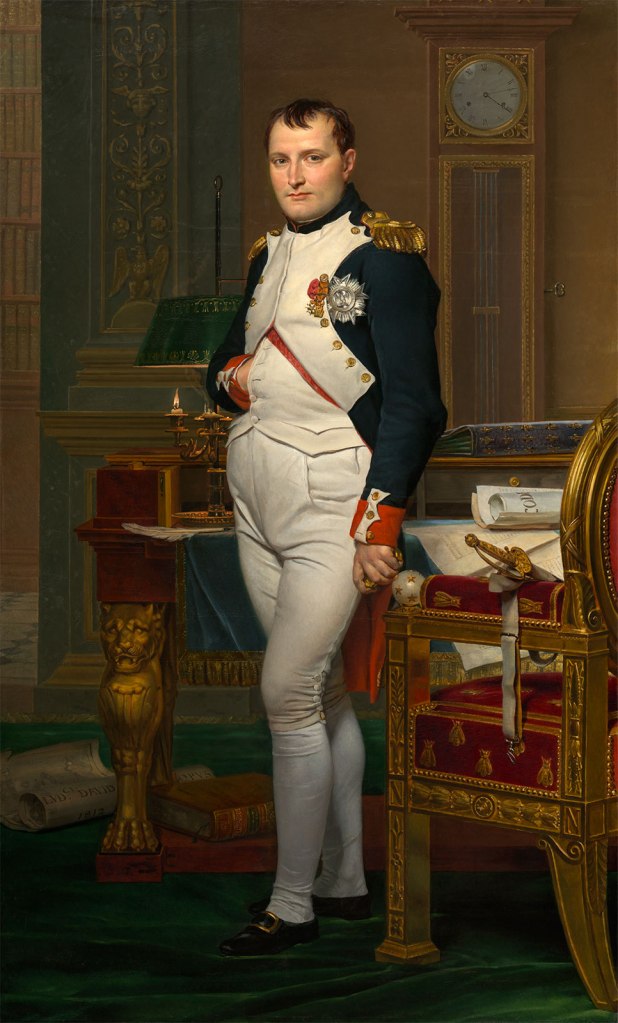
A recreation of Struensee’s arrest. As you can see he was taken in the middle of the night and was clearly not expecting company. OLYMPUS DIGITAL CAMERA.

With Struensee removed from the picture, the mother-son duo of Juliana Maria and Frederick filled the vacuum of power left by Christian’s mental decline. Juliana Maria ruled as de-facto regent until 1784 when Christian’s son came of age to be regent himself and kicked her out. But throughout all of the power struggles, Christian remained the actual king. In fact, Christian VII was king for another 36 years after the coup by his stepmother and half-brother. But what role did he actually play over those three and a half decades? Did he ever stop the one-handed parties? Tune in next week as we continue our spicy Scandinavian series and dive into the science of sex! Viewer discretion advised…

References

Aileen Ribeiro | Published in History Today Volume 27 Issue 6 June 1977. “The King of Denmark’s Masquerade.” History Today, https://www.historytoday.com/archive/king-denmark%E2%80%99s-masquerade.

Caroline Mathilde, Queen. “The Queen of Denmark’s Account of the Late Revolution in Denmark [Electronic Resource] : Written While Her Majesty Was a Prisoner in the Castle of Cronenburgh; and Now First Published from the Original Manuscript, Sent to a Noble Earl.” In SearchWorks Catalog, http://searchworks.stanford.edu/view/8034055.

REDDAWAY, W. F. “King Christian VII.” The English Historical Review, XXXI, no. CXXI, 1916, pp. 59–84., https://doi.org/10.1093/ehr/xxxi.cxxi.59.

S.M. Toyne | Published in History Today Volume 1 Issue 1 January 1951. “Dr. Struensee: Dictator of Denmark.” History Today, https://www.historytoday.com/archive/dr-struensee-dictator-denmark.

Schioldann, Johan. “‘Struensée’s Memoir on the Situation of the King’ (1772): Christian VII of Denmark.” History of Psychiatry, vol. 24, no. 2, 2013, pp. 227–247., https://doi.org/10.1177/0957154×13476199.

Ancient History: Caligula Podcast

We’re jumping back in time after last month’s modern episode. The story of Roman Emperor Caligula is a complicated one. People have claimed that the “little boot” was scarred from a traumatic childhood, suffering from mental illness, or just a bad dude. Our hypothesis? Yes to all three.

Plus: Did our brother call someone a prostitute in his high school world history class? Clarifying if Stefanie was a cat girl. Mark Antony vs Marc Anthony vs Marc Antoine. 3-5 pop culture references that will go over your head.

Thanks for joining us and remember to subscribe and leave a review on your podcast platform of choice!


Good Charlotte


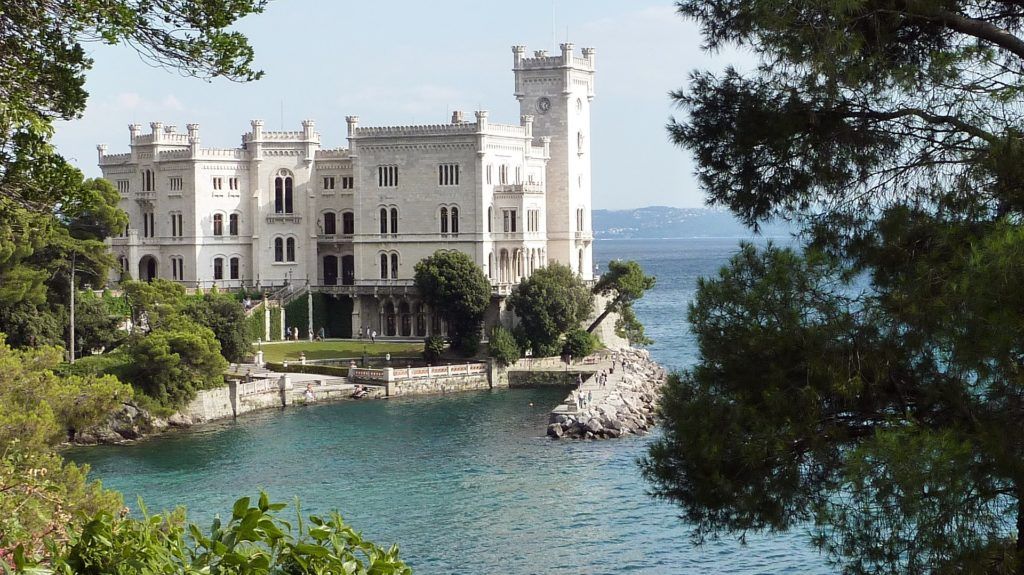
Following the international incident in Rome where Charlotte temporarily moved into the Vatican and refused to eat or drink for fear of being poisoned, her brother Phillipe finally agreed to visit her. His assessment of her condition convinced Phillipe that Charlotte could not go back to the life she once knew – either in Mexico or in Europe. She needed to be cared for. And so like most of the sad stories we cover here at ULTC, the time was ripe for a man to step in and take advantage of the empress’s vulnerable situation. That man was Count Karl Bombelles, a childhood friend of her husband Max who had recently returned from Mexico. In his mind, Charlotte was the one to blame for the dangerous predicament that Max now found himself in. Karl’s resentment of her ensured that his “care” of her would be more akin to that of a jailer than a caregiver. Bombelles brought in the help of “alienists”, an early word for what we would now call psychiatrists. These alienists declared Charlotte officially insane and so her family did not protest when Bombelles moved her to Miramare, the home that she and Max had built and had once shared and loved. Unfortunately for Charlotte, it was a brief stay, as she was soon moved to a smaller dwelling on the Miramare grounds where it was easier to keep her locked in. It would be her prison for the next ten months.

Famous Last Words

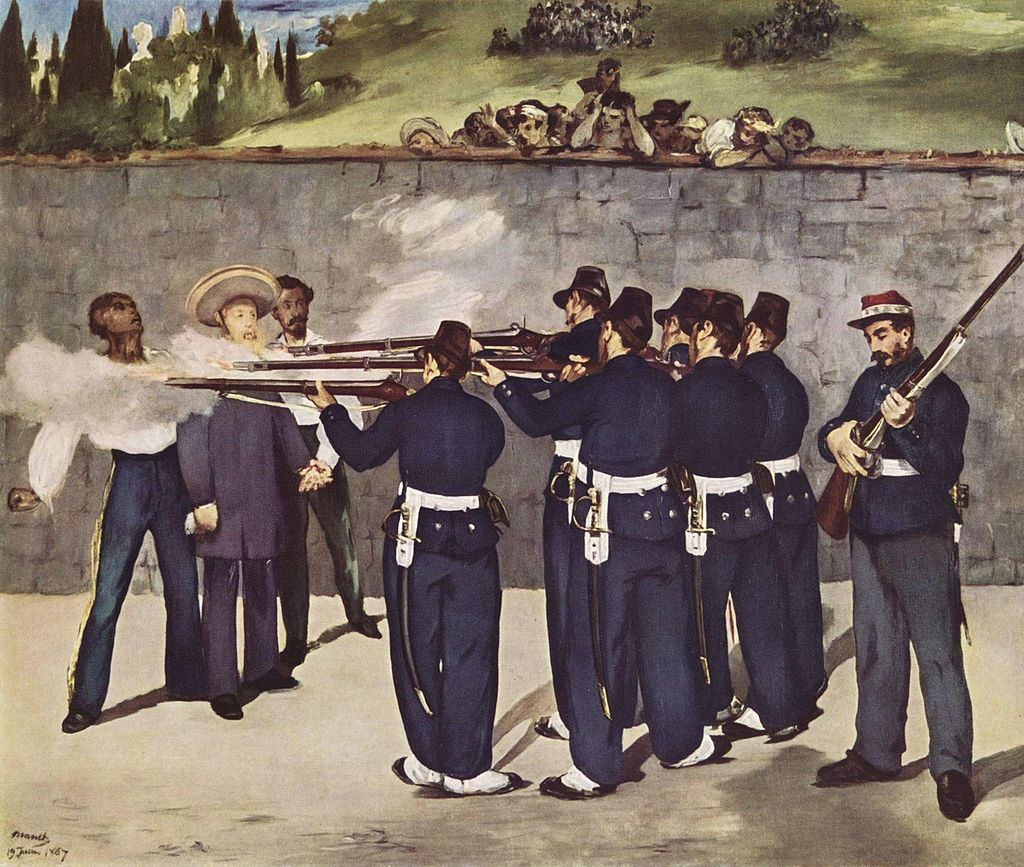
Ironically, Charlotte’s decline into mental illness almost saved her husband’s life. Upon learning about Charlotte’s concerning condition, Max was so upset that he had one foot on a ship back to Europe. Before he could set sail, his sketchy councilors talked him out of leaving and Max agreed to stay and fight for his crown. By staying he sealed his fate – in May 1867 Max surrendered to Benito Juárez’s troops and was taken prisoner. Because of his position and because he was the brother of an emperor, many of Max’s peers thought that Juárez would spare his life. Unfortunately, they were wrong. On June 13, 1867, Maximilian and two of his soldiers were marched before a firing squad. It is said that his last words were, “Poor Charlotte”. 

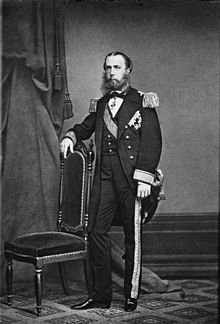
Max’s execution following his surrender in 1867. Clearly there was no favoritism for the former Emperor of Mexico. en.wikipedia.org.

Poor Charlotte indeed. Those around Charlotte who cared for her kept the news of Max’s death a secret, afraid that it would send her back to a dark place. In fact, it wasn’t until a year later that she was told. To her credit, Charlotte took the news relatively well, almost as if she knew all along what had happened. For the rest of her life, Charlotte was hidden from potentially upsetting news about the world around her, yet had the uncanny ability to always know more than she should have. It is said that she knew about World War I even though every effort was made to keep her oblivious. She is quoted as eerily saying, “one supposes there is something going on because one is not gay…The frontier is black, very black”. Spooky season is upon us…

I Need a Hero(ine)

It is hard to know exactly what happened during the months under Bombelles’ cruel watch, but whatever it was, it wasn’t good. There were rumors of straightjackets, chains, and beatings, and it was suspected that Charlotte may have been the victim of sexual abuse. Eventually, the empress found her savior in a very unlikely place – her sister-in-law, Queen Marie Henriette of Belgium, wife of Charlotte’s oldest brother Leopold II (who had refused to step in this whole time). Marie Henriette became so upset at the reports of Charlotte’s condition that she insisted on putting eyes on Charlotte for herself. And she didn’t like what she saw. As a queen, you would think that Marie Henriette would have been able to simply take her sister-in-law, but Bombelles was determined not to let her leave. It took several weeks, great persistence and the influence of the queen’s rank to finally free Charlotte from her prison.

Don’t be fooled by the stunning views of Castle Miramare – it is said that the castle is haunted by Charlotte’s ghost. Idk, sounds like an awesome slumber party to me! exploreitaly.com.

The remainder of Charlotte’s life was spent surrounded by family as she fluctuated between lucidity and delusion. Her suspicion that she was being poisoned never disappeared completely, and she also developed new habits that confirmed to her family and friends that she would never be able to live a “normal” life. She wrote hundreds of intelligible and frenzied letters that were mailed to no one, she had frequent fits of rage and, like Maria I of Portugal, her ramblings became more and more biblically doomsday in nature. 

Yet Charlotte remained a perfect physical specimen. And let me tell you, this woman went through it. She narrowly escaped a devastating fire in 1879. She outlived all of her family members. She even lived through WWI. She had been so isolated from the outside world that she learned about airplanes for the first time when bombers flew over her property during the war. And Charlotte remained very self-aware of her state of mind, often openly acknowledging her “madness” to those around her. She also proved capable of managing her enviable financial situation – at the time of her death Charlotte was one of the richest women in the world. Yas Queen!

A photograph of an elderly Charlotte riding in style as one of the world’s richest women. You better werk! en.wikipedia.org.

Certified Lover Boy

Charlotte’s onetime Mexican Empire became a distant memory, as did her late husband. Charlotte rarely acknowledged Max, and so the nature of their relationship remained a mystery. Particularly their physical relationship, if there ever had been one. Her own family was under the impression that they had never been intimate once throughout their marriage. Of course, rumors like this led many to believe that Max was either gay or impotent. However, there were just as many stories of Max’s romantic trysts with local women in Mexico. This makes it even more puzzling as to why, if he cared for Charlotte deeply (and his letters indicate that he did), he would choose to turn his affections elsewhere, knowing the importance of producing an heir. For hundreds of years, royal couples with much more disagreeable marriages had grinned and bared it in the pursuit of continuing their legacy. Rumors of Max’s infidelities followed Charlotte for the rest of her life and beyond, most specifically in the form of a man believed by many historians to be his bastard son – Julián Sedano Y Leguízamo. Julio had eventually left Mexico and ended up in France, where he was recruited by the Germans to be a spy during World War I. He was caught after two years and was executed by firing squad, just like his (alleged) dad.

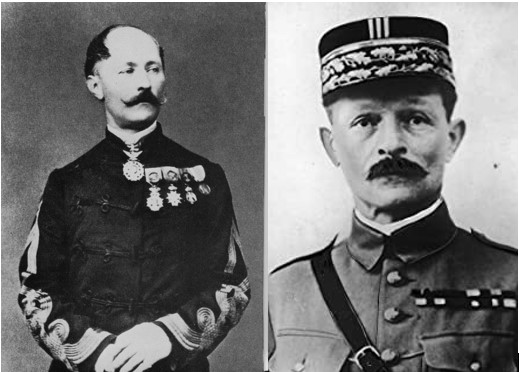
And Charlotte was not immune to scandalous rumors herself. There are many who posit that the empress was pregnant when she sailed from Mexico to Europe to ask Napoleon for his help. She was apparently sick throughout the journey (can’t imagine it was from spending months on a gross boat…) and physically hiding a pregnancy wasn’t out of the realm of possibility with the fashion of the time. The baby daddy was said to be General Alfred Van der Smissen, who Charlotte had grown close to while her husband was often absent. The evidence? An uncanny resemblance between Van der Smissen and the child in question, Maxime Weygand. But of course, Charlotte wasn’t the only woman in Mexico who Van der Smissen could have knocked up. Other theories claim that the real mother could have been one of her ladies-in-waiting. Weygand grew up to be a respected French general in both WWI and WWII (so in the battle of possible illegitimate sons, Charlotte definitely won). Could this taboo pregnancy, which then forced her to secretly give her baby away, have contributed to Charlotte’s mental decline? The theory certainly makes for compelling drama, but I’m not sure it passes the bar of historical credibility. 

General Alfred Van der Smissen on the left and Maxime Weygand on the right. What do you think? Any resemblance?

Legends Never Die

Charlotte’s time on the throne of Mexico is but a mere blip in history, since forgotten (or excluded) by textbooks. After kicking France out and eliminating Max, Benito Juárez went on to lead Mexico until a fatal heart attack four short years later. Following his death, the country again plummeted into a period of unrest as numerous characters fought to fill the vacancy. The man who eventually succeeded in grabbing power was Porfirio Díaz, who ruled Mexico as its president/dictator until 1911. And still, Charlotte lived for another decade and a half. Charlotte, Princess of Belgium, Archduchess of Austria, Empress of Mexico, passed away on January 19, 1927 at the ripe old age of 87. She outlived them all. 

As the song goes… “adios Mama Carlotta”. 

References

“Emperor of MEXICO EXECUTED.” History.com, A&E Television Networks, 3 Mar. 2010, http://www.history.com/this-day-in-history/emperor-of-mexico-executed.

Haslip, Joan. The Crown of Mexico; Maximilian and His Empress Carlota. Holt, Rinehart and Winston, 1976.

Michel. The Empress of Farewells: The Story of CHARLOTTE, Empress of Mexico. Atlantic Monthly Press, 2002.

Smith, Gene. Maximilian and CARLOTA: A Tale of Romance and Tragedy. Wm. Morrow & Co., 1973.

Poison Paradise

That Girl is Poison(ed)

There are many reasons why Carlota of Mexico would have been paranoid that someone was poisoning her. Her husband was unfaithful, she was stripped of her influence in the government, and her throne and very life were in imminent danger. That particular combination would probably put most people on edge. When you consider she was also exhibiting insomnia and disordered, constant speech, bipolar disorder or schizophrenia also seems like a likely explanation. But like any good detective from a true crime documentary, I have to wonder if the simplest explanation could be the correct one: what if Carlota thought she was being poisoned because she actually was?

The Green Monster

I’m far from the first person to suggest that Carlota’s fears were not completely unwarranted. I’ve come across some claims that someone was slipping small amounts of bromide, a toxic ionic form of the element bromine, into her morning coffee. But given that the neurological effects of bromide poisoning are more common when it is inhaled in a gaseous form, I’m not sure how likely this is. There are also theories that she was being given small amounts of psychotropic drugs while living in South America. This doesn’t quite add up since Carlota first claimed that she was poisoned when she fell ill in Yucatan, but then became absolutely fixated on it a year later in Europe. Besides, I’m not quite sure what anyone would have gained from poisoning Carlota. The empire in Mexico was poised to fall with or without her, and it’s not like her presence was holding Max back from pursuing other women. 

But in the 19th century, you didn’t need a mortal enemy to end up being poisoned; you only needed expensive taste. In our Ivan the Terrible series, we talked about how the ubiquity of mercury in beauty products and medications in the 1500s might have contributed to his dramatic change in personality. It wasn’t until 1865, the year Carlota first claimed she was being poisoned, that the first report of lethal mercury poisoning was published. But there was another toxin hiding in plain sight: arsenic.

Beauty was literally pain in Carlota’s era. The trendiest shade of green meant risking arsenic poisoning. Esquire

It was not news by Carlota’s lifetime that arsenic, one of the metalloid elements from the periodic table, was dangerous; it was described as a toxin as early as the first century (!) and because of the prevalence of intentional arsenic poisonings, a test had been developed in the 1830s to detect it. The problem was that arsenic was cheap and useful. Arsenic was a byproduct of common manufacturing processes during the industrial revolution and was sold in the white powdered form of arsenic trioxide. This “white arsenic” was then given a second life in food, drink, candles, home furnishings, and more. And green dyes made from arsenic and copper found their way into wallpapers, clothing, and accessories when the color reached peak popularity in the 1860s and 1870s. The widespread use of arsenic is typically associated with England, the industrial revolution powerhouse, but also found its way across Europe and America. It wasn’t until 1903 that Britain set limits on arsenic levels in food and drinks, but they never passed legislation regulating arsenic in other consumer products. Moreover, it seems pretty clear that limiting arsenic levels isn’t enough; any amount can have grave effects. 

In Plain Sight

Lest we look at history with judgmental eyes, I want to point out that our modern society is not above including dangerous chemicals in consumer products. My high school science fair project (and I’m not that old) was about an emerging chemical of concern called bisphenol a (BPA). BPA belongs to a class of chemicals known as endocrine disruptors, a major concern in modern manufacturing. As you might have guessed based on the name, endocrine disruptors are chemicals that interfere with the endocrine (hormone) system by mimicking endogenous hormones, altering their levels, or interfering with their production. If you read our series on Alexandra Romanov, you know that messing with the endocrine system is a big no-no, seeing as hormones play an important role in, well, everything that your body does. 

The three main mechanisms of actions of endocrine disruptors. NIH

BPA is in polycarbonate plastics and resins that were pervasive components of food and beverage packaging and storage. Because BPA can leach out of these materials into food and drinks, and are stable in the environment for a long time, it’s not surprising that a 2008 study found that out of 2500 participants, 96% had measurable levels of BPA. Once in the body, BPA can interfere with components of the estrogen, thyroid hormone, androgen, and glucocorticoid pathways. BPA also produces epigenetic changes in mice exposed to the chemicals. This widespread disruption is reflected by studies exploring the links between BPA and diabetes, infertility, impaired sexual and neural development, and neuronal plasticity. 

However, the Food and Drug Administration (FDA) had conducted independent studies and reviewed others demonstrating that BPA is rapidly inactivated or eliminated when ingested orally. They are continuing to research the effects of BPA since there is a lot of conflicting data, and therefore, the FDA currently only restricts BPA in baby bottles, sippy cups, and packaging for infant formula, given that infants are the most vulnerable to the developmental dangers presented by endocrine disruptors. Individual states may have additional regulations on products made for pregnant women and young children. Luckily, many companies, much like wallpaper manufacturers of the Victorian age, have eliminated BPA from their packaging due to customer concerns. 

The chemical structures of BPA, the synthetic estrogen DES, and the natural hormone estradiol. Rubin, 2011

The truth is, we are not all that different from the average shopper in the 1860s. We like what we like and we don’t tend to think about how our benign purchases might affect our health in the long run. I’m guilty of it too. A study finding high levels of another endocrine disruptor, per- and polyfluoroalkyls (PFAS), in some brands of carbonated waters hasn’t done much to curb my seltzer habit. It takes longer for us to learn how chemicals affect our bodies than it does for them to become staples in manufacturing. So be curious about what you’re putting into and onto your body. If my suspicions are true, such a curiosity could have saved Carlota from a tragic psychological demise.

Forget Me Not

Other than the massive coincidence that arsenic-containing products were at the peak of fashion at exactly the same time that Carlota began exhibiting symptoms of mental illness, what evidence supports that her condition might have been caused by arsenic poisoning? Sadly, arsenic from rocks continues to contaminate drinking water in some parts of the world, especially China, India, and the western United States. We know from studies of people in the US that acute arsenic poisoning is associated with the “development of a psychosis associated with paranoid delusions, hallucinations, and delirium” (Saha et al, 1999). Sounds an awful lot like Carlota’s manic episode at the Vatican and constant fears of being poisoned by her inner circle. 

However, if Carlota experienced acute arsenic poisoning, there’s no way that she would have lived to be 88. Depending on how much arsenic you are exposed to and how frequently, it could take anywhere from a matter of months up to a decade for symptoms to emerge. Symptoms of chronic arsenic poisoning begin with changes to the skin and then progress to the eyes, gut, and lungs. I wish that I knew what Carlota’s physical symptoms were when she first complained that she was poisoned. If she had none of these symptoms, it’s unlikely that she was suffering from arsenic poisoning. But what is consistent between Carlota’s experience and modern studies of chronic arsenic poisoning is that there is an increased level of insomnia, depression, and anxiety, and other mood disorders in people exposed to arsenic. 

For all the overachievers looking to learn about LTP in more detail.

If arsenic was the cause of Carlota’s mental illness, we need to understand how it affects the brain. Observations that learning and memory were impaired in people exposed to arsenic was the first clue. Memory formation occurs in a region of the brain called the hippocampus. While the molecular basis of memory formation is not fully understood, the leading hypothesis is a process called long-term potentiation (LTP). LTP goes a little something like this: neurons in the hippocampus release a neurotransmitter called glutamate. This glutamate binds to receptors on other neurons. If the signal is strong enough, the neuron on the receiving end will have an electrical response that opens up a different kind of glutamate receptor called NMDAR. This NMDAR triggers a cascade in signaling events, resulting in the neuron being more receptive to future neurotransmitter signals. The strengthened connection between the two cells is the physical correlate of the memory. But in multiple studies, rodents exposed to arsenic have impaired performance on memory and learning tasks, and their hippocampuses do not exhibit normal LTP. This was driven by decreased expression of NMDAR genes and other proteins that signal downstream of glutamate. Arsenic also interferes with other neurotransmitter signaling pathways, like cortisol, serotonin, and dopamine, explaining how it is able to destabilize mood.

Additionally concerning is the observation that arsenic exposure decreases generation of new neurons in adults. So-called adult neurogenesis is already a limited and delicate process, and may be disrupted by alterations to neurotransmitter signaling. Neural stem cells treated with arsenic in culture dishes had lower levels of protein needed for them to mature into neurons. In rodents exposed to arsenic, neural stem cells showed increased levels of cell death. The link between decreased adult neurogenesis and mental illness is still tenuous, but it’s notable that many antidepressants and some antipsychotic medications promote neurogenesis. Thus, arsenic’s interference with neurogenesis may contribute to neuropsychiatric manifestations of its poisoning.

Cold Case

In my research, I came across a case study from 1989 of two men in their late 20s who were exposed to arsenic at work. They experienced psychiatric symptoms like anxiety, suicidal ideation, confusion, memory impairments, difficulty focusing, and cognitive deficits. In some ways, they reminded me of Carlota. But while she lived another half century grappling with her mental illness, these men recovered within a year and a half of being removed from the source of exposure.

So either Carlota had a constant source of arsenic throughout the rest of her life, or something else was to blame for her mental collapse. Given that there is no evidence that she experienced the tell-tale somatic signs of arsenic poisoning, I think the latter is most likely the case. Her insomnia, fits of rage, disordered speech, and paranoia are consistent with schizophrenia, a developmental disease that affects neural communication. But that doesn’t necessarily mean she was never poisoned. What I hope you take away from this post is that chronic poisoning can have profound effects on neurological functioning. And based on modern evidence, it can also increase the likelihood that a person develops a mental illness. Maybe Carlota never was exposed to arsenic. But maybe she wasn’t that crazy after all; maybe there was something slipped into her teacup that triggered a cascade of biological consequences. And in the wake of her psychiatric crisis, the Mexican empire crumbled. All that, next week when we wrap up our series on Carlota.


References

Aimee, A. (2020, September 24). Some sparkling water brands have PFAS chemicals, study finds. Retrieved from https://www.cbsnews.com/news/pfas-chemicals-in-sparkling-water-polar-topo-chico-study/

Barrett, J. R. (2010). An Uneven Path Forward: The History of Methylmercury Toxicity Research. Environmental Health Perspectives,118(8). doi:10.1289/ehp.118-a352bEndocrine Disruptors. (n.d.). Retrieved from https://www.niehs.nih.gov/health/topics/agents/endocrine/index.cfm

Meyer, M. (2019, July 10). An Everyday Poison. Retrieved from https://www.sciencehistory.org/distillations/an-everyday-poison

Mo, C. (2020, December 09). Bisphenol A (BPA) Regulations in the United States: An Overview. Retrieved from https://www.compliancegate.com/bisphenol-a-regulations-united-states/#Which_products_and_materials_may_contain_Bisphenol_A

Morton, W. E., & Caron, G. A. (1989). Encephalopathy: An uncommon manifestation of workplace arsenic poisoning? American Journal of Industrial Medicine,15(1), 1-5. doi:10.1002/ajim.4700150102

Rae, H. (2016, October 11). When Poison Was Everywhere. Retrieved from https://www.theatlantic.com/health/archive/2016/10/the-era-when-poison-was-everywhere/503654/

Rubin, B. S. (2011). Bisphenol A: An endocrine disruptor with widespread exposure and multiple effects. The Journal of Steroid Biochemistry and Molecular Biology,127(1-2), 27-34. doi:10.1016/j.jsbmb.2011.05.002

Saha, J. C., Dikshit, A. K., Bandyopadhyay, M., & Saha, K. C. (1999). A Review of Arsenic Poisoning and its Effects on Human Health. Critical Reviews in Environmental Science and Technology,29(3), 281-313. doi:10.1080/10643389991259227

Schoenfeld, T. J., & Cameron, H. A. (2014). Adult Neurogenesis and Mental Illness. Neuropsychopharmacology,40(1), 113-128. doi:10.1038/npp.2014.230

Smith, R. (n.d.). Arsenic: A Murderous History. Retrieved from https://sites.dartmouth.edu/toxmetal/arsenic/arsenic-a-murderous-history/

Tyler, C. R., & Allan, A. M. (2014). The Effects of Arsenic Exposure on Neurological and Cognitive Dysfunction in Human and Rodent Studies: A Review. Current Environmental Health Reports,1(2), 132-147. doi:10.1007/s40572-014-0012-1

Charlotte’s Web


For those of you loyal readers who joined us for last month’s series on Maria I, a tale that took us from Portugal to Brazil, Charlotte’s story may seem similar on the surface: a royal family from Europe travels across the Atlantic to take up residence and a throne in South America (or North America in this case) without any prior knowledge of the land or people. For Maria, her mental difficulties began before she and her family were chased out of Portugal by the French, and she died in Brazil never having recovered. For Charlotte, her experience was much different, and she undertook her journey with the utmost excitement and hope – which made how it ended that much more devastating.

You Get a Crown and You Get a Crown…

Before our protagonist was known by the Spanish styling of her name, Carlota, she was born on June 7, 1840 as Charlotte, Princess of Belgium. She came from impressive stock as the daughter of King Leopold I of Belgium and Louise of Orleans (the daughter of France’s last king, Louis-Philippe). Belgium had only been granted its independence in 1830 with the thumbs up from Europe’s most powerful monarchs. They decided that Belgium would have a monarchy and a monarchy needed a king, but who could they trust with that power? So wait, they were just handing kingdoms out?? Leopold, who was in the market for a crown (he had previously been offered Greece but turned it down), fit the bill – he was related to England’s queen and was married to the King of France’s daughter. Not surprisingly, England and France’s opinions carried the most weight and they approved Leopold, creating Europe’s newest royal family.

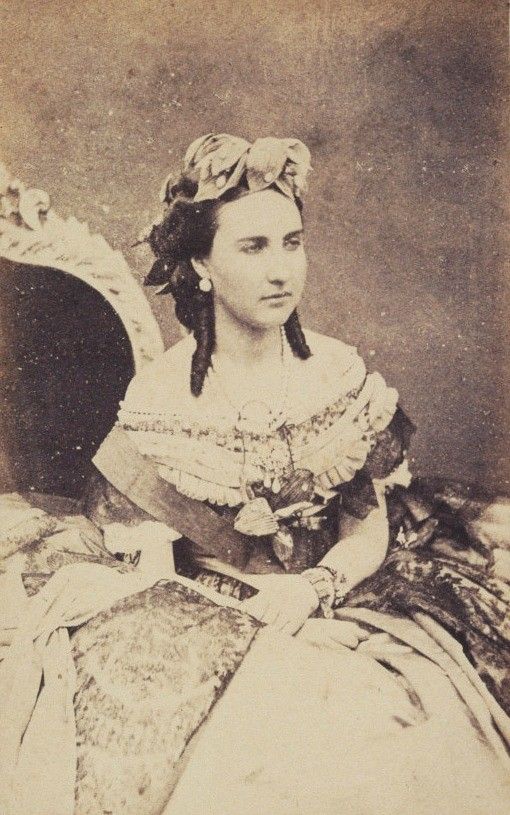
Charlotte as a young Princess of Belgium and downright cherub. https://en.wikipedia.org/

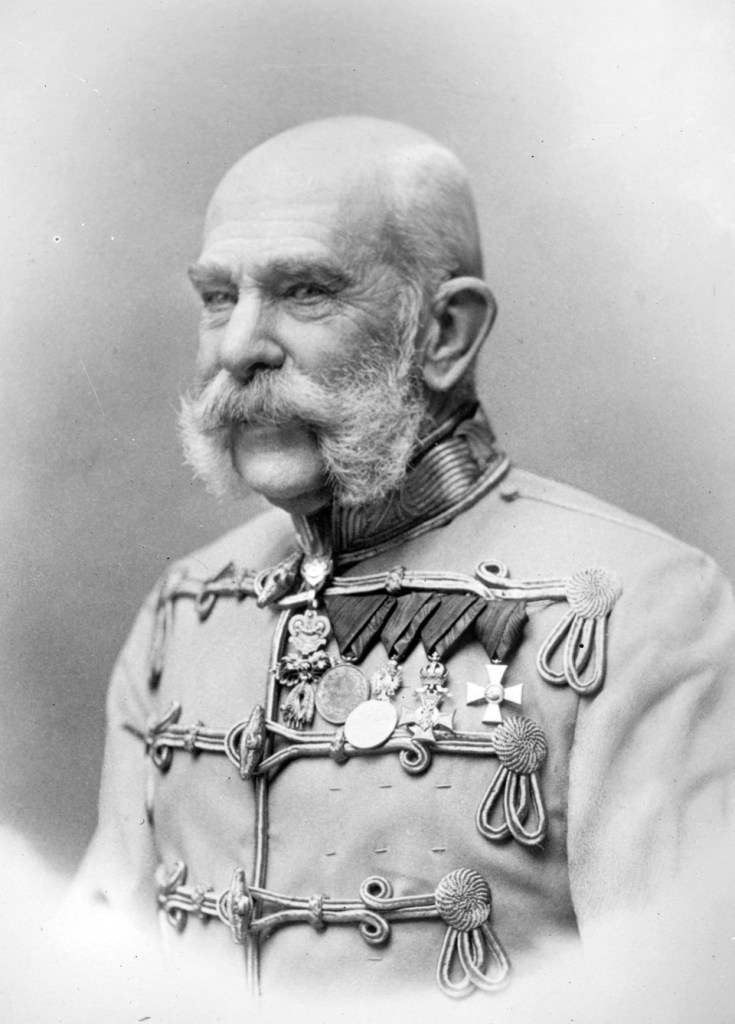
Charlotte’s status seemed to take a further step up when she married Archduke Maximilian of Austria when she was 17, a member of the royal Habsburg family – you know, the ones known for their giant chins as a result of years of inbreeding. Charlotte’s marriage transformed her into an Archduchess (the title the Habsburgs started to use to display a status of not quite “emperor” but more than a “duke”). Maximilian’s older brother, Franz Joseph was the Emperor of Austria, which should have been a sweet family alliance to have in your back pocket. As we will see, their relationship turned out to be more of a curse than a blessing. For the first years of their marriage Charlotte and her husband enjoyed the status that their positions offered. Then in 1861 they were presented with the chance for a crown of their own – in Mexico. But why Mexico? Let’s get a brief rundown:

  • Mexico becomes independent from Spain in 1821, forms its own empire and crowns Emperor Iturbide
  • Iturbide is assassinated in 1824
  • Mexico experiences decades of unrest amidst lack of leadership
  • Benito Juárez gains political prominence in the 1850s as Mexico’s Republican leader
  • France wants to be paid back for the massive loans it has given Mexico, but Juárez is not interested – France is now pissed and wants him gone
  • France fights Mexico, and Mexico wins an underdog battle for the ages at the Battle of Puebla on May 5, 1862. News flash: Cinco de Mayo isn’t just a day for drinking margs. It is actually a Mexican holiday celebrating this historic win!
  • France’s solution? Kick Juárez out, create a new empire, and put a European ally on the throne
  • The allies? Charlotte and Max – a couple loyal to France, with a royal background and time on their hands
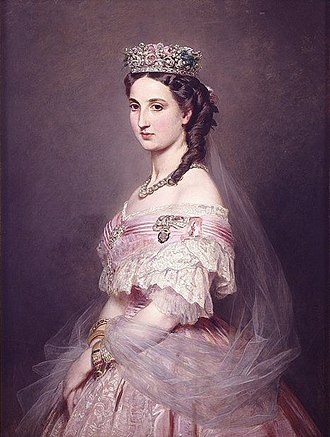
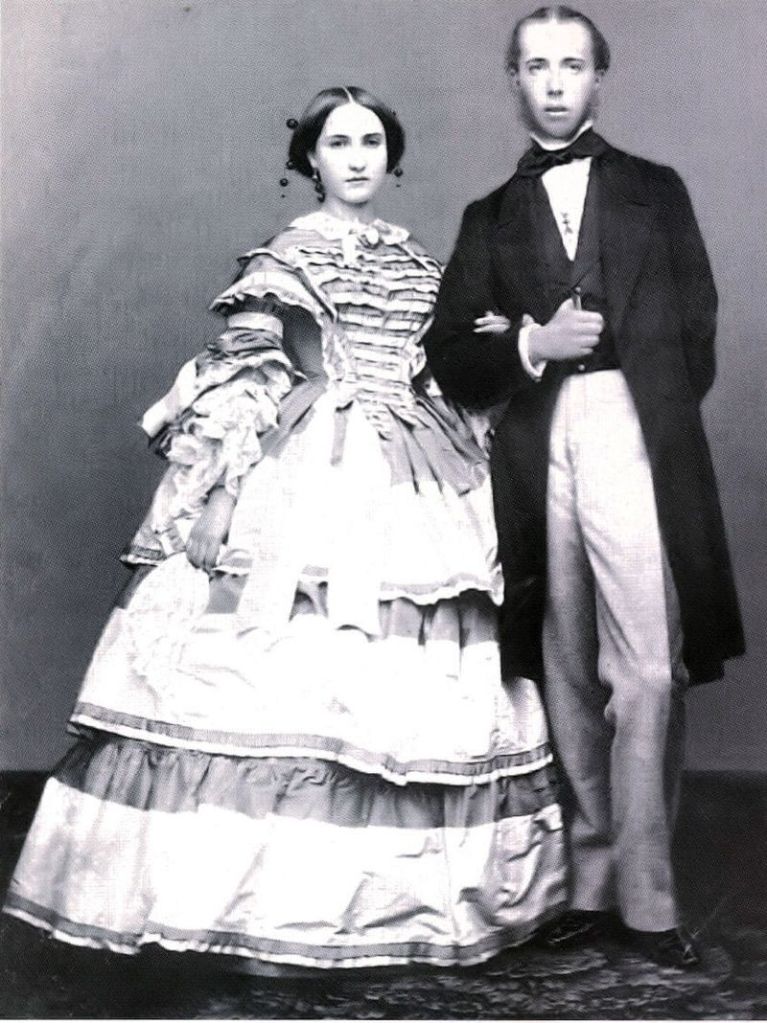
Charlotte serving absolute LEWKS. Max was a lucky guy in my opinion *sips tea*. https://en.wikipedia.org/

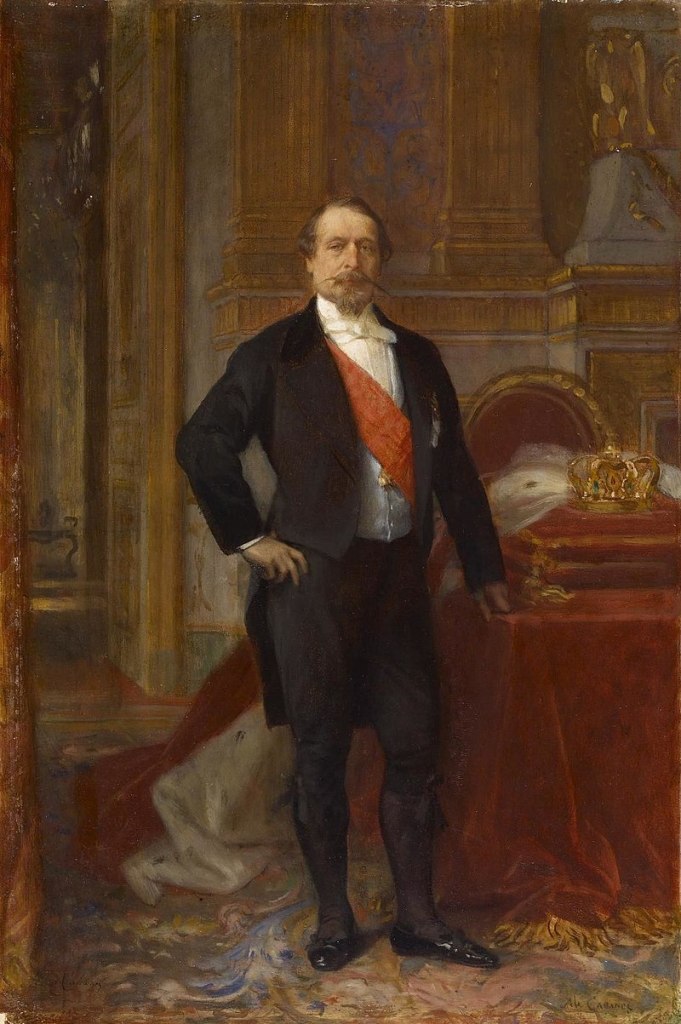
And speaking of France, much like last month’s story of Portugal and Brazil, our story of Mexico also involves France and Napoleon, this time Napoleon III (nephew of the OG Napoleon Bonaparte). It was ultimately up to Napoleon to approve the plan to put Charlotte and Max on the Mexican throne, which he did. Charlotte and Max knew pretty much nothing about Mexico when they were approached with the idea to form a new Empire, but the Mexican exiles in Europe who were pitching the idea were great salesmen. They essentially told Charlotte and her husband that the Mexican people were not only in favor of the new monarchy, but were dying in anticipation of their arrival. Obviously an exaggeration, but one that made the Archduke and Archduchess more determined to accept the proposal. They agreed to be the next Emperor and Empress of Mexico, but they would have to make substantial sacrifices in order to do so.

No Risk It, No Biscuit 

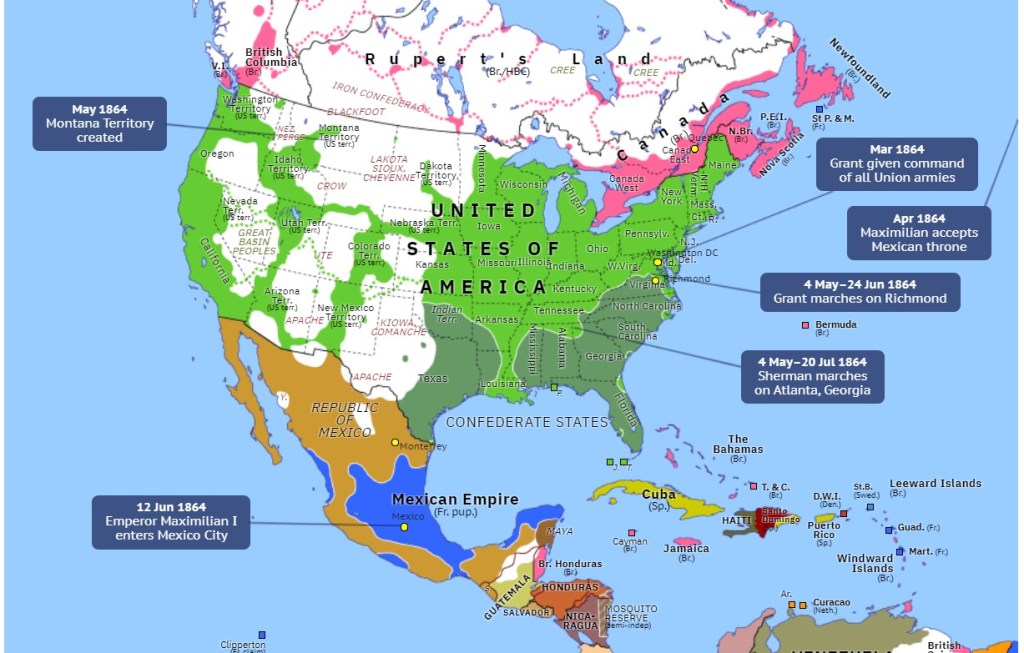
Shockingly, not everyone thought it was a good idea. Charlotte’s grandmother was even quoted as saying “they will be assassinated” (Michael) upon hearing the news – spoiler alert perhaps?? And remember Max’s older brother Franz Joseph, Emperor of Austria, who seemed handy to have in the family? Well, Franz Joseph was not as crazy about the Mexico plan as his little brother was, declaring that if Max were to accept this new position he would lose his title of Archduke of Austria, and worse, his place in line to the Austrian throne. Essentially, Max would have no place in the Austrian royal family if things in Mexico were to crash and burn and he would need to return to Europe. It was an impossible decision, not least because Max and Charlotte knew that nothing was guaranteed when it came to the future of their new empire. And to top it off, there was the United States. The U.S. was nearing the end of the Civil War, and those in favor of the Mexico plan in Europe had been hoping for a Southern victory, as the South seemed more willing to acknowledge a new European monarchy. Unfortunately for Max and Charlotte, this was not to be, and “the House of Representatives unanimously voted in favor of a bill opposing the recognition of a monarchy in Mexico” (Michael). However, the worldwide opposition to the new Mexican empire did not deter its future emperor and empress. Ultimately, Max and Charlotte were unable to change Franz’s mind, ignored the pleas of their family and friends and accepted the terms, sailing to Mexico in April of 1864.

Charlotte was 24 years old when she and her husband arrived in this foreign world that was to be their new home. There was a massive amount of work to do to set up the fledgling empire from scratch, and Charlotte, now known as Carlota to her Mexican subjects, was given the chance early on to shine as empress. Max had a habit of taking trips, official or otherwise, without his wife (just one of many habits that contributed to the rumor mill surrounding their marriage), and Charlotte found herself alone in the capital with not much direction on how to run things. Nevertheless, the empress was a natural leader and took on a pseudo-regent role in Max’s absence. In fact, there were many in Mexico and in Europe who whispered that Charlotte was really the one calling the shots. The whispers did not go unnoticed by Max, who slowly pushed his wife out of the inner circle as a result. Just another example of the fragile male ego! To make things worse, Charlotte and Max still had no children after seven years of marriage, and here at ULTC, we know how important heirs were to even the most established monarchies. How would Charlotte and Max’s dynasty survive if there were no children to step in when they were gone?

A little look-see into what was happening on the North American continent when Charlotte and Max arrived at their new home. omniatlas.com

Ice Queen

Max’s solution was not the obvious one – instead of making an effort with his wife, he opted for adoption. We saw this practice in our series on Caligula and the Roman Empire, but it is one that I was not aware of among more modern European monarchies. Max’s chosen heir was a toddler named Augustin Iturbide, a descendent of the Mexican Emperor Iturbide who had been assassinated in 1824. The boy’s family was not really given a choice in the matter and neither was Charlotte. There is no denying that Max and Charlotte loved each other, as evidenced by the hundreds of passionate letters they exchanged whenever they were separated. But for whatever reason (Max was impotent, Max was gay, he was interested in other women, you know the drill…) they slept in separate bedrooms and Charlotte was forced to welcome this child that was not truly hers. This embarrassment, as well as being pushed out of the “inner circle” and often being left behind by Max, led to many around Charlotte to notice a change in her demeanor. In his biography of the empress, Prince Michael of Greece (current author and first cousin of the late Prince Philip) claims that she “became haughty, even harsh, and particularly demanding in matters of protocol…Pain had transformed her personality, turning it to ice”. Yikes. But tbh who could blame her – she was young, beautiful, smart, and a capable leader with a lot to offer Mexico, and all of it seemed to be going to waste.

Fairweather France

Unfortunately for Charlotte and Max, lack of an heir was not their biggest problem. When the new rulers had agreed to the Mexican crown they knew that the problem of Benito Juárez and his supporters would not necessarily disappear. Napoleon III had agreed to leave their troops in Mexico to keep out the rebels and prop up the new monarchy, but France was losing interest in the Mexican project as it proved to be an expensive and messy venture. Turns out, Juárez was not going to leave Mexico without a fight. Charlotte and Max were in desperate need of support for their cause, so the empress set out on a grueling one month tour of their empire at the end of 1865. Not surprisingly, Charlotte got sick soon after her return, but what was most concerning was her own diagnosis of her condition – she had been poisoned! It would be far from the last time that Charlotte would make this claim, but at this point, her lack of evidence was a cause for head scratching. 

As has been the case with most of our subjects, bad news is often followed by more bad news. Over the next few months Charlotte’s father King Leopold and her grandmother both passed away. Meanwhile, it became more and more clear that the French intended to recall their troops from Mexico, which was essentially a death sentence for the Mexican empire since they had no formidable army of their own. It was a desperate situation that did not improve Charlotte’s loneliness and depression. But Max was the one who reacted irrationally (shocker). In the summer of 1866, Max announced he was going to abdicate and give up the throne since there was no hope without France’s support. Charlotte wasn’t having it. She convinced her husband to change his mind and declared that she would put the team on her back, return to Europe to meet with Napoleon herself, and secure France’s military. Just as she had left for Mexico with the highest of hopes, Empress Charlotte headed back to Europe with the confidence that she could fulfill her mission and return successfully to her adopted home. But Charlotte would never again see Mexico – in fact, her troubles were only just beginning. What would happen over the next several months continues to confuse and confound historians today (including this one), as Charlotte seemed to change from a capable and intelligent young woman to an unhinged and delusional girl in the blink of an eye.

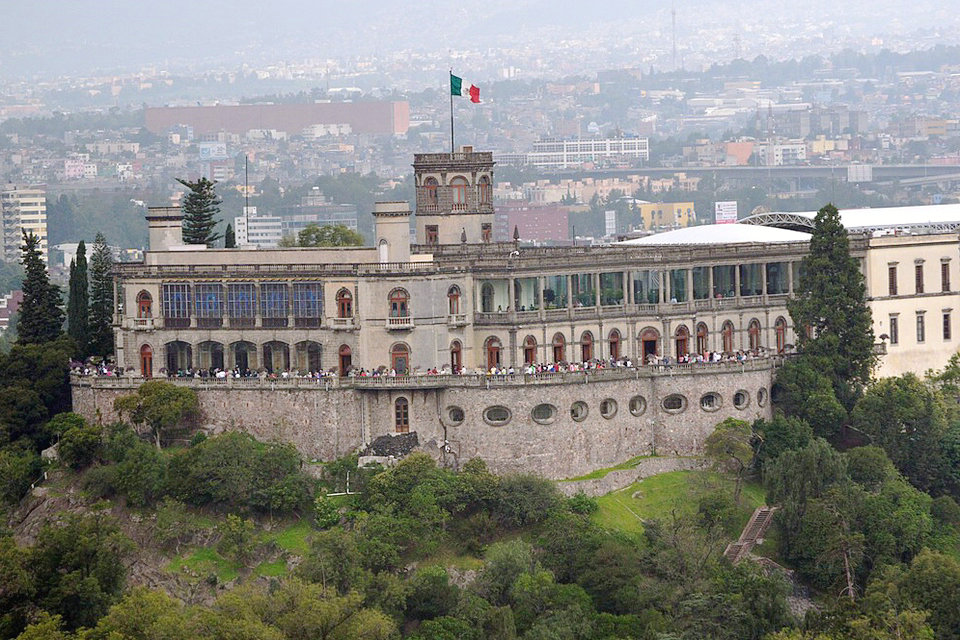
Chapultepec Castle in Mexico City was Charlotte and Max’s preferred residence during their short reign. https://www.hisour.com/

Blaze of Glory

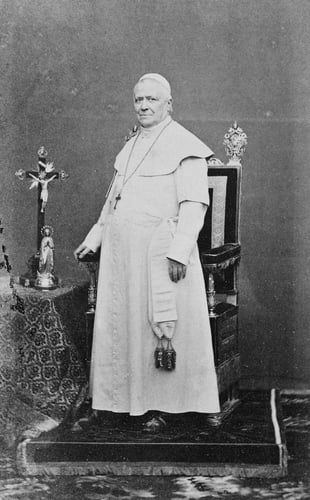
Charlotte’s triumphant return to Europe did not necessarily go to plan, and she found that Napoleon was not willing to change his mind. No doubt, the stress of the long journey across the Atlantic and the fate of her country and husband weighed heavily on her shoulders. The first inkling of danger came in September when Charlotte randomly turned on members of her entourage, accusing them of being thieves, while being uncharacteristically aggressive and frenzied. It was an episode that was over quickly, and the empress did not seem to remember that it ever happened. But tt was important at this time that Charlotte keep her wits together because they were on the way to Rome to meet with the Pope, Plan B should Napoleon refuse to come around. Upon meeting Pope Pius IX, Charlotte immediately told him that she had been poisoned. Much like when she made this claim to Max, she did not back it up with any further explanation. But this time she took things a step further – she stopped drinking or eating, sticking only to foods like nuts and oranges that were theoretically impervious to an assassin’s attempts at poison. What follows is a series of events that I honestly had to read and confirm multiple times due to the sheer absurdity of it:

  • Charlotte wakes up on the morning of September 30th and demands to be driven to the Trevi Fountain so that she can drink out of it (less chance that it’s poisoned)
  • Charlotte demands to be taken to the Vatican to see the Pope and insists on sleeping over so that she is safe (it was a HUGE no-no for women to spend the night at the Vatican)
  • Charlotte gets her way and again tells Pope Pius that she has been poisoned, this time the culprits being either Napoleon himself or his allies. She needs to eat so she has POPE PIUS IX SPOON FEED HER IN THE VATICAN
  • The next day Charlotte leaves the Vatican, returns to her hotel, and locks herself in her room for 5 days with only her maid, who has to kill and cook all of their food in front of her in their room
  • Charlotte spends those 5 days constantly talking and pacing and sleeping very little

As you can imagine, those around Charlotte were concerned and horrified. Before their eyes, the Empress of Mexico was wasting away both physically and mentally, and nothing they could say or do could convince her that she was not being poisoned. In fact, the more her faithful servants tried to intervene, the more Charlotte accused them of being her enemy. Out of desperation they turned to Charlotte’s brother Philippe (their oldest brother, King Leopold II of Belgium, could not be bothered to tend to the situation), who arrived to find his sister looking sickly but acting pretty normal compared to the reports he had been given. But this reality was shortly shattered as Philippe began to witness the nightmare his sister was living–- she refused to sleep, began again to name new suspects that were poisoning her (this time including her own husband and Philippe himself) and even escaped her lodgings without wearing a hat or gloves! The scandal!!  Europe’s elite were beside themselves as the gossip circulated describing Charlotte’s breakdown on top of her husband’s declining (and possibly dangerous) position in Mexico.

When word finally reached Max of his wife’s condition he was determined to leave Mexico and join her. He even got as far as the port where his ship would depart when he was convinced by his councillors, many of them shady characters probably working for the U.S. and/or Juárez, to stay and finish his job. It was a fateful decision and one that Emperor Maximilian of Mexico no doubt regretted as he faced a firing squad on June 19, 1867. Across the ocean, Charlotte was kept in the dark about the devastating events in Mexico. She was trapped in a prison of her own, and it would take all the influence of her royal family to set her free.


References

“Emperor of MEXICO EXECUTED.” History.com, A&E Television Networks, 3 Mar. 2010, http://www.history.com/this-day-in-history/emperor-of-mexico-executed.

Haslip, Joan. The Crown of Mexico; Maximilian and His Empress Carlota. Holt, Rinehart and Winston, 1976.

Michel. The Empress of Farewells: The Story of CHARLOTTE, Empress of Mexico. Atlantic Monthly Press, 2002.

Smith, Gene. Maximilian and CARLOTA: A Tale of Romance and Tragedy. Wm. Morrow & Co., 1973.

The People’s Podcast: Princess Diana

You know Princess Diana’s story, the clothes she wore, and her tragic fate. You might even know about her struggles with mental illness. But you’ve never heard about Diana like this: through the lens of neuroscience. This month, we get vulnerable and discuss how Princess Di changed the way the world thinks and talks about mental health. Thanks for joining us and remember to subscribe and leave a review on your podcast platform of choice!


One In a Brazillian


For our loyal readers who also listen to our podcast (and if you don’t, what are you doing??), I have in fact learned what century the French Revolution began – it’s the late 18th century! And it turns out that the French Revolution had serious repercussions for Queen Maria I of Portugal and her country. Like many of the historical events we cover here at ULTC, the origins and fallout of France’s revolution were complex. With the fall of the monarchy, there rose a new and powerful leader, Napoleon Bonaparte, and his biggest threat was England. This was bad news for Portugal, who had a significant relationship with the Brits. In 1807, Napoleon sent demands to Portugal – revoke England’s access to your ports or we are coming for you. Because Maria was incapable of ruling by this time, the impossible decision was thrown into the lap of her son João . His choices were to a) fold to the French and alienate the greatest naval power in the world or b) side with the British and face the wrath of Napoleon and his army. It was an impossible decision for any ruler, much less one who was technically only filling in for his mother.

Shameless plug to check out our Podcast (available on Apple, Spotify, Anchor, etc.). Episode 2 dropping next week!

The Great Escape

Ultimately, at the behest of his council, João chose to take England’s side, and Portugal braced itself for the consequences. Napoleon stayed true to his word and in 1808, mobilized his forces against his new enemy. The Portuguese royal family members were like sitting ducks in Lisbon and they were again faced with two options: run or surrender. And surrendering is for LOSERS. So naturally, João chose to run. Only the real heroes run away and let defenseless people fend for themselves.  But where could they go? The answer lay across the ocean in Portugal’s South American colony – Brazil. Ever wonder why Brazil speaks Portuguese and not Spanish like its neighbors? (Ok well I always wondered…) Much like the relationship between England and its American colonies, Portugal had claimed Brazil in 1500 and reaped the benefits of exporting Brazil’s raw materials to other parts of the world. The pros: it was loyal to Portugal and far enough away to deter the French from following them. The cons: no one in the Portuguese royal family had actually visited Brazil in the three centuries since it was discovered. It was a huge leap of faith to pack up and move Portugal’s entire royal court (yes, all of the nobility were going along for the ride as well!) to a place they had never actually seen. But the alternative was worse.

And so, in November of 1807, Maria, João and his family, and between 10,000 and 15,000 members of the Portuguese court loaded themselves and all of their belongings onto ships to be escorted across the Atlantic by the British. It’s not clear whether or not Maria fully understood the situation at hand, as she initially refused to board the ship and had to be carried on. And not a moment too soon! In a scene straight out of the movies, Napoleon’s army entered Lisbon as the ships left the docks, ferrying Maria and her family to safety and leaving the rest of Portugal’s citizens to fend for themselves.

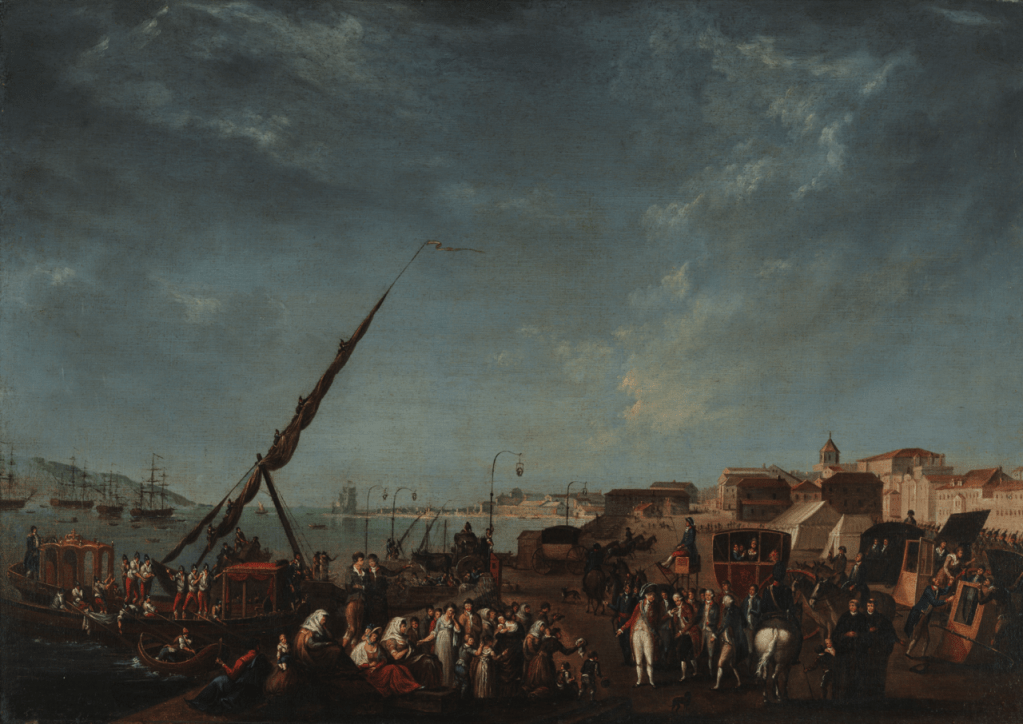
A 19th century painting of the chaos on the docks of Lisbon as thousands of wealthy Portuguese scrambled to gather their belongings and board ships headed to Brazil. Wikipedia.com.

Help Me, I’m Poor

For those headed to Brazil, it would not be smooth sailing (see what I did there….) There was no guarantee that they would make it to their destination alive as they battled storms, disease, hunger, dehydration, and Captain Jack Sparrow. Ok fine, not Captain Jack Sparrow BUT there was a real threat of being attacked by other, lesser hot pirates. The danger for Queen Maria was even greater as she began her journey already in poor health and in her 70’s. So it’s not surprising that when the ships arrived at their destination, Maria was a little worse for wear. Much like she was carried onto the ship, she was also carried off. Reports at the time described her as having “an uncertain look of idiocy and senility” (Gomes) as she emerged – an uncouth way of saying that her advanced age and lack of awareness of the situation, as a result of her mental condition, was evident to those witnessing her arrival. Maria was immediately moved into a convent, which would be her home for the remainder of her life. 

Unfortunately, Jack Sparrow lived a good 80 years or so before Maria and her family fled Portugal.

Maria may have held the title of Queen of Portugal when her court arrived in Rio de Janeiro in March of 1808, but it was her son João who held the power (he had officially been named regent in 1799). It was a job which no one envied, as Rio was not prepared to feed, clothe or house thousands of aristocrats and the members of their households. Not to mention the fact that many of these people had fled their homes without money, leaving them to depend on the generosity of the locals (as if the locals really had a choice). Rio de Janeiro may have flown a Portuguese flag, but the arrivals from Lisbon had essentially landed in a foreign country. Everything from the currency to the culture was alien and so João set his sights on modernizing their new home to reflect its new status as the seat of the Portuguese throne. Wealthy locals who willingly gave money and land to the cause were granted titles within the new court and gained the favor of the Prince regent. João quickly went to work to set up everything their new home would need to function – “banks, commerce, courts, currency, factories, hospitals, libraries, roads, schools, a press, and efficient communication” (Gomes). 

Started From the Bottom Now We’re Here

Over the next decade, Rio de Janeiro would come to resemble much more of what we would consider a city these days. It was not glamorous by any means, and compared to the great kingdoms of Europe, was still considered poor and rough around the edges. But, compared to what Maria and her family had arrived to in 1808, it was like night and day. Today, Rio is Brazil’s second most populous city and the arrival of the Portuguese at the beginning of the 19th century no doubt accelerated the city’s journey into the modern world.

There was a saying at this time that Brazil could survive without Portugal, but Portugal couldn’t survive without Brazil. Just by looking at the map and the sheer size of Brazil, it was certainly a blow to Portugal’s economy when they declared independence in 1822. YoutTube.com

In December of 1816, Brazil was promoted from a colony to its own official kingdom, meaning that Maria was now technically Queen of Portugal, Brazil and the Algarves (a region in today’s Portugal, also where Madeleine McCann went missing in 2007). Maria was the first monarch of Brazil, adding to her list of firsts, but she would not hold the title for long. Three months later, in March of 1817, Maria I of Portugal passed away at the age of 81. Her son João officially inherited her crown after 25 years of acting ceremoniously on her behalf. But although Maria died in Brazil, that would not be her final resting place.

Homeward Bound

When the royal family fled from Portugal, those left behind had to face the wrath of Napoleon. A French-run government was established and the remaining Portuguese army was absorbed into the French army. During the span of France’s occupation, “one sixth of the [Portuguese] population perished of hunger, battle or simply fled the country” (Gomes). It was a dismal situation, and I am sure that the Portuguese people would have been disheartened to see the lengths to which Prince Joao went to modernize and improve his new home in Brazil. But good news came in June of 1815 when the great Napoleon and his French army were defeated by the British in the Battle of Waterloo. Despite this victory for England and its allies, it would be another six years before João would reluctantly return to his homeland to take his place as king (he apparently liked living in Brazil and had no desire to return to Portugal). In April of 1821, Joao, the body of his mother Maria, and 4,000 Portuguese-turned-Brazilians began the long journey back across the Atlantic. Those who remained in Brazil included João’s son Pedro. João could see the writing on the wall that Brazil was close to declaring its independence from Portugal, and that exact thing happened in 1822 when Brazil broke off from the mother country and Pedro became Pedro I, Emperor of Brazil. 

A definitive history of the Battle of Waterloo. YouTube.com.

Information on Maria was hard to come by during my research into this Portuguese queen. Despite her mental decline and her inability to rule for the last three decades of her life, Maria’s legacy remains a positive one. Remembered for her religious devotion and her history making status as Portugal’s first female monarch and Brazil’s first ever monarch, it is sad to wonder what else she could have accomplished had biology taken a different course.


References

“Earthquake Takes Heavy Toll on Lisbon.” History.com, A&E Television Networks, 13 Nov. 2009, http://www.history.com/this-day-in-history/earthquake-takes-heavy-toll-on-lisbon.

Gomes, Laurentino, and Andrew Nevins. 1808: The Flight of the EMPEROR: How a Weak Prince, a MAD Queen, and the British Navy Tricked Napoleon and Changed the New World. Lyons Press, an Imprint of Globe Pequot Press, 2013.

“Independence of Brazil.” Encyclopædia Britannica, Encyclopædia Britannica, Inc., http://www.britannica.com/place/Brazil/Independence.

Jenifer Roberts | Published in History Today Volume 57 Issue 12 December 2007. “Portugal’s Mad Queen.” History Today, http://www.historytoday.com/archive/portugal%E2%80%99s-mad-queen.

The Lisbon Earthquake of 1755, lisbonlisboaportugal.com/Lisbon-information/1755-lisbon-earthquake.html.

Peters, Timothy J, and Clive Willis. “Mental Health Issues of Maria I of Portugal and HER Sisters: The Contributions of the Willis Family to the Development of Psychiatry.” History of Psychiatry, vol. 24, no. 3, 2013, pp. 292–307., doi:10.1177/0957154×13482832.

Roberts, Jenifer. Entertaining the Braganzas. Pen & Sword History, 2019.

Living on a Prayer

Lisbon to Me

Despite my aggressively Irish name, my grandmother is 100% Portuguese, so I know a thing or two about Catholic Portuguese queens. Perhaps that’s why I felt particularly sensitive to the tragic demise of Maria when Stefanie introduced me to her story. Maria’s story is the perfect confection of many of the themes we have explored in previous series; the delineation between normal grieving and mental illness; the dangers of inbreeding; the link between infections (in this case measles) and the manifestation of psychiatric symptoms. If you are interested in those topics, I recommend you go back and check out our series that cover them! But today, I want to focus on a topic that was near and dear to Maria and has become the center of modern discussions surrounding her mental health: religion.

When Saul Became Paul

Musings on the neurobiological origins of religious experience began as far back as Hippocrates, and have focused largely on one disease: epilepsy. In 1987, an article was published in Journal of Neurology offering a provocative retrospective diagnosis for Saint Paul, a prominent figure in the New Testament Bible. Saint Paul persecuted followers of Jesus until he experienced a sudden loss of vision and heard the voice of Jesus telling Paul to stop persecuting him and to go seek out one of his disciples. Paul went on to become the most important evangelizer of the early church. The paper argues that Paul’s spiritual experience was actually consistent with temporal lobe epilepsy, which is a type of seizure localized to the part of the brain important for memory formation and auditory processing.

Some theorize that Saint Paul’s sudden blindness and the messages he received from Jesus were the byproduct of a seizure. Wikimedia Commons

And indeed, seizures can often cause visions or other sensory experiences of a religious nature. As we discussed in a previous series, seizures happen when particular regions of the brain have disrupted patterns of electrical signaling. Depending on where the seizure happens, a person could have visual, auditory, motor, or emotional experiences. And interestingly, these sensory experiences can have religious themes, like hearing the voice of God or seeing angels. Studies have found that around 3% of epilepsy patients have religious experiences during, after, or between seizures, with most of these patients having the same temporal lobe epilepsy that has been attributed to Saint Paul.

Russian author Fyodor Dostoyevsky was an epileptic whose seizures had an intense spiritual character. Ever the wordsmith, he wrote about these experiences: “The air was filled with a big noise, and I thought that it had engulfed me. I have really touched God. He came into me myself, yes, God exists, I cried, and I don’t remember anything else. You all, healthy people can’t imagine the happiness which we epileptics feel during the second before our attack. I don’t know if this felicity lasts for seconds, hours, or months, but believe me, for all the joys that life may bring, I would not exchange this one.”

Soul Responsibility

The connection between spirituality and epilepsy has, frankly, been lazily exploited to support the position that religion is a delusion. But clearly not everyone who is religious has seizures, or even has sensory encounters with the divine. In a remarkably balanced review by Orrin Devinsky and George Lai from New York University, the research on epilepsy and religious experiences is synthesized to come to the simple but profound conclusion that there is a neurological basis for religion, not that religion is a symptom of neurological illness. Moreover, Devinsky and Lai point out that religiosity in epileptic patients could alternatively be explained as a reaction to the suffering and isolation caused by their disease; a longing for comfort and meaning.

A change in a person’s religious beliefs as a human reaction to suffering and trauma is a hypothesis that is too often neglected in neuroscience research on spirituality. A study published in June from a group at Harvard looked at patients who reported changes in religiosity following neurosurgery or brain damage. By looking at changes in brain connectivity between the lesioned area of the brain and other regions using MRI, the authors identified the periaqueductal gray matter (PAG) as a region associated with changes in religiosity ratings. The PAG is a brain region that plays important roles in “fear conditioning, pain modulation, and altruistic behavior.” They also point out that this brain circuit is associated with delusions and alien limb syndrome, when someone feels as though one of their extremities is being controlled by someone else. 

A figure from the June 2021 Harvard paper where neurosurgery patients were asked some questions to gauge their religious beliefs (A). Highlighted in red and green were regions of the brain that caused the greatest decreases and increases in spirituality according to the survey, respectively. Ferguson et al, 2021.

In the discussion section they stress that, “our results do not imply that religion is a delusion”, but unfortunately that caveat is not included in the abstract (the short summary that is often the only part of an academic paper that people bother to read). In addition, they fail to consider that a change in self-reported ratings of religiosity could be human reactions to the major life events of having a brain tumor or experiencing traumatic brain injury in the Vietnam War (the two patient populations studied in the paper). I am not arguing that religion should be off-limits to neuroscientific research. However, I would urge neuroscientists to approach the topic with sensitivity and an openness to the possibility that not everything can be explained by biology. 

This has all been a very long way to say that studying religion through a neuroscientific lens is a delicate thing. And as we look at Maria, I want to avoid giving the impression that her religious inclinations were a result of her mental illness. Given how devout she was from her youth, I think it’s more likely that her mental illness distorted her relationship with her faith, making it a source of torment. 

The line between religious fervor and religious mania is thin and, understandably, a sensitive area of debate. As a practicing Catholic and neuroscientist, I appreciate how important it is to respect religious beliefs while at the same time acknowledging that they can be distorted and contribute to mental illness. 

But a problem arises in studying religious mania: who gets to decide what is normal and what is not? Were saints who had visions actually just mentally ill? Are religious communities who practice strict self-denial and even physical penances insane? If you ask my siblings, should I be seeing a therapist because I go to church multiple times a week? This brings up an issue that Stefanie and I have addressed many times on the blog: normal and abnormal are, to some extent, constructs of society. So where does that leave neuroscientists in the quest to understand the biological basis of religion?

Jesus, Take the Wheel

The consensus among medical historians is that Maria (and all of her sisters) suffered from diseases in the major depressive disorder family. This diagnosis explains Maria’s more dramatic symptoms, like the meltdowns she experienced that left her unable to talk or function. But since we previously covered the neurobiology of depression in our Juana series, I want to stick with our theme and zero in on Maria’s unhealthy relationship with religion during her battle with mental illness.

Even before Maria’s mental decline, she had a more fire and brimstone view of God than many Christians do today. Stefanie told us last week that she interpreted tragedies like a devastating earthquake as divine punishment for human sin. After her mental illness emerged, Maria became fixated on the possibility of her damnation and distressed by thoughts of her faith. Her anxiety about the fate of her soul seemed to be a key driver of her depressed mood.

More than your average Catholic guilt, this kind of obsession with the state of one’s soul is known as scrupulosity. According to the National Catholic Register, scrupulosity “involves excessive anxiety about the sinfulness of particular actions.” People struggling with scrupulosity often reconfess the same specific sins, doubting that they can be forgiven, and believe that they have committed mortal sin where none was committed. But scrupulosity isn’t found just within the Catholic church, or within religious institutions in general. Scrupulosity is actually just one form of the better known disease obsessive compulsive disorder (OCD).

Scrupulosity is not extreme piety; it’s a mental illness. The Daily Universe

OCD is more than liking a color coded calendar or spotless kitchen. People with OCD are assailed with an obsessive, unwanted, unpleasant thought. This repetitive thought pattern causes anxiety that can only be relieved by performing certain actions, called compulsions. The obsessive thoughts in cases of scrupulosity usually focus on damnation and sin, and the accompanying compulsions can be praying, reciting scripture, going to confession, or taking on penances. 

Vicious Cycle

A 2019 paper from researchers at the University of Michigan nicely showed neurobiological underpinnings of this disease by comparing MRIs from OCD patients to those of healthy controls. The researchers analyzed results from many previously published studies in which participants performed specific motor tasks that measure something called inhibitory control. In these tasks, participants have to ignore certain stimuli in order to perform a certain action or to stop an action that was already initiated when they see a stop signal. When people made an error on the task, the brain would send a signal to try to correct the motor output. But in OCD patients, the brain network that received this signal didn’t really listen, so the error message became stronger. The overactivity of the error signaling ended up backfiring by making the person more anxious, causing more mistakes, which in turn amplified the error signal even more. 

These results aligned with previous studies that found altered activity in OCD patients in circuits responsible for error processing and inhibitory control. The neural response to errors in these tasks also mirrors the psychiatric symptoms of OCD. Basically, compulsive behaviors trigger an error signal of sorts because these behaviors are often at odds with a person’s goal (think: someone with OCD who compulsively washes their hands but is trying to decorate a cake). However, this error signal is unable to suppress the impulsive behavior and only serves to increase anxiety, leading to more compulsive behavior (for example, because I can’t stop washing my hands, it must be important to be washing my hands).

A schematic illustrating how overactive error responses and underachieve inhibitory control contribute to OCD symptoms. Norman et al, 2018

Correcting this impaired neural communication is the target of experimental therapies for OCD. Deep brain stimulation (DBS) is a therapy for movement disorders in which an electrode is placed in a target region of the brain to control neural signaling. Think of it like a pacemaker in your brain. DBS has also been explored in the most severe cases of OCD that don’t respond to treatment. Starting in the 1950s, doctors found success in treating OCD patients by performing surgeries in which they damage part of the brain called the cortico-striato-thalamo-cortical circuit (CSTC), which overlaps with the regions of altered signaling identified in the MRI study I mentioned earlier. Surgeons realized that by using DBS, they could control the signaling of the CSTC rather than destroy it, leading to more personalized care. DBS for OCD is still exploratory, and given the few number of patients who would be eligible for an experimental surgery, we are still some years away from a consensus on its use. But as more is understood about the altered communication patterns in the brains of OCD patients, we are inching closer to being able to treat people with this debilitating disease.

Deep brain stimulation has been a game changer for patients with Parkinson’s disease and tremor. Could it help those with OCD? Health Plexus

Spiritual Warfare

Science and religion are often pitted against one another, but the case of Maria I of Portugal highlights how intertwined they really are. Her faith was always an important part of her life, but her struggles with depressive disorders and what I believe was likely OCD took what should have been a source of peace and strength and turned it into her personal hell. We are used to hearing about how disputes over religion changed the course of history, but while Maria’s spiritual warfare was going on inside her mind, it had no less of an effect on the future of Portugal. And as a result, Brazil. Come back next week when Stefanie tells us how.


References

Akin, J. (2014, June 31). 6 Tools for the Scrupulous. Retrieved from https://www.ncregister.com/blog/6-tools-for-the-scrupulous

Devinsky, O., & Lai, G. (2008). Spirituality and Religion in Epilepsy. Epilepsy & Behavior,12(4), 636-643. doi:10.1016/j.yebeh.2007.11.011

Ferguson, M. A., Schaper, F. L., Cohen, A., Siddiqi, S., Merrill, S. M., Nielsen, J. A., . . . Fox, M. D. (2021). A neural circuit for spirituality and religiosity derived from patients with brain lesions. Biological Psychiatry. doi:10.1016/j.biopsych.2021.06.016

Kahn, L., Sutton, B., Winston, H. R., Abosch, A., Thompson, J. A., & Davis, R. A. (2021). Deep Brain Stimulation for Obsessive-Compulsive Disorder: Real World Experience Post-FDA-Humanitarian Use Device Approval. Frontiers in Psychiatry,12. doi:10.3389/fpsyt.2021.568932

Landsborough, D. (1987). St Paul and temporal lobe epilepsy. Journal of Neurology, Neurosurgery & Psychiatry,50(6), 659-664. doi:10.1136/jnnp.50.6.659

Norman, L. J., Taylor, S. F., Liu, Y., Radua, J., Chye, Y., Wit, S. J., . . . Fitzgerald, K. (2019). Error Processing and Inhibitory Control in Obsessive-Compulsive Disorder: A Meta-analysis Using Statistical Parametric Maps. Biological Psychiatry,85(9), 713-725. doi:10.1016/j.biopsych.2018.11.010

Peters, T. J., & Willis, C. (2013). Mental health issues of Maria I of Portugal and her sisters: The contributions of the Willis family to the development of psychiatry. History of Psychiatry,24(3), 292-307. doi:10.1177/0957154×13482832

Pollard, A. (2010). Scrupulosity. Retrieved from https://iocdf.org/wp-content/uploads/2014/10/IOCDF-Scrupulosity-Fact-Sheet.pdf

Something About Maria


Welcome back friends! We’ve missed you here at Uneasy Lies the Crown. Summer vacation is over and we are back and ready to dive right into our newest royal mystery. This month we are headed to…drum roll please…Portugal! And…..Brazil! 

Our story starts in Portugal in December of 1734. Maria was born in Lisbon to Mariana Victoria (daughter of King Philip V of Spain) and Joseph (the future King Joseph I of Portugal). Unlike the majority of the monarchies that we have studied, Portugal actually didn’t have a law that prevented women from inheriting the throne and so as the oldest of four sisters, Maria was her father’s legal heir. As a child, she was known for her religious piety and constantly feared for the state of not only her own soul, but the souls of those around her. She feared in particular for the fate of her father, who, as we will explore later in this series, may have inadvertently passed his own demons to his daughter and future heir. 

Shook Me All Night Long

One of the most significant events of Maria’s early years was also one of the most significant in Portugal’s history. On November 1, 1755, the people of Lisbon, Portugal were enjoying a nice church holiday – All Saints Day. What they didn’t know is that a catastrophic event was about to change their lives and their city forever. That event was a devastating earthquake which leveled the city, triggering multiple tsunamis and deadly fires. The earthquake and its aftermath killed between 30,000 and 50,000 people (I know that’s a significant discrepancy but it was a long time ago, so the takeaway is that a lot of people died). To the relief of the royal family, they had left Lisbon that same morning for one of their other residences, and narrowly escaped the same tragic fate of their subjects. Maria herself was 20 years old at the time, impressionable and devoted to her religion. Like many people in the church, she viewed the earthquake as a punishment from God for the peoples’ sins. This belief in punitive divine intervention grew throughout Maria’s life and was manipulated by those around her to exacerbate her fears during her most vulnerable years. 

The 1755 Lisbon earthquake brought chaos and destruction to Portugal’s capital. theconversation.com.

We Are Family

As the heir to the throne, it was imperative that a suitable husband was found for Maria, and Portuguese law greatly restricted the princess’s ability to marry outside of the Portueguese aristocracy. This is probably one of the reasons that Maria wasn’t married until the age of 25, an old age to still be single in those days (can’t even imagine what they would think of my current relationship status). Finally, a suitable match was found for the future queen, and I just have to say that Portugal and I have very different definitions of “suitable”, because Maria’s husband-to-be was her father’s brother, Pedro. As in, her uncle. Yea, I would rather be single, thanks. When Maria eventually took the throne, Pedro took the title Peter III as king consort, the “consort” part being significant because it meant that he was not the King of Portugal in his own right, nor did he have any authority as king. Think England’s Queen Elizabeth and her late husband Prince Philip, as he was never given the title or authority of king.

Is it just me or do they even look like they are related?…wikipedia.com.

Despite the creepy origins of their relationship, Maria and Pedro seemed to have a strong and productive marriage. In 1761, Maria gave birth to her first son, Jose. Over the next 15 years gave birth to seven children in total, although only two boys and a girl survived past the age of two. Maria was in her 40s when her last child was born, an impressive feat in any time period, but sadly the child died after only a month. Nevertheless, she had done her duty and produced an “heir and a spare” as they say. And as we will see, her younger son Joao would have a significant role in Portuguese history.

Public Enemy #1

Any royal story is not complete without the addition of a villain who got a little too big for his britches. This story’s villain, at least as he was viewed by our protagonist Maria, was Sebastião José de Carvalho e Melo, or the Marquis de Pombal (“Pombal” for short)  as he is known to history. Pombal had spent years working his way up through government positions but his big break came when he became a minister to Maria’s father Joseph. He was key in rebuilding Lisbon after the 1755 earthquake, and his power and influence only grew from there. For the span of King Joseph’s 27 year reign, Pombal seemingly held the reins and called the shots when it came to government reforms. Maria genuinely disliked the Marquis, due largely to the fact that much of the stress and anxiety she experienced in her younger years were results of Pombal’s continuous clashes with the Catholic Church. Pombal spearheaded a campaign to banish all Jesuit priests from court, including those who were near and dear to Maria’s heart. Following a failed assassination attempt on King Joseph, Pombal took advantage of the opportunity and pinned the crime on a group of innocent Jesuit nobles and priests – people that Maria knew and cared for. The group was executed, and it was something that haunted Maria for the rest of her life. Those around her could tell the terrible toll it had taken on the princess as “writers of the time refer to Maria’s expression of melancholy and it was public knowledge that her mind was deeply impressed with the tragic catastrophe” (Entertaining the Braganzas). To make matters worse, Maria was not sure how much of the decision making had been her own father’s and how much was the puppet master Pombal. Either way, the Marquis had made an enemy out of the future queen, and his fall from power was mighty indeed when King Joseph died in 1777.

The Marquis de Pombal pointing to the city he helped rebuild in the aftermath of the 1755 earthquake. portugalvisitor.com.

When Maria ascended to the throne, one of her first acts as Queen was to remove Pombal from his seat of power and surround herself with people she actually trusted. This included her mother, Mariana, who was a powerful and influential woman in her own right. It also included her husband Pedro, who was now officially the “king consort”. With the exception of a case of measles mere months into the beginning of Maria’s reign, her first three years wearing the crown went well. But in 1780, both her mother and her husband fell ill, instigating Maria’s first breakdown – an episode of “delirium” that would give an unfortunate sneak preview into the latter half of her life.

A Series of Unfortunate Events

The year of 1786 brought tragedy after tragedy to Maria – loss that would have affected even the strongest of minds. In May, Maria’s husband Pedro passed away, and four months later their beloved oldest son Jose died of smallpox. As if that wasn’t enough, her daughter Mariana died of the same disease a few months later. Mariana had just given birth to a son and Maria’s newborn grandson succumbed to smallpox as well when he was less than a week old. It was a devastating series of events that also included the death of Maria’s son-in-law (Mariana’s husband) and Mariana’s father-in-law King Charles III of Spain. In a final crushing blow, Queen Maria’s trusted confessor whom she had relied on for decades also passed away. 

Not surprising in the least, Maria fell into a deep depression. By 1791, things had not improved, and it was at this point that Maria’s troubles began to interfere with her execution of duties as queen. In February of 1792, Maria was attending the opera when with seemingly no warning, Maria became so severely agitated that she had to eventually be carried out of the opera house as she screamed and yelled. It must have been a startling sight for those in attendance to see their beloved queen in such distress. And her condition only worsened from there. For weeks Maria experienced shocking physical and emotional fluctuations – extreme excitability, refusal to eat, refusal to take medicine or listen to music, fatigue, inability to sleep and incoherent speech. Maria’s doctors were desperate for answers and so they looked for help outside of Portugal.

How Do You Solve A Problem Like Maria?

If you are an avid follower of ULTC (we love you), then you will remember our friend King George III of England, who suffered from what Riley theorizes was either porphyria or bipolar disorder. George sat on the English throne at the same time that Maria wore the Portuguese crown, and Maria’s doctors were aware of the apparent “success” that George’s physician had experienced while treating him. And so they made a desperate plea and paid an enormous sum (1 million pounds in today’s currency) for George III’s doctor, Francis Willis, to travel to Portugal and work his same magic on Queen Maria. But if Dr. Willis thought George was a formidable patient, then he was probably not prepared for Maria. And unfortunately for the queen, the British doctor turned to his usual playbook of “cures” for madness. This included “the straitjacket, coercion, blistering, and ice baths” (Portugal’s Mad Queen). It was enough to drive any sane person to the brink and Maria withstood it all as she insisted that her issues were punishments from God as opposed to some unidentified illness. Whatever it was that afflicted Maria, for those of us who are looking back on Francis Willis and his treatments, it is obvious that his time in Portugal was not going to improve Maria’s condition. He eventually left England, unsuccessful in his quest to cure Maria.

This was the type of treatment Maria would have received. Wow, can’t imagine why it didn’t work!! abc.net.au.

The Reluctant Replacement

The reality of Maria’s condition began to set in and it was clear that her time as a true reigning queen was coming to an end. But as long as she was alive, the title was rightfully hers, meaning that it was time to turn to our trusty friend – the regency. As we’ve seen throughout the many stories we have covered at ULTC, when an opportunity for a regency presented itself, people close to the monarch chomped at the bit for a chance to sit on the symbolic throne. In Portugal’s case, the logical choice for regent was Maria’s oldest surviving son Joao (also referred to as John), who was 25. But unlike many who were offered the opportunity, Joao was not keen on being named his mother’s official regent. Although he refused to carry the title “regent” for many years, Joao began stepping in officially for Maria in 1792. It was a hell of a time to have to step up. France was in the throes of the Revolution that would end its monarchy forever – and its European neighbors would not be able to escape the consequences. As France’s new emperor Napoleon Bonaparte went to war with England, Portugal suddenly found itself as the little guy stuck in the middle. And soon Joao and the Portugeuse royal family would receive an ultimatum that would change the future of more than one country.

Queen Maria was born and raised in Portugal, but it would not be where she would die. How did it happen that at the age of 74, Maria found herself across the Atlantic in the foreign world of Brazil? That’s a secret I’ll never tell. XOXO, Gossi…..just kidding, see you back in a couple of weeks!


References

“Earthquake Takes Heavy Toll on Lisbon.” History.com, A&E Television Networks, 13 Nov. 2009, http://www.history.com/this-day-in-history/earthquake-takes-heavy-toll-on-lisbon.

Jenifer Roberts | Published in History Today Volume 57 Issue 12 December 2007. “Portugal’s Mad Queen.” History Today, http://www.historytoday.com/archive/portugal%E2%80%99s-mad-queen.

The Lisbon Earthquake of 1755, lisbonlisboaportugal.com/Lisbon-information/1755-lisbon-earthquake.html.

Peters, Timothy J, and Clive Willis. “Mental Health Issues of Maria I of Portugal and HER Sisters: The Contributions of the Willis Family to the Development of Psychiatry.” History of Psychiatry, vol. 24, no. 3, 2013, pp. 292–307., doi:10.1177/0957154×13482832.

Roberts, Jenifer. Entertaining the Braganzas. Pen & Sword History, 2019.