This month, we are allegedly covering Prince Henrik and the Danish royal family! If you make it through all of the Prince Harry content at the beginning, you can learn about the strained marriage between Denmark’s Queen Margrethe II and Prince Henrik and how the royal family tried to blame it on a dementia diagnosis. Then Riley gets in her bag to teach us about the neurobiology of Alzheimer’s disease and give us the scoop behind the newest FDA-approved drug and a recent scandal in the Alzheimer’s research world.
Plus: Stefanie talks about Spare while Riley vehemently shakes her head. Uneasy lie the follicles on Prince Harry’s crown. Why did Disney disrespect John Rolfe so hard? Google thinks Chris Hemsworth is a royal. We take you to Tau Town.
Thanks for joining us and remember to subscribe and leave a review on your podcast platform of choice!
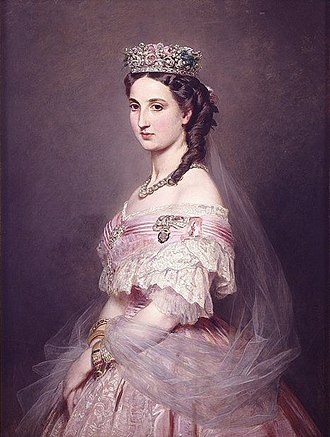
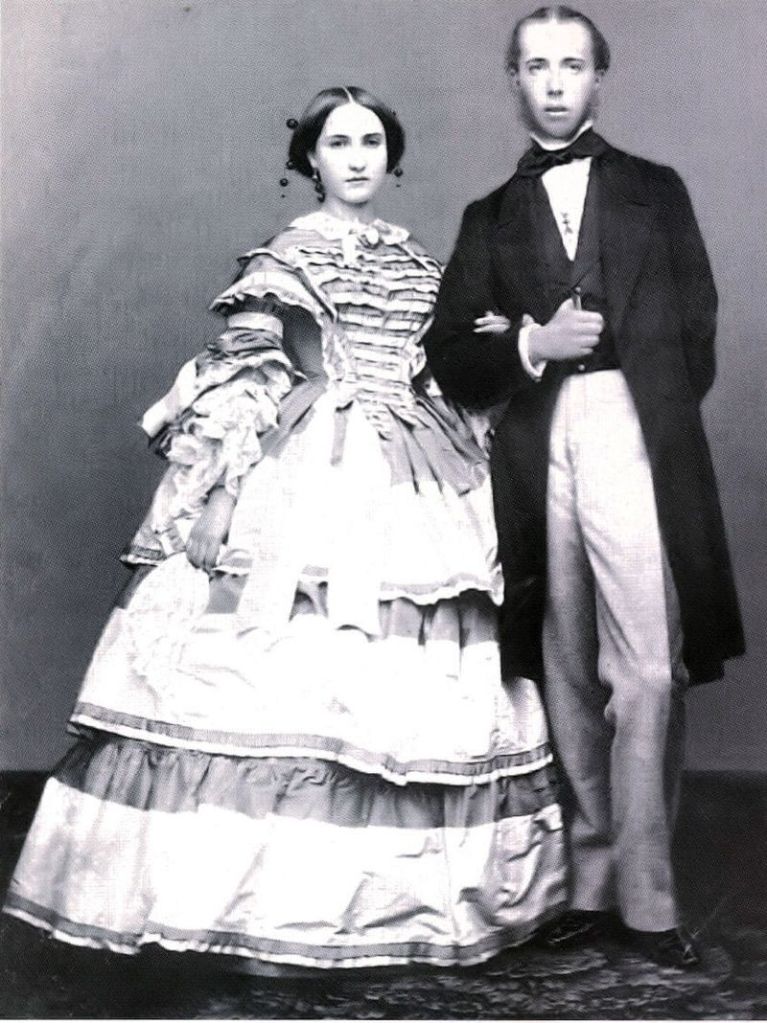
Charlotte (aka Carlota), Archduchess of Austria, Empress of Mexico from 1864-1867
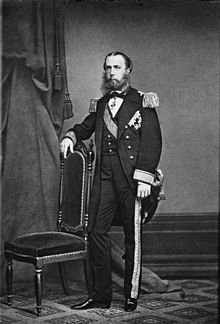
Maximilian, Archduke of Austria, Emperor of Mexico from 1864-1867
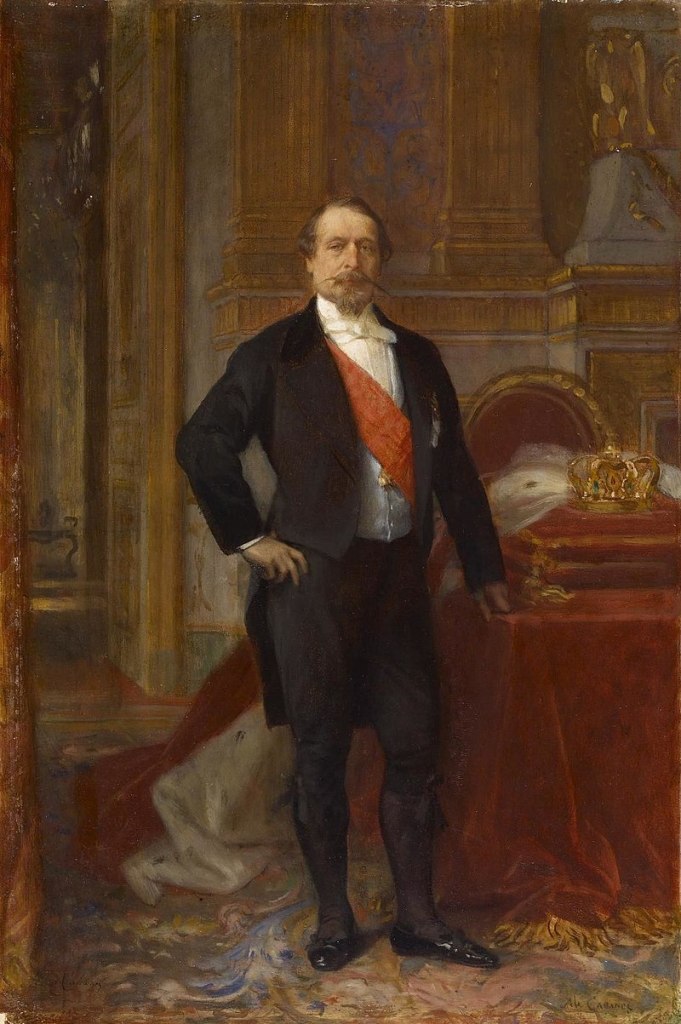
Napoleon III, Emperor of France from 1852-1870
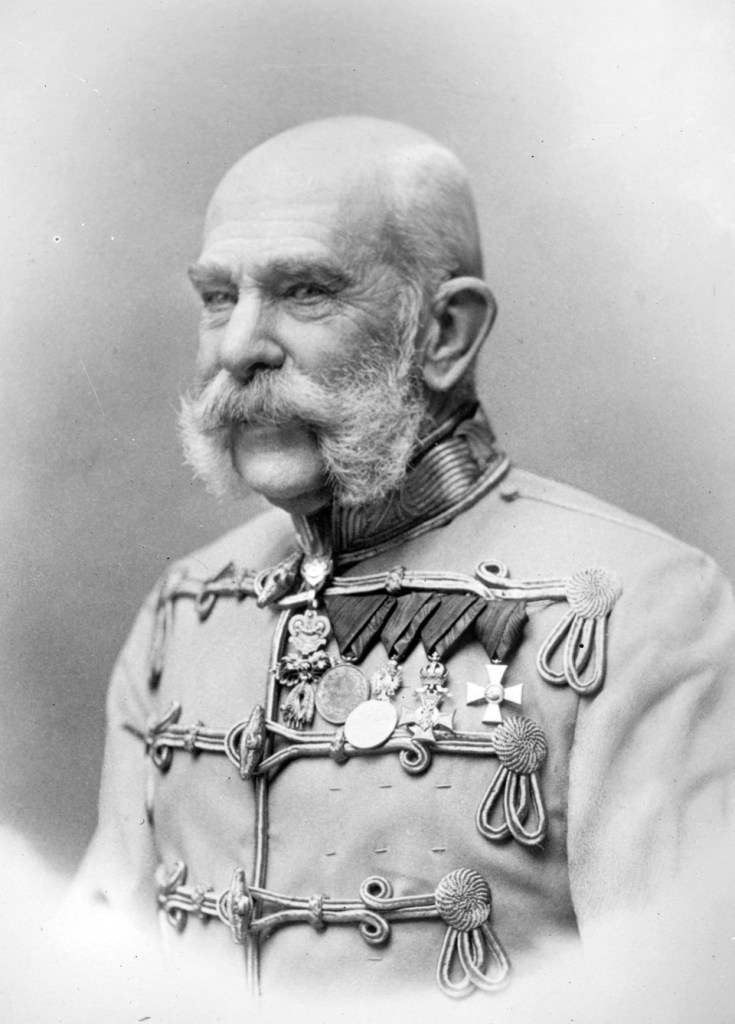
Franz Joseph I, Emperor of Austria from 1848-1916, Brother of Max
Benito Juárez, President of Mexico from 1868-1872
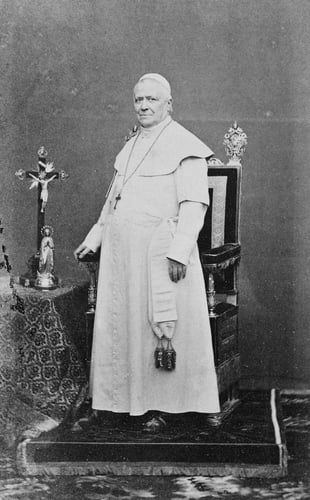
Pope Pius IX, Head of the Catholic Church from 1846-1878
For those of you loyal readers who joined us for last month’s series on Maria I, a tale that took us from Portugal to Brazil, Charlotte’s story may seem similar on the surface: a royal family from Europe travels across the Atlantic to take up residence and a throne in South America (or North America in this case) without any prior knowledge of the land or people. For Maria, her mental difficulties began before she and her family were chased out of Portugal by the French, and she died in Brazil never having recovered. For Charlotte, her experience was much different, and she undertook her journey with the utmost excitement and hope – which made how it ended that much more devastating.
You Get a Crown and You Get a Crown…
Before our protagonist was known by the Spanish styling of her name, Carlota, she was born on June 7, 1840 as Charlotte, Princess of Belgium. She came from impressive stock as the daughter of King Leopold I of Belgium and Louise of Orleans (the daughter of France’s last king, Louis-Philippe). Belgium had only been granted its independence in 1830 with the thumbs up from Europe’s most powerful monarchs. They decided that Belgium would have a monarchy and a monarchy needed a king, but who could they trust with that power? So wait, they were just handing kingdoms out?? Leopold, who was in the market for a crown (he had previously been offered Greece but turned it down), fit the bill – he was related to England’s queen and was married to the King of France’s daughter. Not surprisingly, England and France’s opinions carried the most weight and they approved Leopold, creating Europe’s newest royal family.
Charlotte’s status seemed to take a further step up when she married Archduke Maximilian of Austria when she was 17, a member of the royal Habsburg family – you know, the ones known for their giant chins as a result of years of inbreeding. Charlotte’s marriage transformed her into an Archduchess (the title the Habsburgs started to use to display a status of not quite “emperor” but more than a “duke”). Maximilian’s older brother, Franz Joseph was the Emperor of Austria, which should have been a sweet family alliance to have in your back pocket. As we will see, their relationship turned out to be more of a curse than a blessing. For the first years of their marriage Charlotte and her husband enjoyed the status that their positions offered. Then in 1861 they were presented with the chance for a crown of their own – in Mexico. But why Mexico? Let’s get a brief rundown:
Mexico becomes independent from Spain in 1821, forms its own empire and crowns Emperor Iturbide
Iturbide is assassinated in 1824
Mexico experiences decades of unrest amidst lack of leadership
Benito Juárez gains political prominence in the 1850s as Mexico’s Republican leader
France wants to be paid back for the massive loans it has given Mexico, but Juárez is not interested – France is now pissed and wants him gone
France fights Mexico, and Mexico wins an underdog battle for the ages at the Battle of Puebla on May 5, 1862. News flash: Cinco de Mayo isn’t just a day for drinking margs. It is actually a Mexican holiday celebrating this historic win!
France’s solution? Kick Juárez out, create a new empire, and put a European ally on the throne
The allies? Charlotte and Max – a couple loyal to France, with a royal background and time on their hands
Charlotte serving absolute LEWKS. Max was a lucky guy in my opinion *sips tea*. https://en.wikipedia.org/
And speaking of France, much like last month’s story of Portugal and Brazil, our story of Mexico also involves France and Napoleon, this time Napoleon III (nephew of the OG Napoleon Bonaparte). It was ultimately up to Napoleon to approve the plan to put Charlotte and Max on the Mexican throne, which he did. Charlotte and Max knew pretty much nothing about Mexico when they were approached with the idea to form a new Empire, but the Mexican exiles in Europe who were pitching the idea were great salesmen. They essentially told Charlotte and her husband that the Mexican people were not only in favor of the new monarchy, but were dying in anticipation of their arrival. Obviously an exaggeration, but one that made the Archduke and Archduchess more determined to accept the proposal. They agreed to be the next Emperor and Empress of Mexico, but they would have to make substantial sacrifices in order to do so.
No Risk It, No Biscuit
Shockingly, not everyone thought it was a good idea. Charlotte’s grandmother was even quoted as saying “they will be assassinated” (Michael) upon hearing the news – spoiler alert perhaps?? And remember Max’s older brother Franz Joseph, Emperor of Austria, who seemed handy to have in the family? Well, Franz Joseph was not as crazy about the Mexico plan as his little brother was, declaring that if Max were to accept this new position he would lose his title of Archduke of Austria, and worse, his place in line to the Austrian throne. Essentially, Max would have no place in the Austrian royal family if things in Mexico were to crash and burn and he would need to return to Europe. It was an impossible decision, not least because Max and Charlotte knew that nothing was guaranteed when it came to the future of their new empire. And to top it off, there was the United States. The U.S. was nearing the end of the Civil War, and those in favor of the Mexico plan in Europe had been hoping for a Southern victory, as the South seemed more willing to acknowledge a new European monarchy. Unfortunately for Max and Charlotte, this was not to be, and “the House of Representatives unanimously voted in favor of a bill opposing the recognition of a monarchy in Mexico” (Michael). However, the worldwide opposition to the new Mexican empire did not deter its future emperor and empress. Ultimately, Max and Charlotte were unable to change Franz’s mind, ignored the pleas of their family and friends and accepted the terms, sailing to Mexico in April of 1864.
Charlotte was 24 years old when she and her husband arrived in this foreign world that was to be their new home. There was a massive amount of work to do to set up the fledgling empire from scratch, and Charlotte, now known as Carlota to her Mexican subjects, was given the chance early on to shine as empress. Max had a habit of taking trips, official or otherwise, without his wife (just one of many habits that contributed to the rumor mill surrounding their marriage), and Charlotte found herself alone in the capital with not much direction on how to run things. Nevertheless, the empress was a natural leader and took on a pseudo-regent role in Max’s absence. In fact, there were many in Mexico and in Europe who whispered that Charlotte was really the one calling the shots. The whispers did not go unnoticed by Max, who slowly pushed his wife out of the inner circle as a result. Just another example of the fragile male ego! To make things worse, Charlotte and Max still had no children after seven years of marriage, and here at ULTC, we know how important heirs were to even the most established monarchies. How would Charlotte and Max’s dynasty survive if there were no children to step in when they were gone?
A little look-see into what was happening on the North American continent when Charlotte and Max arrived at their new home. omniatlas.com
Ice Queen
Max’s solution was not the obvious one – instead of making an effort with his wife, he opted for adoption. We saw this practice in our series on Caligula and the Roman Empire, but it is one that I was not aware of among more modern European monarchies. Max’s chosen heir was a toddler named Augustin Iturbide, a descendent of the Mexican Emperor Iturbide who had been assassinated in 1824. The boy’s family was not really given a choice in the matter and neither was Charlotte. There is no denying that Max and Charlotte loved each other, as evidenced by the hundreds of passionate letters they exchanged whenever they were separated. But for whatever reason (Max was impotent, Max was gay, he was interested in other women, you know the drill…) they slept in separate bedrooms and Charlotte was forced to welcome this child that was not truly hers. This embarrassment, as well as being pushed out of the “inner circle” and often being left behind by Max, led to many around Charlotte to notice a change in her demeanor. In his biography of the empress, Prince Michael of Greece (current author and first cousin of the late Prince Philip) claims that she “became haughty, even harsh, and particularly demanding in matters of protocol…Pain had transformed her personality, turning it to ice”. Yikes. But tbh who could blame her – she was young, beautiful, smart, and a capable leader with a lot to offer Mexico, and all of it seemed to be going to waste.
Fairweather France
Unfortunately for Charlotte and Max, lack of an heir was not their biggest problem. When the new rulers had agreed to the Mexican crown they knew that the problem of Benito Juárez and his supporters would not necessarily disappear. Napoleon III had agreed to leave their troops in Mexico to keep out the rebels and prop up the new monarchy, but France was losing interest in the Mexican project as it proved to be an expensive and messy venture. Turns out, Juárez was not going to leave Mexico without a fight. Charlotte and Max were in desperate need of support for their cause, so the empress set out on a grueling one month tour of their empire at the end of 1865. Not surprisingly, Charlotte got sick soon after her return, but what was most concerning was her own diagnosis of her condition – she had been poisoned! It would be far from the last time that Charlotte would make this claim, but at this point, her lack of evidence was a cause for head scratching.
As has been the case with most of our subjects, bad news is often followed by more bad news. Over the next few months Charlotte’s father King Leopold and her grandmother both passed away. Meanwhile, it became more and more clear that the French intended to recall their troops from Mexico, which was essentially a death sentence for the Mexican empire since they had no formidable army of their own. It was a desperate situation that did not improve Charlotte’s loneliness and depression. But Max was the one who reacted irrationally (shocker). In the summer of 1866, Max announced he was going to abdicate and give up the throne since there was no hope without France’s support. Charlotte wasn’t having it. She convinced her husband to change his mind and declared that she would put the team on her back, return to Europe to meet with Napoleon herself, and secure France’s military. Just as she had left for Mexico with the highest of hopes, Empress Charlotte headed back to Europe with the confidence that she could fulfill her mission and return successfully to her adopted home. But Charlotte would never again see Mexico – in fact, her troubles were only just beginning. What would happen over the next several months continues to confuse and confound historians today (including this one), as Charlotte seemed to change from a capable and intelligent young woman to an unhinged and delusional girl in the blink of an eye.
Chapultepec Castle in Mexico City was Charlotte and Max’s preferred residence during their short reign. https://www.hisour.com/
Blaze of Glory
Charlotte’s triumphant return to Europe did not necessarily go to plan, and she found that Napoleon was not willing to change his mind. No doubt, the stress of the long journey across the Atlantic and the fate of her country and husband weighed heavily on her shoulders. The first inkling of danger came in September when Charlotte randomly turned on members of her entourage, accusing them of being thieves, while being uncharacteristically aggressive and frenzied. It was an episode that was over quickly, and the empress did not seem to remember that it ever happened. But tt was important at this time that Charlotte keep her wits together because they were on the way to Rome to meet with the Pope, Plan B should Napoleon refuse to come around. Upon meeting Pope Pius IX, Charlotte immediately told him that she had been poisoned. Much like when she made this claim to Max, she did not back it up with any further explanation. But this time she took things a step further – she stopped drinking or eating, sticking only to foods like nuts and oranges that were theoretically impervious to an assassin’s attempts at poison. What follows is a series of events that I honestly had to read and confirm multiple times due to the sheer absurdity of it:
Charlotte wakes up on the morning of September 30th and demands to be driven to the Trevi Fountain so that she can drink out of it (less chance that it’s poisoned)
Charlotte demands to be taken to the Vatican to see the Pope and insists on sleeping over so that she is safe (it was a HUGE no-no for women to spend the night at the Vatican)
Charlotte gets her way and again tells Pope Pius that she has been poisoned, this time the culprits being either Napoleon himself or his allies. She needs to eat so she has POPE PIUS IX SPOON FEED HER IN THE VATICAN
The next day Charlotte leaves the Vatican, returns to her hotel, and locks herself in her room for 5 days with only her maid, who has to kill and cook all of their food in front of her in their room
Charlotte spends those 5 days constantly talking and pacing and sleeping very little
As you can imagine, those around Charlotte were concerned and horrified. Before their eyes, the Empress of Mexico was wasting away both physically and mentally, and nothing they could say or do could convince her that she was not being poisoned. In fact, the more her faithful servants tried to intervene, the more Charlotte accused them of being her enemy. Out of desperation they turned to Charlotte’s brother Philippe (their oldest brother, King Leopold II of Belgium, could not be bothered to tend to the situation), who arrived to find his sister looking sickly but acting pretty normal compared to the reports he had been given. But this reality was shortly shattered as Philippe began to witness the nightmare his sister was living–- she refused to sleep, began again to name new suspects that were poisoning her (this time including her own husband and Philippe himself) and even escaped her lodgings without wearing a hat or gloves! The scandal!! Europe’s elite were beside themselves as the gossip circulated describing Charlotte’s breakdown on top of her husband’s declining (and possibly dangerous) position in Mexico.
When word finally reached Max of his wife’s condition he was determined to leave Mexico and join her. He even got as far as the port where his ship would depart when he was convinced by his councillors, many of them shady characters probably working for the U.S. and/or Juárez, to stay and finish his job. It was a fateful decision and one that Emperor Maximilian of Mexico no doubt regretted as he faced a firing squad on June 19, 1867. Across the ocean, Charlotte was kept in the dark about the devastating events in Mexico. She was trapped in a prison of her own, and it would take all the influence of her royal family to set her free.
While it’s technically our summer break, we’ve been doing anything but taking it easy. Big and exciting things have been going on behind the scenes at ULTC, and we are so excited to share one of them with you today: we’re starting a podcast!
Our readers have been asking us for a long time now to convert our content into an audio format. So starting next week, on the last Friday of every month, we will be breaking down one of series on the pod. Our episodes will have all of the history, science, and pop culture references that you love but with the fun of a conversation between two sisters. And don’t worry: the podcast won’t be replacing our blog posts. In fact, we are in the books right now researching a brand new series for you.
Our new chapter comes with a whole new look! Jackson Roy
We released our trailer this morning, along with our brand new artwork by Jackson Roy and amazing theme song by Jared Cunningham. Check it out and make sure to subscribe before the first episode debuts next week!
Otto von Bismarck, Prime Minister of Prussia, First Chancellor of Germany
Bernhard von Gudden, “Psychiatrist”, Ludwig II’s Doctor
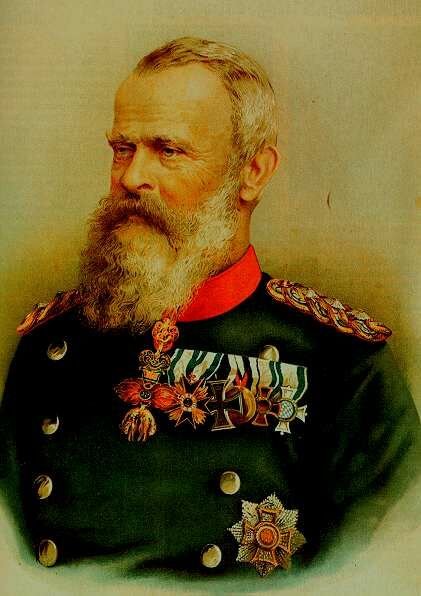
Luitpold, Prince Regent of Bavaria, Uncle of Ludwig II
Otto of Bavaria, Broher of Ludwig II
King of Prussia, First German Emperor
Surprise! This month we are changing things up a bit and hitting you with a double dose of history before diving into the mind and “madness” of Ludwig with Riley. Couldn’t leave you on the edge of your seat for too long after last week’s cliffhanger!
Clash of the Titans
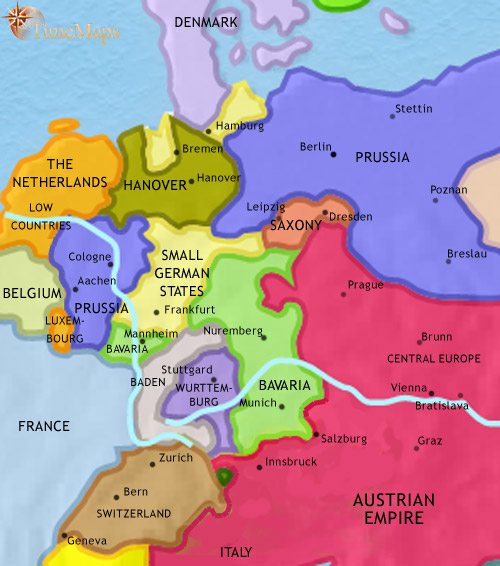
To understand why Ludwig II was removed from his throne and found dead within a week, we must first understand how he managed to royally piss off his government ministers and fellow noblemen. Ludwig was handed the crown during a difficult and contentious period of history in Europe. Clear leaders in terms of size and strength had emerged out of the German states by the second half of the 19th century. When Ludwig became king, Prussia and Austria were ranked one and two respectively. Ludwig’s Bavaria was in third, and inevitably this meant that if (and when) the big guns butted heads, they would be expecting Bavaria to choose a side. In 1866, this is exactly what happened. Otto von Bismarck was the prime minister of Prussia, and he had his sights set on a unified Germany with Prussia at the helm. Austria was not here for it. The fighters were entering their corners.
While Prussia was puffing its chest, ready to blow all the little pigs’ houses down, Bismarck was busy sweet-talking Ludwig into joining his team. Ludwig responded in the only reasonable manner as the sovereign of a country at the brink of being sucked into war – he ran and hid. The Bavarian king absolutely hated the idea of going to war against fellow Germans and so he did the most un-Swan Knight thing possible by avoiding his duty and leaving his government ministers to try to track him down at one of his many castles. Throughout his life Ludwig made a habit of distancing himself from Munich, the Bavarian capital, any time there was a conflict he wanted to avoid. But Ludwig’s advisors needed an answer ASAP, because Bismarck was pressing Bavaria hard to join him in the impending war against Austria. Ludwig’s disappearing act during this critical moment did not instill any confidence in him as a leader.
Eventually the decision was made for Ludwig when Prussia declared war on Bavaria. The sides were set – Prussia, Italy (don’t ask) and some smaller German states on one side and Austria, Bavaria and additional smaller German states on the other. Although the sides may seem about even on paper, the reality is that Prussia was a military powerhouse with state-of-the-art weapons. Because of Prussia’s decisive military advantage, the war was over in seven swift weeks, hence why it is also known as the Seven Weeks War. Prussia was the winner, and as a result they stood as the undisputed German heavyweight. The war ended with the Treaty of Prague on August 23, 1866, which kicked Austria out of what had been known as the German Federation. From this moment on Austria was its own entity, which is how we have the separate country of Austria today (New World Encyclopedia). Prussia was one step closer to unifying the rest of the German states. They were lenient with Bavaria considering that Ludwig’s country had taken up arms against them, but the Bavarian king’s mishandling of the situation did not win him any admirers.
It’s My Army I Can Cry If I Want To
Of course, once Prussia had a little taste of power, it was only a matter of time until it wanted more. Prime Minister Bismarck was highly ambitious, as was the Prussian King Wilhelm I. Although this is a story about Ludwig, in many ways, our Bavarian king was at the mercy of the history-altering decisions that Bismarck and Wilhelm made. Bavaria was not strong enough to challenge Prussia alone, and after the Seven Weeks’ War, they had signed a treaty with their German nemesis to team up for future conflicts. The future ended up not being that far off and within four years, Prussia was stepping into the ring with France. Once again, Ludwig fled. Although he eventually honored their agreement to fight alongside Prussia, he absolutely refused to participate as the head of the Bavarian army. This was an important duty of any king, if for nothing else than bolstering the troops’ morale. Again, this move did not win him any fans among his family and government ministers.
Prussia and its German allies were victorious, handing France a crushing defeat. The outcome of the Franco-Prussian War changed the landscape of Europe forever. Prussia’s King Wilhem was declared emperor (or kaiser) of Germany, and Bismarck became the “First Chancellor”. Ludwig’s power and influence as king of Bavaria was greatly diminished, and he refused to attend the celebration of Germany’s victory at Versailles in France. All around, it was not a good look.
Coup, There It Is
As Ludwig was losing prestige and the trust of his ministers as a result of his poor showing on the international stage, he was gaining one thing – massive amounts of debt as a result of his elaborate building projects. It’s true that what Ludwig did with his own money was his business, but the problem was that he didn’t keep it his business. Ludwig’s creditors began to pursue him, which threw the debacle into the public light and “the spectacle of a reigning monarch being sued in open court by his creditors exposed the royal family to scorn” (Greg King). Even worse for the Bavarian king were his rather unethical attempts to procure more money by pressuring his government ministers to magically come up with large sums, which “imperiled the continued operation of the state” (Greg King). Ludwig had managed to make enemies of his government through his lackluster performance of his royal duties, and now his embarrassing financial situation had turned his royal family members against him. The time had come to do something about their Neuschwanstein-sized problem.
Neuschwanstein under construction, one of the many massive building projects funded by Ludwig. Seriously, you are telling me people could build this in the 1875 but construction on the Beltway takes 20 years? The Atlantic.
In 1885, the 21st year of Ludwig II’s reign, his own uncle Prince Luitpold began to conspire with the Bavarian prime minister Johann von Lutz to remove the king from his throne. As Greg King explains, to remove Ludwig, Luitpold and von Lutz had to come up with an airtight explanation for their coup, or risk the king’s supporters rioting in the streets. As has often been the case in our stories, even though Ludwig had made enemies of his family and fellow nobles, he was still very popular with the common people. Peasants along the countryside were particularly fond of him, as he often visited his subjects during his midnight carriage rides through the woods. And so the men who gathered to betray Ludwig built their case around three elements: Ludwig’s risky financial habits, his horrendous record of performing his royal duties, and, critical to our story, his mental health. Yes Ludwig was strange and most definitely lived with his head in the clouds as he attempted to escape the dismal reality of the role he was born into. But mentally unstable to the point that he was unable to responsibly and coherently make decisions on behalf of his country? That was a stretch.
But this route was the one best suited to removing Ludwig permanently while avoiding pushback from his supporters. To accomplish this, Luitpold and von Lutz needed a doctor to make a diagnosis. That man was Dr. Bernhard von Gudden, a “psychiatrist” (I shudder to even attribute that word with this man) who was also the doctor of Ludwig’s troubled brother, Otto. There seems to be evidence that Otto did actually suffer from severe mental illness, which perhaps made it easier for Ludwig’s haters to attribute some of the same symptoms to the king. In today’s society of standards and protocols when diagnosing and treating mental illness (although far from perfect), it is astounding to learn how Ludwig went from king of Bavaria to prisoner in his own castle. Without EVER personally examining Ludwig, von Gudden delivered a diagnosis to Luitpold and von Lutz that “confirmed” the king was unfit to continue this royal duties. Under Bavarian law, the diagnosis made it legal to assign a regent (someone who ruled in the name of the king or queen in the event they were unable to). And who was the choice of the commission of traitors? Uncle Luitpold! What?? You mean he went through all that trouble just to put himself on the throne? Color me shocked.
Shudder Island
But Ludwig was not going down without a fight. In his later years, the king had lost the angelic good looks that had entranced both men and women when he was a young prince. He was now overweight and far from graceful, but he was still the king and he was competent enough to realize he was being set up. When the traitors cornered him at Neuschwanstein, Ludwig’s response to the charges showed that he was a reasonable and coherent man who was as confused by von Gudden’s diagnosis as I am 130 years later. According to records of the conversation between Ludwig and the doctor on the night of the king’s arrest, Ludwig dropped the following heat:
“How can you certify me insane without seeing me and examining me beforehand?” FACTS (Greg King)
“Listen, as an experienced neurologist, how can you be so devoid of scruple as to make out a certificate that is decisive for a human life? You have not seen me for the last twelve years!” MORE FACTS!! (Greg King)
The evidence of mental illness that the conspirators had collected included accusations that Ludwig often hallucinated or spoke to himself, was violent with his servants and often beat them, was eccentric, and had no control over his spending. Other than the money thing, it is hard to know if the other accusations were true, as there is evidence that many of the people who made the statements were paid to do so. But unfortunately for Ludwig, none of this mattered, as he was overpowered and physically removed from his beloved Neuschwanstein and imprisoned in another one of his residences, Castle Berg. Luitpold became regent with little pushback because of the nation-wide declaration of Ludwig’s incurable illness, and Ludwig was left to live his days under the watchful eyes of von Gudden and a team of orderlies. But for Ludwig and his doctor, there weren’t many more days left…
Ludwig’s prison, Castle Berg, is the last place he was seen alive. The Atlantic.
One of the concessions that von Gudden allowed Ludwig was to have escorted walks around the Castle Berg grounds twice a day. On the evening of June 13, 1886, von Gudden and Ludwig set out on one of these walks in the midst of a storm, and never returned. Both men were found dead that night, with Ludwig floating facedown in Lake Starnberg. What happened on that deadly walk will forever remain a mystery, as the only two people who were there to witness it died at the scene. Officially, Ludwig’s death was ruled a suicide by drowing, which doesn’t make sense to anyone with a basic IQ. Reportedly, the water where Ludwig was found was only a few feet deep and his lungs did not have any water in them, making it hard to believe that drowning was the cause of death. It is true that Ludwig had expressed suicidal thoughts from the moment he learned of his betrayal, but there were no signs of self-harm during the autopsy and I find it hard to believe that Ludwig killed von Gudden (the Bavarian government actually declared it a murder-suicide) and then somehow drowned himself in shallow water. Without swallowing any water…Much like the declaration of insanity that was placed on Ludwig without any examination, so too were rumors spread by unreliable sources concerning the condition of the bodies. The sad truth is that in addition to there being no reliable witnesses, any pertinent documentation that could shed some light on this mystery has long been lost.
One popular theory is that Ludwig’s beloved cousin and best friend Elizabeth (the sister of his former fiancée Sophie) had managed to plan for his escape and that was the reason the king insisted on taking a walk in the middle of the pouring rain. According to author Greg King, it is possible that he attempted to flee from his doctor, fighting him in the process (von Gudden has several cuts and bruises on his face), and drowned as a result of the weather, his excessive weight, and too many alcoholic beverages (Ludwig did drink an increasing amount of alcohol towards the end of his life). Other theories are that von Gudden tried to subdue Ludwig with chloroform, accidentally killed him and then had a heart attack as a result of the shock. Not buying it. Riley proposed the theory that Ludwig’s death was a hit to cover up the coup. It’s possible, but if that was the plan then it was a poor one. Ludwig’s removal from the throne and almost immediate untimely death made him a martyr in the eyes of many Bavarians, and it only increased his popularity.
Boulevard of Broken Dreams
With Ludwig II’s death, his brother Otto technically became the king. Of course, there was no way he was going to rule since he had been deemed insane long before Ludwig had. And so, Uncle Luitpold remained regent until his death in 1912 at the age of 92. When he died, his son took over the regency as Ludwig III and became king when Otto died four years later in 1916. But Ludwig III was only king for a brief moment – following the German Empire’s defeat in World War I, the monarchy was abolished and the royal Wittelsbach family was royal no more. As we know, the next few decades in German history were fueled by a hunger for power and a darkness that Ludwig II would have abhorred. It was perhaps for the best that he didn’t live to see what came next.
Over a century later people still gather at Lake Starnberg on the anniversary of Ludwig’s death, to honor the memory of the Bavarian king. The Atlantic.
Ludwig II’s cousin Elizabeth perhaps said it best when she said, “The King was no madman, only an eccentric living in a world of dreams!” (Greg King). I think we can be pretty confident that Ludwig was not mentally ill to the point that he was unable to perform as king. Sure, he neglected his duties and definitely wasn’t the ideal guy for the job, but let’s face it, very few monarch were. Was he perfect? No. He made the decision to turn his back on his royal duties at the most critical times, preferring to live in a version of reality that brought him peace and comfort. How many of us can say we did not do something similar throughout the difficulties of this past year?
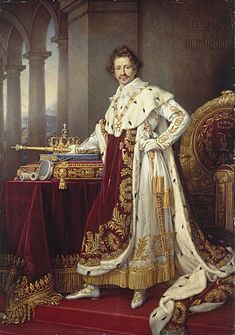
Ludwig I, King of Bavaria from 1825 to 1848, Grandfather of Ludwig II
Maximilian II, King of Bavaria from 1848-1864, Father of Ludwig II
Richard Wagner, Composer
Duchess Sophie, One Time Fiancé of Ludwig II
Otto von Bismarck, Prime Minister of Prussia
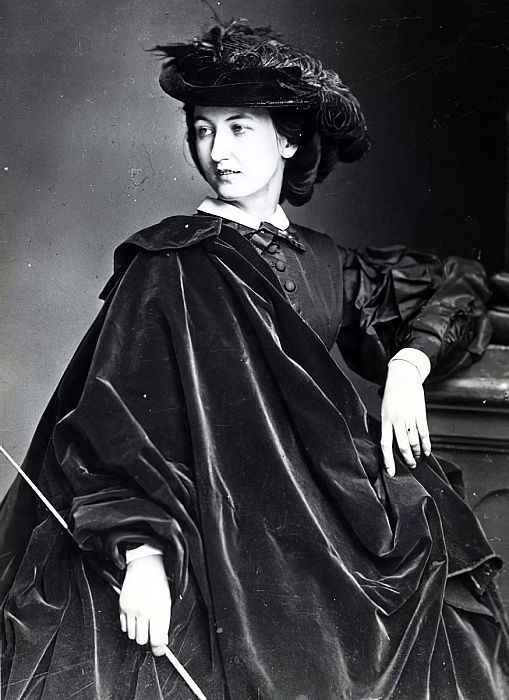
Lola Montez, Mistress of Ludwig I
Get your lederhosen and your pilsners ready, because this month we are headed to my birthplace – Germany! More specifically, we are headed to Bavaria, home of the famous Oktoberfest where I was supposed to celebrate my 30th birthday until this thing called COVID-19 ruined it. Don’t worry, I’m not bitter – I still got my traditional German chocolate cake and the promise of a Bavarian pretzel someday in my future. But enough about me (for now) and more about the man of the hour – King Ludwig II. He is also known by other names: the Mad King of Bavaria, the Swan King or der Märchenkönig (the Fairy Tale King). Sadly, Ludwig’s life was anything BUT a fairy tale, and the ending to this story does not conclude with happily ever after.
Lola Is the Wurst
Believe it or not, the fun fact of my German birth three decades ago is actually relevant to this story, because the Germany we know today is only as old as I am (and that is quite youthful, thank you very much). When Ludwig was born in 1845, what we recognize today as Germany was made up of dozens of sovereign states, the largest of which were Prussia, Austria and Bavaria. On the Bavarian throne, centered in Munich, sat Ludwig’s grandfather King Ludwig I. He was a lover of the arts, a passion he passed to his grandson and namesake Ludwig II. He was also a great lover of women, in particular a woman by the name of Lola Montez, who, classically, was not his wife. Lola was a dancer and as far as royal mistresses go, Ludwig the elder could not have chosen a worse woman to shower with gifts and affection. She was universally disliked by the Bavarian people, so much so that her association with the king almost cost him the throne on several occasions. It was a pattern that his grandson would repeat several decades later. Unfortunately for Ludwig I, having an unpopular mistress and being at odds with his subjects in 1848 was not a recipe for a successful and long-lasting reign. That year a “series of republican revolts against European monarchies [broke out], beginning in Sicily and spreading to France, Germany, Italy, and the Austrian Empire” (Britannica). In March of 1848 the movement had found its way to Bavaria, but Ludwig I was not willing to capitulate to the will of the people. He abdicated the throne, making his eldest son Maximilian, and Ludwig II’s father, the new king of Bavaria.
You Can Run, You Can Hide, But You Can’t Escape His Love
Ludwig II was 3 years old at the time of his grandfather’s abdication, which made him the crown prince. Little Ludwig’s childhood consisted of many of the same elements of the heirs we have covered here at ULTC – rigorous studies and strict schedules, absent parents, and isolation from children his own age. But it seems that in this case, everything was turned up a notch. Ludwig’s days were so packed with studies and homework that he was often pushed to episodes of “nervous exhaustion” as a child, and he found no consolation from his parents who apparently found it impossible to show any semblance of love and empathy towards their children. He had no socialization with peers and as a result, formed close attachments to his governess and the tutors who raised him. And as the next in line to the Bavarian throne, Ludwig was constantly reminded throughout his youth of his exalted position and his divine right to rule. It was something that he would never forget and it would shape every facet of his life.
Something else that held great influence in Ludwig’s life was his love of literature and the arts, in particular the theatre and stories of legendary heroes. And maybe “love” is the wrong word – obsession is probably more like it. When the young prince was not being forced to study history, languages and military strategy, he was buried in fairy tales or the operas of his favorite composer Richard Wagner. It is why Ludwig was given the nickname the “Fairy Tale King”, because more often than not he preferred to live in a world of pretend than the reality around him. His strenuous academic curriculum, coupled with his virtual isolation and inflated sense of self, seems to have succeeded in forming a young man who could be emotional and intelligent but also “high strung and over-sensitive, frequently causing him to take offense at an innocent gesture or look, condemning the often unaware culprit for years” (King). One thing that everyone could agree on was that he looked every part the prince – tall and slender with beautiful facial features, he turned heads wherever he went.
Now, obviously I am not a psychologist, but Ludwig’s absent parents and lack of confidants growing up, seems to have also shaped him into a man who was quick to form unhealthy attachments. He demanded absolute loyalty from anyone he deemed to be a friend, both male and female, and was often disappointed when his affections were not reciprocated whole-heartedly (honestly, same). And there was constant gossip surrounding the people he kept close. He was particularly fond of one of his female cousins, with whom he would share a special bond throughout his life. Inevitably, there were whispers that their friendship was more than that, but the relationship was never anything more than the close bond of family members who understood one another on a deep and personal level. The rumors that were more concerning for Ludwig were those surrounding the male companions he spent intimate and extended time with. Many of these friendships reached a level of obsession on Ludwig’s part that sadly always led to the demise of the relationship. As a young man, these emotions must have been overwhelmingly confusing for Ludwig, as he had not yet begun to disentangle the true source of his feelings for the men who were prominent in his life. For now his friendships remained intimate but never physical.
Prince Paul of Thurn and Taxis, Ludwig II’s first major boy crush. It’s the middle part for me. en.wikipedia.org.
Unlucky In Love
In late 1863, when Ludwig was only 18 years old, his father, King Maximilian, fell seriously ill with a mystery ailment. After months of uncertainty, Maximilian passed away in March of 1864. As we have seen countless times before in our stories, the throne was immediately passed to Ludwig, and the Bavarian people, though sad over the loss of their king, were hopeful for the future. Those closer to Ludwig had mixed reactions to the new young owner of the Bavarian crown. One court secretary said “we now have an angel on the throne”, but Ludwig’s former tutor remarked that “Maximilian II’s death was the worst possible tragedy which could have befallen Bavaria” (King). Quite the spectrum of opinions we have here. So, who was right?
Most of Ludwig’s subjects saw a tall and handsome king, who looked the part and seemed to have a great interest in the running of the government and strengthening Bavaria’s standing among the German states. And that is certainly how it seems to have started out. Ludwig was not handed the best of circumstances when he inherited the throne, as alliances were beginning to form among the German states as powers like Prussia and Austria were battling for land and dominance. A certain well known man named Otto von Bismarck had burst onto the scene in Prussia and would bring Ludwig more than a little trouble over the coming years (we will get to that later).
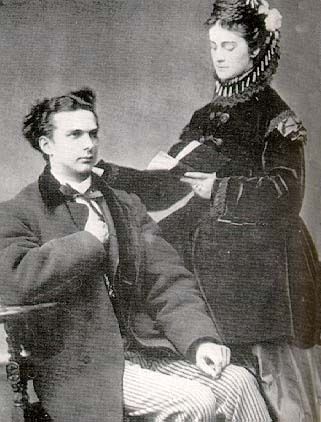
In the meantime, as rumors began to swirl about the company Ludwig kept, from his female cousin to his close male companions, the people wondered when their king would marry and ensure the continuation of the Wittelsbach line. Although Ludwig was entranced by the love stories of his beloved fairy tales, he did not have any interest in marrying. And so it came as a shock to many when he proposed to his cousin Sophie in 1867. Grand preparations for the wedding were made and commemorative souvenirs were adorned with the couple’s faces. But while Sophie was busy planning for the day that she had undoubtedly dreamt of her whole life, Ludwig was regretting his choices. He was looking forward to his wedding day with about as much enthusiasm as I go into my yearly gynecology appointment. Eventually, the thought of marrying Sophie became too much for the king and he first delayed the wedding, then cancelled it altogether. Needless to say Sophie was crushed (don’t worry she was married for real by the same time next year), but Ludwig never regretted his choice not to go through with the marriage. In fact he wrote in his diary that he “longed to awake from [that] terrible nightmare” (King).
Ludwig II and his fiancé Sophie. Keep it PG guys please, sheesh. pinterest.com.
It was perhaps around this time that he was really beginning to understand the nature of his sexuality and that his feelings for Sophie were always purely that of friendship. Lord knows thousands of unhappy royal marriages were made out of convenience as opposed to love, usually ending in a partnership where each merely tolerated the other for as long as they had to be in the same room. This no doubt would have been the case for Ludwig and Sophie. So although it had been a mistake to propose in the first place, props to him for setting her free to live a potentially happy life with someone else.
Ludwig In Wonderland
Although Ludwig did not find happiness with his cousin Sophie, there was one person in his life who was his greatest source of joy (and at times his greatest source of misery). That person was the composer Richard Wagner. Today he is famous for operas like Tannhäuser, Lohengrin and Tristan und Isolde, and is still much celebrated in Europe. If you are uncultured like me, all this does is bring back traumatizing memories of the 2006 James Franco movie Tristan and Isolde (couldn’t tell you what it’s about, I just know it was enough to keep 16 year old me up at night). Ludwig had been enraptured by Wagner’s work since he was a boy, and when he became king he used his resources and influence to bring Wagner to Bavaria and began a decades-long partnership where Ludwig supplied the cash for Wagner to produce and stage his performances. Seems innocent enough, except for the fact that this “partnership” was more like obsessive admiration and devotion on Ludwig’s part. In addition to the endless amount of money the king dished out to make Wagner’s operas a reality, Ludwig also rented him a home and paid off an astounding amount of the composer’s debt. For the sensitive king, this was the world in which he felt he belonged: a world of costume and music and heroic love stories – not the sad world of King of Bavaria where he was forced to go to war with his German neighbors and attend to hours of legal documents and correspondence.
The Swan Knight depicted from Wagner’s opera Lohengrin – no doubt Ludwig II’s Halloween costume of choice. http://www.neuschwanstein.de.
Ludwig did not make much of an effort to hide his disinterest in his position as king, and he definitely did not make any attempt to downplay his passion for the arts, often choosing meetings with Wagner and private concerts over his royal duties. And it didn’t help that Wagner was widely viewed as a money grabber who was having an affair with the wife of his fellow composer, which resulted in two illegitimate children. It was not long before Ludwig’s government ministers were calling for Ludwig to kick Wagner out of Bavaria and wipe his hands clean of his beloved friend. Just as Ludwig’s grandfather almost lost his throne over his association with Lola Montez, Ludwig’s relationship with Richard Wagner was so unpopular that it became a national issue. Eventually Ludwig did cave and sent Wagner to live in Switzerland, but he set him up in a nice house and continued to stay in touch. When word reached him of the composer’s death in 1883, Ludwig was distraught. It is widely accepted that without Ludwig’s patronage, many of Wagner’s works would never have graced the stage.
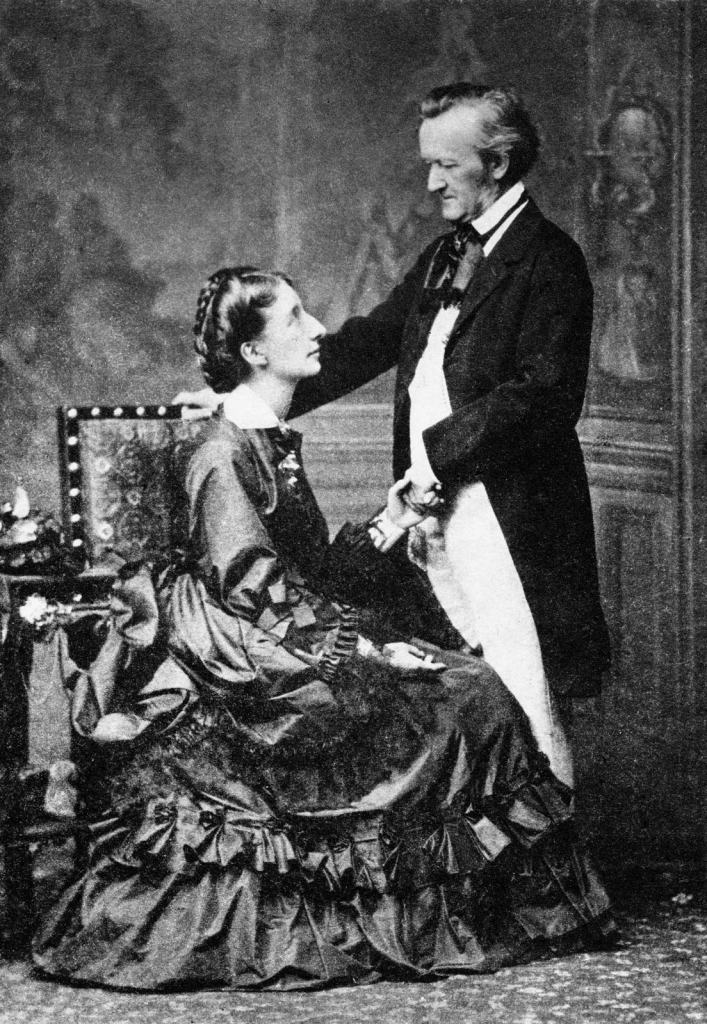
Richard Wagner with his mistress, turned baby mama, turned wife – Cosima von Bulow. http://www.britannica.com.
If You Build It, They Will Come
In addition to the government minister’s unhappiness with Ludwig’s funding of his art projects (even though the money came out of his own allowance), they were equally unhappy with the vast amount of money he spent on building and updating his homes at the expense of the country. And by homes, I mean spectacular castles. The most famous of Ludwig’s architectural projects is Neuschwanstein Castle, a project that took so long that it was sadly not completed during Ludwig’s lifetime. But luckily for us, it was eventually finished and today is a popular tourist destination. It was also Walt Disney’s inspiration for Cinderella’s castle that appears before every beloved Disney movie. Riley and I had the fortune to visit it (since our mom accidentally recorded the floor instead of the interior when she visited back in the 1980s) and walk the several miles from the village below to the castle above and let me just tell you – it was a feat of architectural brilliance that human beings were able to build something that size on top of a mountain.
Taken on iPhone…no really this was actually taken on an iPhone 5 during our trip to Germany. Photo Credit: Riley Bannon.
While we may love and appreciate this enchanted castle, when Ludwig was alive it was just another example to his subjects of his propensity for spending large quantities of money and just how odd he was. Many of the rooms reflected the king’s eccentricities and his quirkiness was often mistaken for signs of mental imbalance. He would often dress up and reenact his favorite Wagner works, his favorite character being the Swan Knight from Lohengrin (hence his nickname, the Swan King). At one point Ludwig also became totally nocturnal, waking up in the early evening to start his day and staying up through the entire night, often taking sleigh rides around his estates while his poor staff who were forced to keep his unusual schedule. Ludwig was definitely a strange dude. If he went to high school with you, he would probably be the theatre geek who wore a paper crown to class and didn’t have many social skills. But eccentricity does not equal insanity, so how was it that at the age of 40, King Ludwig II was deemed mentally insane and forcibly removed from the throne. And how did it come to pass that Ludwig’s lifeless body was found floating in the lake of one of his beloved estates? That’s a secret I’ll never tell. XOXO Stefanie…….
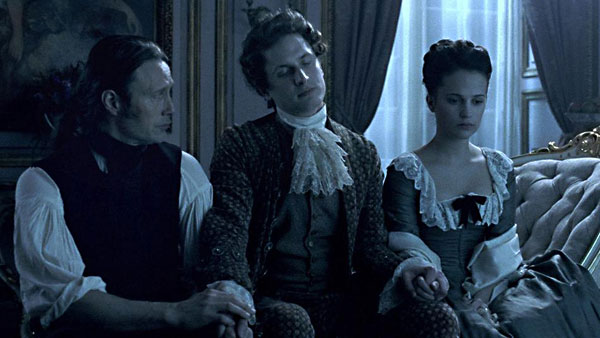
The notorious Jack the Ripper murders in 19th century London have generated plenty of high-profile suspects, but none more salacious than Prince Albert Victor, the heir to the British throne. True crime meets ULTC in this episode exploring the theory that syphilis turned the prince into a killer.
Plus: Why Riley is leaving true crime in 2024. British tabloids never stop. He’s a 10 but he likes Through the Looking Glass.
Thanks for joining us and remember to subscribe and leave a review on your podcast platform of choice!
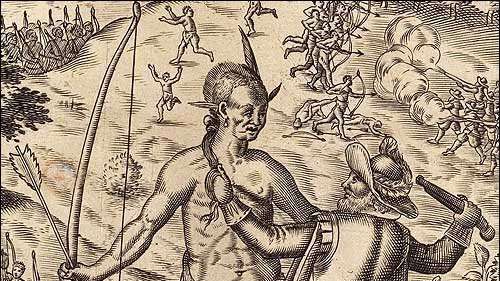
To celebrate Thanksgiving, we are diving into Native American history with the story of Chief Opechancanough. While he has been overshadowed by his relative Pocahontas, his legacy looms large in both U.S. history and medicine. He singlehandedly defended Virginia from Spanish and English colonization for decades, all while battling the debilitating neurological disease myasthenia gravis.
Plus: What Disney got wrong about Pocahontas. Riley regales us with a song she learned in the fourth grade. Should we be cancelled for our Mayflower connection?
Thanks for joining us and remember to subscribe and leave a review on your podcast platform of choice!
Kate Middleton has had to navigate her cancer diagnosis as both head of a household and future head of a country. We discuss how the confusion and controversy surrounding her health may impact the royal family in the longterm, and how cancer treatment affects the mind and brain.
Plus: Can MomTok survive this? Donna Kelce keeps it real. Relaunching our apology tour.
Thanks for joining us and remember to subscribe and leave a review on your podcast platform of choice!
We are very excited to announce that Uneasy Lies the Crown can now be found on Substack! For now, you’ll still be able to find our posts and podcast episodes here on our site, but over on the Substack, you’ll be able to enjoy revamped archival content along with new posts. Think: the ULTC content you love but sleeker, chicer, and sharper than ever. Subscribe now to get every post sent straight to your email. We’ll see you there!
We are back after a VERY eventful break with life updates and a mysterious story. Japan’s Emperor Taisho suffered from cerebral meningitis as an infant, and the longterm effects allegedly left him unable to rule. But was that the truth or a convenient way for his enemies to keep him out of power?
Plus: Riley edited a podcast episode in labor. Stefanie can’t spell Riley’s name and Riley can’t remember her name. Our space discourse continues.
Thanks for joining us and remember to subscribe and leave a review on your podcast platform of choice!
Christian of Denmark’s reign began with a lot of promise, but eventually crumbled in the wake of a scandalous love triangle. Christian’s physician believed that his increasing signs of insanity were a result of his incessant urge to masturbate, but modern neuroscience suggests that was a side effect of bipolar disorder, and his story reveals the gaps in modern healthcare’s ability to treat those struggling with sexual addiction.
Plus: Welcome to ULTC After Dark. Every Girl Scout cookie take you never wanted. Dogs wreak havoc on our recording studio. Is our mom reading smutty books? Goodbye for now but not forever ahead of Riley’s maternity leave.
Thanks for joining us and remember to subscribe and leave a review on your podcast platform of choice!
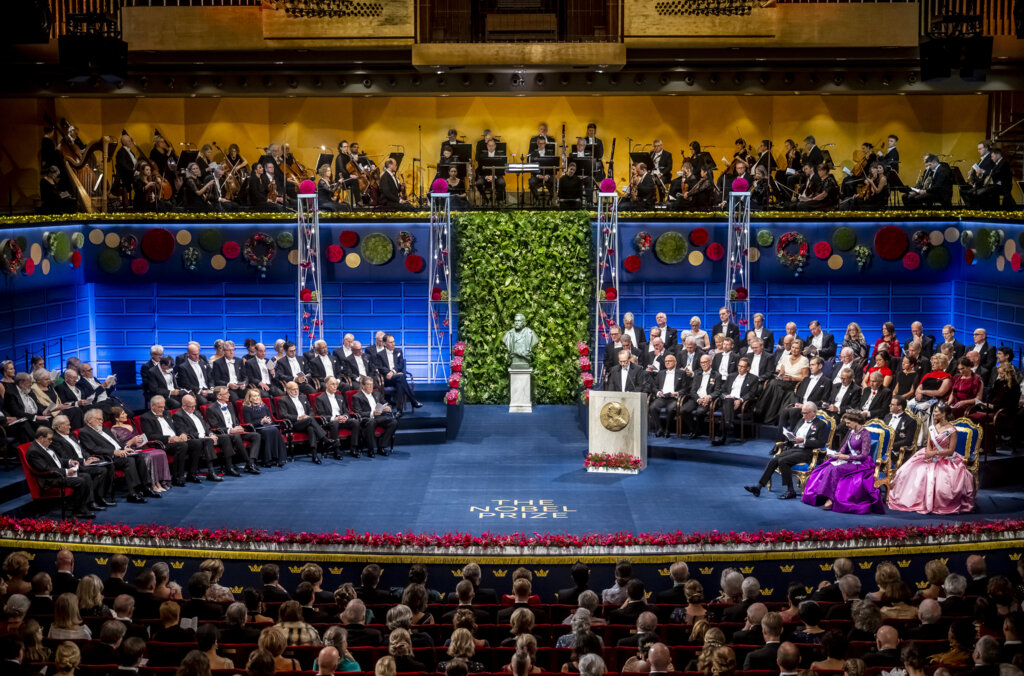
Dropping in to bring you an early holiday treat to celebrate Nobel Week! For one week every year, the world’s most influential scientists are whisked away to Sweden where they rub elbows with literal royalty. Get to know this year’s winners and the Swedish royal family!
Plus: Is Lily Pulitzer a nepo baby? Riley is scared of physics. Everything you’ve heard about Sweden is true. Princess Sofia’s controversial beginnings.
Thanks for joining us and remember to subscribe and leave a review on your podcast platform of choice!
Napoleon Bonaparte is the most famous military figure in history, a man who started from nothing and gained an empire. But when you reach that level of fame, you are surrounded by rumors (hint: he wasn’t actually short!). On this episode, we break down Napoleon’s reign and the science surrounding his eponymous “Napoleon Complex” to understand how a personality could be pathological but lead to heights of achievement never to be seen again. This is a must listen before you hit the theaters to see the new movie about his life!
Plus: A brief history of Napoleon’s globetrotting genitalia. Stefanie approves of George Santos’ illegal expenditures. We are thankful for you!
Thanks for joining us and remember to subscribe and leave a review on your podcast platform of choice!
Kings have killed throughout history for the chance at an heir, but Ivan the Terrible took another route; he killed his own son, forever changing the trajectory of Russia. We explore whether his behavior can be traced back to a mysterious childhood illness and his favorite skincare products.
Plus: Riley shares some exciting personal news. Fall is a state of mind. What is your Roman Empire? If you are a German speaker with $10 to spare, hit us up. Taylor and Travis are a sign of the end times. How did Stefanie really get mono?
Thanks for joining us and remember to subscribe and leave a review on your podcast platform of choice!
Our latest episode covers Maria of Portugal, whose story contains many elements of past episodes: depression and grief, regencies, inbreeding, New World colonies, and even King George’s physician. However, it’s her relationship with religion that stands out and takes us on a journey through the modern neuroscience of religion and obsessive compulsive disorder. And, we have an exciting announcement about the future of the podcast!
Plus: Get ready to see a lot more of us. Does Riley look like Jenna Lyons? Riley thinks the Barbie movie was actually pro-man and Stefanie thought the costumes were pretty!!! Why do you guys love incest so much?
Thanks for joining us and remember to subscribe and leave a review on your podcast platform of choice!























 Uneasy Lies the Crown