Autopsy Turvy

Russian to Conclusions

I thought I had Ivan’s case all figured out. I heard a rumor somewhere a few years ago that his sexual exploits led to a case of neurosyphilis that spread to his brain, a theory that could ostensibly explain some of his behavior. Plus, he had a traumatic childhood, which we’ve seen leaves people vulnerable to mental illness. But, being the good rigorous scientist that I am, when I began to search for evidence to support my theory that Ivan had neurosyphilis, I realized the issue was much more complicated than I anticipated.

First of all, there is a dire lack of information about the state of Ivan’s mental health from reputable sources. With each link I clicked on, I found new theories that claimed to be supported by a 1960s autopsy of Ivan’s body. They found evidence of syphilis. They found that he was poisoned. They found nothing at all, he must have been schizophrenic or a psychopath. 

To make sense of these competing claims, all I had to do was read the autopsy myself. The problem? I could only find it in a journal called Canadian-American Slavic Studies that is inexplicably published in German and kept behind a paywall that my academic institution could not give me access to — no wonder there’s so much false information flying around about this man. 

If I clicked on a link that led me to this one more time…

Rather than pay 20 dollars and dust off my high school foreign language skills, I scraped the bottom of the internet until I found a paper by Edward Keenan that described the autopsy findings. Keenan was a historian at Harvard who rocked the medieval Russian academic world when he exposed some documents that were used to paint Ivan as “Terrible” as actually fake. If there’s anyone I could trust, it would be this scholarly rebel. If Keenan’s interpretation of the autopsy is to be trusted, then Ivan did not have syphilis, but he did have something far more interesting. 

Throw Me a Bone

I read from some other sources that the researchers who examined Ivan’s body (which was remarkably well preserved) found skeletal abnormalities. Keenan confirms this. He quotes the report as saying that his “right clavicle was abnormally shorter [than the left] and the left clavicle was larger and more massive [than the right]. The whole torso was noticeably asymmetrical. The spine, with its straight neck, had lost its flexibility as a result of the formation of numerous osteophytes. The whole spine was as if welded in a single position. The osteophytes on the vertebrae had fused…Around the joints of the long bones of the extremities were found ridge-shaped and lump-shaped growths…” I didn’t know what an osteophyte was, but I could tell it was not good. 

Compare the top healthy vertebra with the bottom osteophytic one. Note that the disk between vertebrae is thinning and degenerating, causing compression and nerve pain. In addition, you can see that the bone has become jagged at the bottom, indicative of bone spurs. News Medical.

After further research, I learned that osteophytes are what are more commonly referred to as bone spurs. These are outgrowths of bone near joints, and are associated with things like arthritis, where joint damage leads to destabilization. However, the differences between Ivan’s left and right clavicle suggested that this wasn’t simply a severe case of arthritis, but rather a developmental issue with the bones. I was convinced that the autopsy of Ivan’s body showed that he had several skeletal abnormalities. But what caused them, and what do they have to do with the state of his brain?

TB Tea

Keenan links the spinal abnormalities observed in Ivan’s remains to a series of letters exchanged between Ivan’s parents shortly after his birth. These letters are some of the very few primary sources we have about Ivan’s life, and they reveal he suffered from an illness that put the court on edge. Ivan’s mother says that her was suffering from convulsions, and then a large lump appeared on his neck. Soon after, it ruptured and began secreting pus and blood. Mysteriously, this sickness is referred to as “maka” in the letter. To the dismay of historians, this word is found nowhere else in the Russian language. But our brilliant protagonist Keenan links maka to a word from a Russian dialect meaning a hump of soil near a marsh, which is related to the Russian word for tuberculosis. Bullseye.

Tuberculosis (TB) is an infectious disease caused by Mycobacterium tuberculosis. Thanks to modern vaccines, TB is very rare today, but it was raging in the 16th century. Mycobacterium tuberculosis generally affects the lungs, but it can also spread to the cervical lymph modes, joints, bones, and abdomen. When TB infects the cervical lymph nodes, it produces growths much like the one Ivan had as a baby. Interestingly, this form of TB, called scrofula, is more common in children, and, up until the 1800s, was thought to be cured by the touch of a king. Oh, the irony! 

Believe me when I say I did not choose the most upsetting example of pediatric scrofula that the Internet has to offer. Wikipedia.

Furthermore, while TB rarely affects the skeleton, when it does, the spine is the most common area of the body involved. Spinal tuberculosis is most common in children, and has severe consequences, including neurological symptoms due to spinal cord compression and spinal deformities, not unlike what Ivan’s remains showed. So it would be a pretty rare case, at least by today’s standards, but let’s roll with it. We think Ivan suffered from an early case of TB, causing severe spinal abnormalities. Now let’s finally get to what that has to do with his brain!
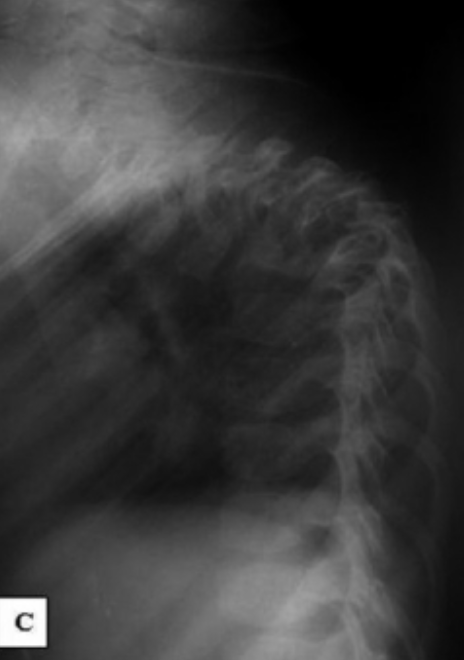
A dramatic example of one of the effects of untreated spinal TB in children: kyphosis or hunched back.

Mercury in Retrograde

As you can imagine, walking around with a body that was ravaged by TB was not a pleasant experience. Ivan was likely living with severe, chronic pain, and he medicated accordingly. Sources have described his affection for a stiff drink and ointments made with mercury. If you, like me, grew up living in fear that you were going to break your mercury-containing thermometer in chemistry class and kill everyone, you’re probably wondering why he would willingly use a toxin on his skin. In Ivan’s day and age, mercury was indeed used as a poison. A modern examination of the remains of one of his wives shows that she was definitely poisoned by Ivan’s enemies as he suspected. However, mercury was also a common medical ingredient, especially in treatments for syphilis. And the topical use of mercury is still ongoing, most often from beauty products produced in countries without strict safety regulations. Just this year, the Center for Disease Control reported a case of mercury poisoning in a woman using a foreign skin cream. 
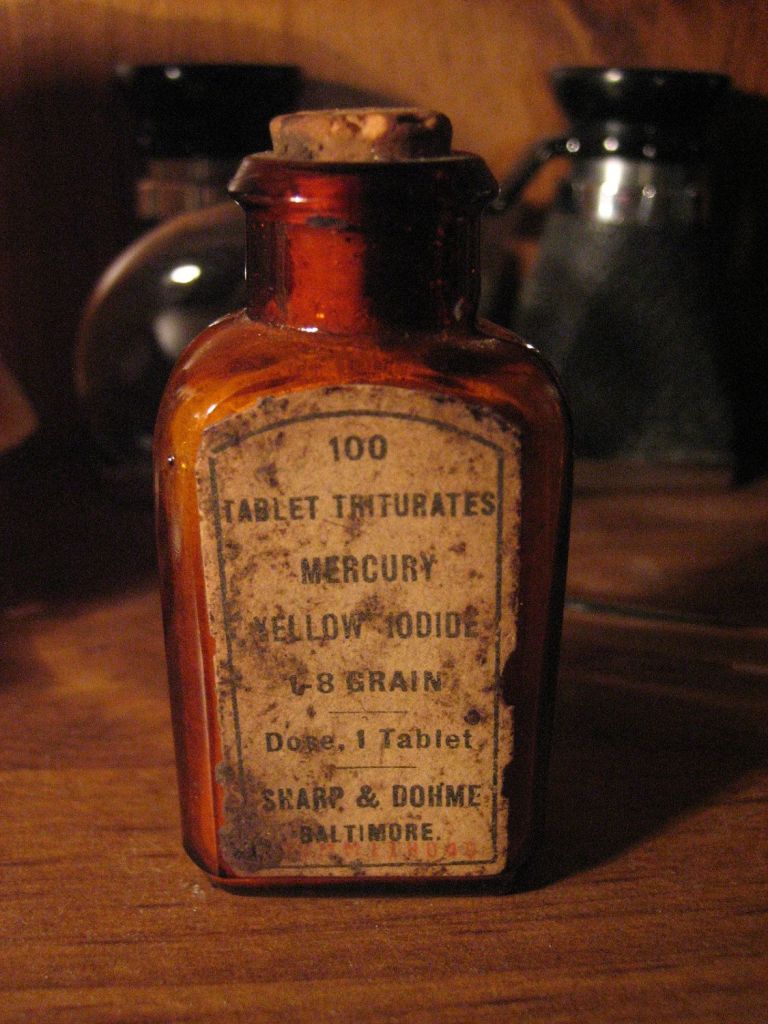
Beginning in 2nd century China, mercury was used in medicines like the one shown above. The unique viscosity and metallic qualities of mercury made it attractive for medicinal use. Pinterest.

In case it wasn’t clear from the term “mercury poisoning”, mercury exposure is not a good thing, especially for the nervous system. Unlike many toxins, mercury can pass through the blood-brain barrier, a tightly controlled barricade that protects the brain from insult. Once there, it is converted to a stable form that keeps mercury in the brain longer. Mercury can bind to microtubules, which provide structural support for neurons, and impair neuronal signaling by altering the release of neurotransmitters and the activity of neurotransmitter receptors. In addition, it promotes the formation of reactive oxygen species, highly reactive forms of oxygen (as its name suggests) that can interact with and damage DNA. The overall effect? Cell death. 

This amazing video from the University of Calgary shows a neuron dying after mercury exposure!

Because mercury has such extensive effects on the nervous system, it will come as no surprise that mercury poisoning can have psychiatric effects. The symptoms depend on the type of exposure, but most often include irritability, apathy, anxiety, cognitive impairment, decreased social inclination, and depression. A severe form called erethism or “Mad Hatter’s Disease” (so called because it was characterized in a group of hat factory workers exposed to mercury) manifests in severe mood instability, tantrums, and fighting. Rings a bell doesn’t it? Think about Ivan’s poor military decisions, his withdrawal from society, and the fact that he killed his son in a fit of rage. Debates exist about whether scientists found levels of mercury in Ivan’s remains consistent with poisoning, so take my theory with a grain of salt. But I think there are enough similarities between Ivan’s behavior and the psychiatric mercury poisoning to warrant further consideration.

Falling Tsar

Perhaps Ivan’s go-to pain killer wreaked havoc on his brain, causing a massive personality change that left him explosive and irritable. As we discussed, his remains revealed striking skeletal abnormalities, which, combined with historical documents, suggest that Ivan suffered from the chronic effects of spinal TB. His pain led him to depend on mercury (not to mention the alcohol, which we don’t even have time to discuss!), inducing neural death and impaired signaling. Imagine how history might have been different if the poor man had access to some Icy Hot. But I’ll leave that to Stef to discuss next week…


References

Azevedo, B. F., Furieri, L. B., Peçanha, F. M., Wiggers, G. A., Vassallo, P. F., Simões, M. R., . . . Vassallo, D. V. (2012). Toxic Effects of Mercury on the Cardiovascular and Central Nervous Systems. Journal of Biomedicine and Biotechnology,2012, 1-11. doi:10.1155/2012/949048

Benzagmout, M., S. B., Chakour, K., & Chaoui, M. E. (2011). Pott’s disease in children. Surgical Neurology International,2(1).

Grzybowski, S., & Allen, E. (1995). History and importance of scrofula. The Lancet,346(8988), 1472-1474. doi:10.1016/s0140-6736(95)92478-7

Keenan, R. (1993). Ivan IV and “The King’s Evil”: Ni maka li tu budet? Russian History,20(1), 5-13.

Notes from the Field: Methylmercury Toxicity from a Skin Lightening Cream Obtained from Mexico – California, 2019. (2019, December 19). Retrieved from https://www.cdc.gov/mmwr/volumes/68/wr/mm6850a4.htm?s_cid=mm6850a4_w

Panova, T. D., Dmitriev, A. Y., Borzakov, S. B., & Hramco, C. (2018). Analysis of arsenic and mercury content in human remains of the 16th and 17th centuries from Moscow Kremlin necropolises by neutron activation analysis at the IREN facility and the IBR-2 reactor FLNP JINR. Physics of Particles and Nuclei Letters,15(1), 127-134. doi:10.1134/s1547477118010132

Stier, P. A., & Gordon, R. A. (1998). Psychiatric aspects of mercury poisoning. Medical Update for Psychiatrists,3(5), 144-147. doi:10.1016/s1082-7579(98)00022-3
What’s In a Name?

The Players

This week we travel 500 years back to a place familiar to us – Russia. In 1547, Ivan IV was crowned the empire’s very first tsar. But you may know Ivan by a different name — Ivan the Terrible, a member of the Rurik Dynasty which had held power in some capacity in Russia for 700 years. With a name like that, who knows where this story will take us!

Ivan Vasilyevich was born into a world of drama and intrigue and there was pressure on him from the very beginning. The grandson of Ivan the Great, Grand Prince of Moscow for 50 years (this was the position that existed before tsar), Ivan was only 3 years old when his father (and the current Grand Prince) died. He inherited the title and his mother was made regent in his place until he was old enough to rule. Unfortunately, she died 5 years later, and her passing would have a profound effect on her son and his relationships with the rest of the aristocratic class in Russia. He believed, probably rightly, that she had been poisoned (Agrippina at work again…) by a group called the boyars: men “drawn from about 200 families, descended from former princes, old Moscow boyar families, and foreign aristocrats (Britannica).” They were essentially meant to be the tsar’s right-hand men in the government, but their betrayal meant he would distrust them for his entire life. 
Pressure Point

As an orphan prince, Ivan was thrown into the middle of a great power struggle amongst the boyars, and as an impressionable boy, this only served to make him more distrustful of this group of nobles. Historians agree that as a young child, Ivan was “a sensitive, intelligent boy, neglected and occasionally scorned by members of the nobility who looked after him after his parents’ death” (Biography). Losing both parents by the age of 8 would shape any child’s journey to adulthood, but in Ivan’s cases, his grief was compounded by the pressure of his public role and the constant violence and bickering that he witnessed. The boyars were a brutal group and the point of contention was a tale as old as time – power and influence. According to the law at the time, military and government officials “were ranked in a definite genealogical order according to their relative seniority” (Britannica), and this caused a lot of drama when a man who deserved a position based on skill was bypassed in favor of a man of higher societal status. This law was eventually changed, but not for another century. 

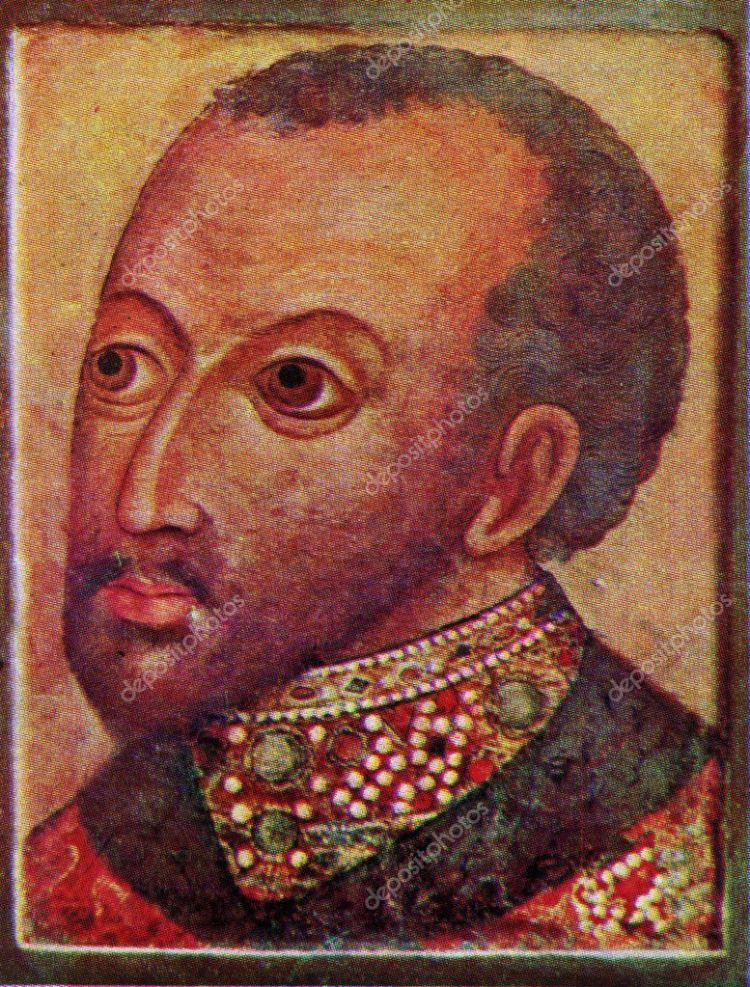
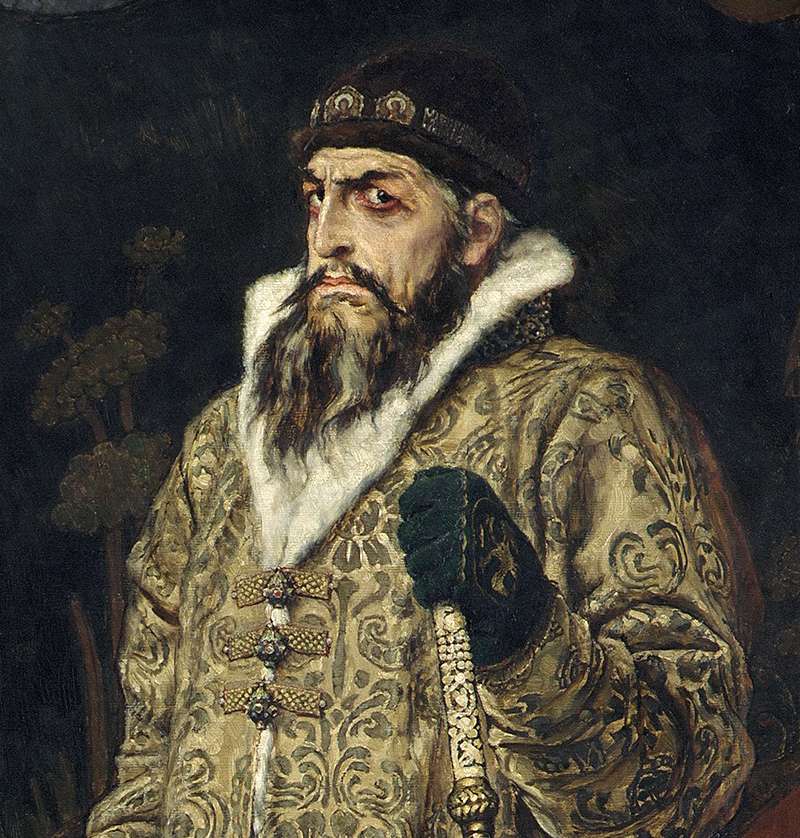
Ivan IV doesn’t look so terrible here…but just wait. Britannica.

When Ivan was 17 he was deemed old enough to rule on his own and he was crowned “tsar and grand prince of all Russia” (Britannica). The word “tsar” was derived from “caesar”, like our friend Julius, which means “emperor”. That same year he married a woman by the name of Anastasia Romanovna. Sound familiar? Anastasia was the great-aunt of the future first tsar of the Romanov dynasty, Michael I, but her name will forever be linked to Princess Anastasia who suffered a cruel death that ended the Romanov line. Ivan and Anastasia had two children, Ivan (we will call him Ivan Jr.) and Feodor. 

Show Me the Access!

Like most rulers of his time, Ivan was bent on expanding his empire. Admittedly, the politics and geography of medieval Russia and its surrounding territories is a tough topic to absorb. The number of tribes, nationalities, languages and factions were numerous to say the least, so for the purposes of this post I am going to give a VERY high-level overview of the conflicts that had the biggest effect on Ivan’s rule and subsequent legacy. These conflicts were all about access — access to important bodies of water and control over the land that surrounded them. There were no cars, no trains, and no airplanes. Travel was done one of two ways: by foot/horseback via land or by boat. I don’t know about you, but I’d rather sail than walk through the Siberian tundra.                 

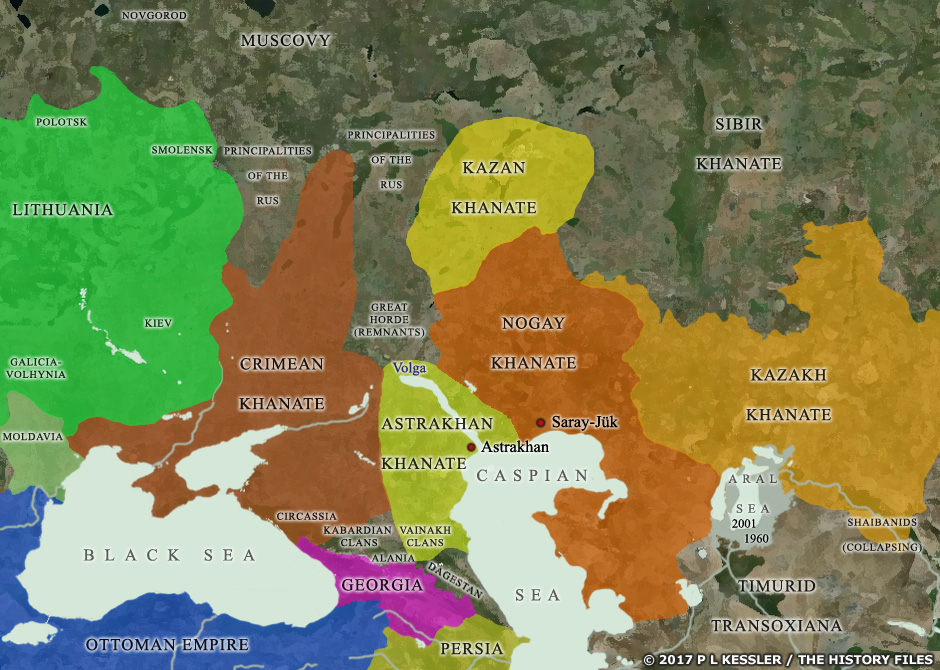
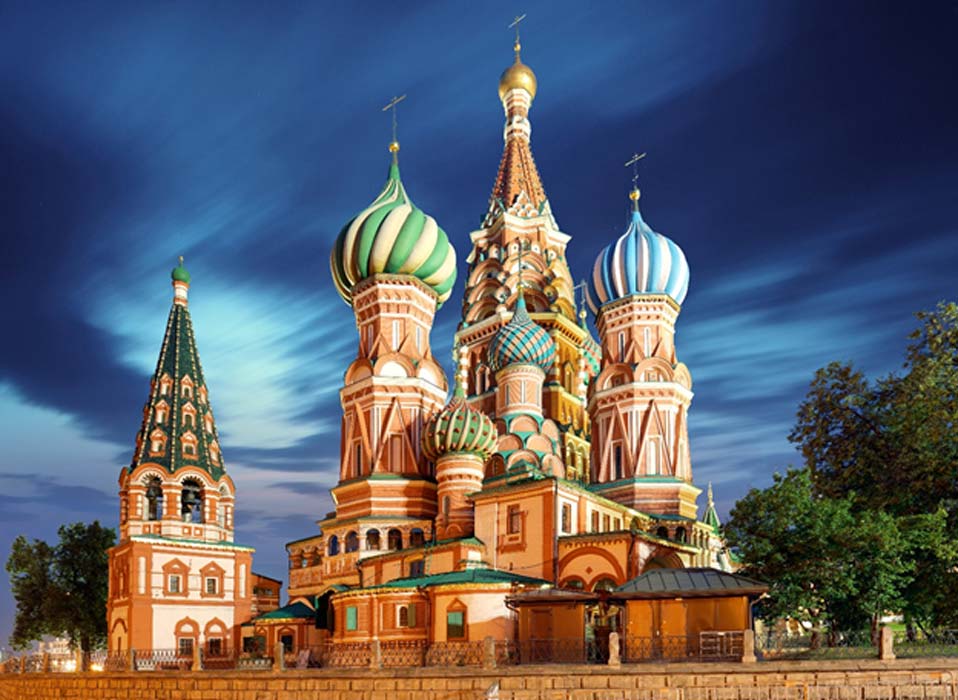
During the 1550’s, Ivan’s military campaigns were focused on a group called the Tatars, who lived in territories called “khanates” (see map below). Today you can find Tatars from Uzbekistan and Bulgaria to Kazakhstan and Azerbaijan. Ivan was heavily focused on conquering the khanates with access to the Volga River, which runs from central to southern Russia and lets out into the Caspian Sea. Many of Ivan’s campaigns were successful, and he commemorated his victories by ordering the building of one of the world’s most iconic churches – Saint Basil’s Cathedral. There is no building that compares to Saint Basil’s in all of Russia, before or after its construction, and legend has it that Ivan was intent on keeping it that way. He blinded one of the architects so that “[the man] could never build anything so beautiful again” (Wikipedia). While this story is most likely not true, it is nonetheless an indicator of Ivan the Terrible’s infamous reputation for violence.

Ivan led many successful campaigns against the Tatar khanates in the 1550s. He ordered the construction of St. Basil’s Cathedral in celebration of conquering the Astrakhan khanate. The History Files.

In 1558, Ivan embarked on a war that would last until his death 24 years later (spoiler alert), with virtually nothing to show for it by the end. Over the course of two decades, “Russia unsuccessfully fought Poland, Lithuania, and Sweden for control of greater Livonia” (Britannica), an area we would refer to as Eastern Europe today. The access up for grabs this time was the Baltic Sea. We will explore the long term effects of this war in the coming weeks, but Ivan poured endless resources into this conflict and in the end was forced to return all of the land he had conquered in the process. This war would also become a major source of strife between Ivan and Ivan Jr. 

The Cathedral of Vasily the Blessed, commonly known as Saint Basil’s Cathedral. ancient-origins.net.

Ain’t Nobody Fresher Than My Clique

Tragedy hit in 1560 when Ivan’s beloved wife Anastasia died. The tsar was absolutely convinced that she had been poisoned by the boyars, but it is possible that this was just the ghost of his mother’s death coming back to haunt him. Whether she actually was poisoned or not, the effect on Ivan’s state of mind was dramatic. His immediate reaction was to withdraw from society, physically removing himself from Moscow. His anger and grief were even enough for him to threaten to abdicate his throne, a scenario that would have thrown the empire into chaos, given that his heir, Ivan Jr., was only six years old at the time.  

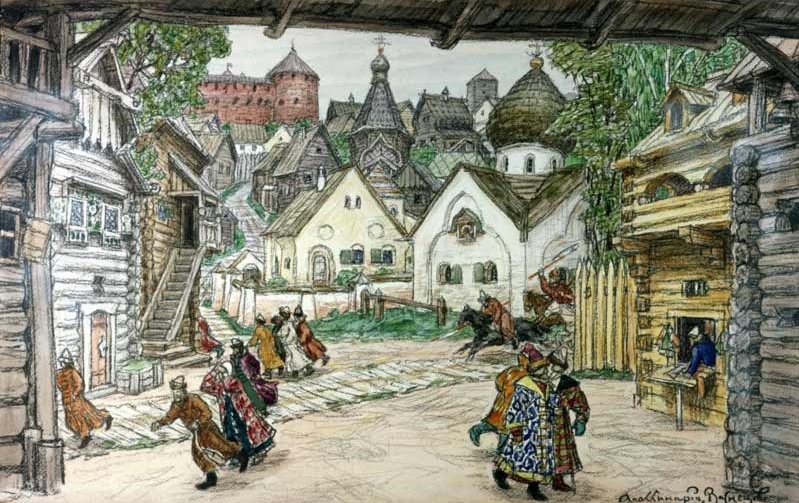
Ivan did agree to remain on the throne, but only with dramatic changes. It was clear that he did not trust the boyar class and given that he believed they were responsible for the death of two women in his life, he probably did not feel safe either. His solution was to create what was known as the “Oprichnina”, a new court that did not consist of the boyars and was under Ivan’s direct control. He also took large amounts of land from the boyar nobility and redistributed to the people of his new court. The creation of this second and separate Russian “system” in 1565 began the period known as Ivan the Terrible’s “reign of terror”, and it lasted until 1572. The men of Ivan’s new court, called “oprichniki”, were “primarily drawn from the lower gentry and foreign population” (Britannica), and acted more like a police or military force than companions and advisers. They executed boyars, confiscated their homes, and terrorized innocent populations across Russia. Ivan might have felt safer, but his subjects did not. His new system created massive instability throughout the empire and isolated Ivan even further from his people. 

A painting depicting villagers fleeing from the invading oprichnik. Wikipedia.

Perhaps the most horrific event to come from this “reign of terror” is what happened in the Russian city of Novgorod in 1570. Fueled by paranoia and suspicion that Novgorod, one of Russia’s leading cities at the time, was in cahoots with his enemies, Ivan let loose his oprichniki. Over the span of about a month these men murdered thousands of citizens in cold blood. Sources are not clear on the exact number of victims, with numbers reported anywhere from 10,000 to 100,000. The town was left decimated, for no apparent reason other than the delusions and mistrust of one man with great power. 

Sins of My Father

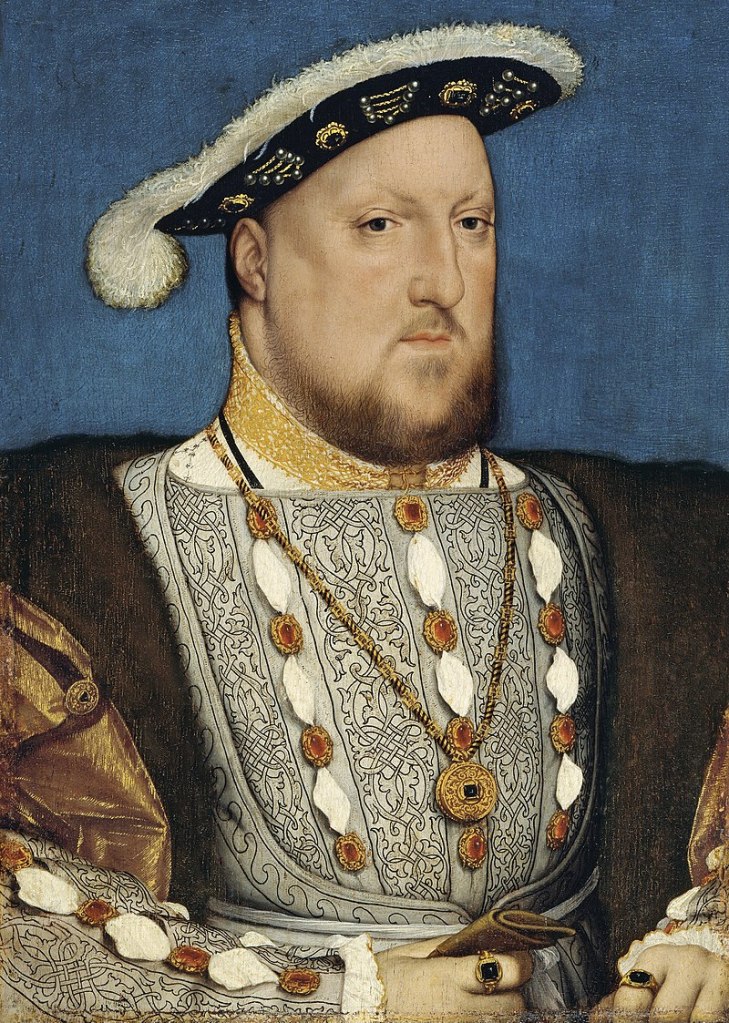
Ivan’s self-imposed isolation from the Russian people apparently did not extend to his love life. In true Henry VIII fashion, the tsar took 5 wives in less than ten years. A couple of these wives died of natural causes, but Ivan was convinced they were the victims of more poison attacks and he was driven deeper into paranoia. Unfortunately, none of the marriages resulted in giving him another heir. Ivan Jr., in addition to being the oldest, was clearly the better suited for the throne – the younger son Feodor had a reputation for being sickly and slow-witted. That is why it was so shocking when in 1581, Ivan killed his oldest son and heir, Ivan Jr. It wasn’t a calculated killing; there was no plotting or planning. It was just a burst of anger that caused Ivan to hit Jr. over the head so hard that he died from his wound several days later. The reasons behind this rage are thought to be two-fold: (1) Ivan and Ivan Jr. had been butting heads about Russia’s policies towards other countries, particularly as it related to the Livonian War and (2) Ivan had reportedly beaten Jr.’s pregnant wife, causing a miscarriage. So needless to say, tempers were clearly heightened when father and son crossed paths on that fateful day. The fact that the tsar would jeopardize the entire future of his empire and his legacy by killing the tsarevich (and his own son) was the cherry on top for history’s branding of Ivan as “the Terrible”. 

Ivan is said to have immediately regretted striking his son and was constantly at his side in the days leading up to his death. Wikipedia.

Ivan lived for only two more years after he murdered his son, and the last years of his life were colored by poor health and increasing paranoia. It is said that he was obsessed with death, “calling upon witches and soothsayers to sustain him” (Biography). When the tsar died in 1584 at the age of 53, his younger son Feodor became Feodor the I of Russia. But there was a reason why this son had never been expected to rule, and so began the beginning of the end for the ancient Rurik Dynasty. 

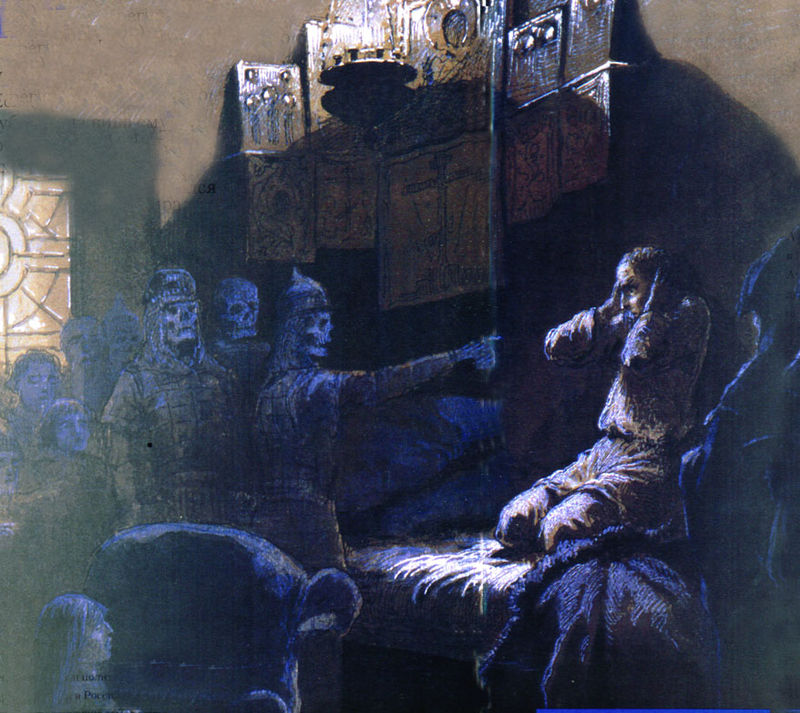
It’s a wonder Ivan could sleep at night with all of the ghosts of his victims coming back to haunt him. Wikipedia.

References

“Boyar.” Encyclopædia Britannica, Encyclopædia Britannica, Inc., http://www.britannica.com/topic/boyar.

“Ivan the Terrible.” Biography.com, A&E Networks Television, 16 June 2020, http://www.biography.com/royalty/ivan-the-terrible.

“Ivan the Terrible.” Encyclopædia Britannica, Encyclopædia Britannica, Inc., http://www.britannica.com/biography/Ivan-the-Terrible.

“Ivan the Terrible.” Sky HISTORY TV Channel, http://www.history.co.uk/biographies/ivan-the-terrible.

“Livonian War.” Encyclopædia Britannica, Encyclopædia Britannica, Inc., http://www.britannica.com/event/Livonian-War.

“Oprichnina.” Encyclopædia Britannica, Encyclopædia Britannica, Inc., http://www.britannica.com/topic/oprichnina.

“Tatar.” Encyclopædia Britannica, Encyclopædia Britannica, Inc., http://www.britannica.com/topic/Tatar.

“This Day In History: Ivan The Terrible Orders A Massacre In Novgorod (1570).” HistoryCollection.com, 8 July 2017, historycollection.com/day-history-ivan-terrible-orders-massacre-novgorod-1570/.

Seclusion Delusions

Home Alone

As we’ve been discussing the life of Juana of Castile this month, I couldn’t help but notice the irony of her final years. Although Juana was generally stable, her family portrayed her as “mad” so that they could lock her away and rule in her place. But the isolation that Juana was subjected to ended up taking a toll on her mental health. She began to attack her guards and after her daughter left to get married, she entered into a deep depression, refusing to eat. While these are behaviors she had engaged in before, they intensified in her isolation. 

This cannot be good for your mental health.

There is an abundance of scientific literature focused on the biological effects of social isolation, which has been examined with renewed interest this year as the coronavirus pandemic forced people to stay at home and away from friends and family. What did Juana experience at the biological level from her years spent behind castle walls? I will resist my desire to write about how the 1990 cinematic treasure “Home Alone” is an artistic portrayal of the psychological effect of social isolation and instead answer this pressing question. 

Lonely Eyes

Before we dive into the research, let’s define the terms. Generally, I want to focus on social isolation, which is when you have a lack of interaction with others. Loneliness, in contrast, is an emotional experience of an individual, based on a real or perceived lack of social interactions. Social isolation is easier to quantify and study because it is more objective, and therefore will be our focus for today. However, there is research showing that self-reported loneliness has similar effects as verified social isolation.

The effects of isolation on health can be due to direct biological effects or indirect effects via lifestyle factors associated with loneliness. eHospice

There is abundant data showing that social isolation is associated with poor health outcomes, but it can be hard to interpret. There are a variety of reasons why having a good social network is associated with better health, and you can’t look at any one factor in isolation (pun intended). Social people are more likely to be physically active, have people take care of them if they’re sick, and keep their minds engaged by conversing with others. In turn, they are less likely to have cardiovascular disease, dementia, or experience the deleterious psychological effects associated with isolation. In sum, you end up with a higher risk of mortality in socially isolated individuals. So unfortunately for all the introverts, while the mechanisms might not yet be fully elucidated, it’s clear that building and maintaining a solid group of friends and family is good for your overall health. A party/coffee date/meeting a day keeps the doctor away.

Iso Potential

As I alluded to with Juana, social isolation has particularly potent effects on mental health. An extreme example of this is the effect of solitary confinement on prison inmates, who can develop aggression, anxiety, depression, and impulse control issues after isolation, which some psychiatrists argue is a syndrome similar to post-traumatic stress disorder (PTSD). There have been recent pushes to characterize the effects of solitary confinement scientifically to support its eradication. In the meantime, there is plenty of literature detailing the neurological effects of more common social isolation. Together, the evidence demonstrates that social deprivation affects the brain at the molecular, functional, and structural levels. 

Molecularly, social isolation acts as an environmental stressor that disturbs our good old friend the endocrine system and alters levels of neurotransmitter that the brain needs to send signals. These molecular changes lead to an immune response in the brain, and the hormonal, neurotransmitter, and inflammatory changes can impair neuronal signaling, and therefore brain function. Finally, chronic social isolation in both humans and animal models is associated with atrophy in key brain areas involved in memory, such as the hippocampus, and emotional regulation, like the amygdala. In adults, this means neurons are degenerating, which can contribute to cognitive decline. In children, isolation can impair the organization of these brain regions and become the trigger for neurodevelopmental disorders, like schizophrenia, highlighting that isolation has distinct effects depending on the age of the individual and the duration during which they are isolated. Overall, the multi-level effects of isolation on the brain are consistent with data showing that social deprivation increases the risk of developing depression, anxiety, addiction, and a host of other mental illnesses. 

Social isolation can affect different brain regions (anatomical) using different mechanisms (molecular), resulting in distinct patterns of symptoms (functional), thus affecting the nervous system at all levels. Mumatz et al. 2018.

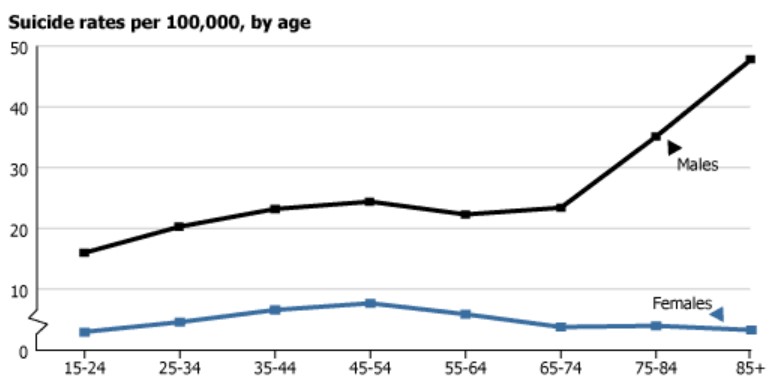
One of the reasons that social isolation is linked to an increased risk of death is that social isolation is a major cause of suicide. A 2019 study that looked at over 200,000 men who had been released from North Carolina prisons found that those who had experienced solitary confinement were 78% more likely to commit suicide. Suicide is also extremely prevalent in the elderly, a population that is particularly vulnerable to social isolation. Men over the age of 65 are the most likely to take their own lives of any group in the US, and 18% of suicides are committed by people over the age of 65. These numbers are shocking, and highlight the fact that social isolation is a public health issue; an issue that is rooted in a complex neurobiology but that we all have the ability to alleviate in our day-to-day lives.

Social isolation is one factor contributing to the shockingly high suicide rates in the eldery. Global Action on Aging.

Free Solo

The profound effects of social bonds on health reveal a beautiful truth about human nature: we are made for communion with others. Just as our bodies require food and water, they need relationships to function properly. What does that mean for people who are living alone during the pandemic? Admittedly, most research suggests that in-person socialization is preferable to digital communication. For example, a study of veterans suffering from PTSD found that face-to-face communication had a positive effect on symptoms, while social media use did not. However, understanding the effects of virtual forms of communication on mental health is a growing area of research. If you’re using Zoom and FaceTime these days to mix and mingle, don’t lose hope! There is research showing that subjective reports of loneliness in young people with serious mental illnesses were improved by using social media. In addition, another study showed that online interaction can translate into real-world community involvement. So whether it’s IRL or on the TL this week, make time for friends and family, and for your health in turn. 

Yes, you can. And you should.

If you or someone you know is struggling with depression or suicidal ideation, call the Suicide Prevention Lifeline at 1-800-273-8255. 


References

Axelrod, J., Balaban, S., & Simon, S. (2019, July 27). Isolated And Struggling, Many Seniors Are Turning To Suicide. Retrieved from https://www.npr.org/2019/07/27/745017374/isolated-and-struggling-many-seniors-are-turning-to-suicide

Brinkley-Rubinstein, L., Sivaraman, J., Rosen, D. L., Cloud, D. H., Junker, G., Proescholdbell, S., . . . Ranapurwala, S. I. (2019). Association of Restrictive Housing During Incarceration With Mortality After Release. JAMA Network Open,2(10). doi:10.1001/jamanetworkopen.2019.12516

Keim, B. (2013, July 10). The Horrible Psychology of Solitary Confinement. Retrieved from https://www.wired.com/2013/07/solitary-confinement-2/

Leigh-Hunt, N., Bagguley, D., Bash, K., Turner, V., Turnbull, S., Valtorta, N., & Caan, W. (2017). An overview of systematic reviews on the public health consequences of social isolation and loneliness. Public Health,152, 157-171. doi:10.1016/j.puhe.2017.07.035

Mumtaz, F., Khan, M. I., Zubair, M., & Dehpour, A. R. (2018). Neurobiology and consequences of social isolation stress in animal model—A comprehensive review. Biomedicine & Pharmacotherapy,105, 1205-1222. doi:10.1016/j.biopha.2018.05.086

Naslund, J. A., Bondre, A., Torous, J., & Aschbrenner, K. A. (2020). Social Media and Mental Health: Benefits, Risks, and Opportunities for Research and Practice. Journal of Technology in Behavioral Science,5(3), 245-257. doi:10.1007/s41347-020-00134-x

Offord, C. (2020, July 13). How Social Isolation Affects the Brain. Retrieved from https://www.the-scientist.com/features/how-social-isolation-affects-the-brain-67701

Teo, A. R., Chan, B. K., Saha, S., & Nicolaidis, C. (2019). Frequency of social contact in-person vs. on Facebook: An examination of associations with psychiatric symptoms in military veterans. Journal of Affective Disorders,243, 375-380. doi:10.1016/j.jad.2018.09.043

Carry On My Wayward Son

The Players


Crazy Little Thing Called Love

During her day and age, women of Juana’s status knew that they married out of duty, but that did not mean that they didn’t yearn for love as well. When Juana and Philip first met following their betrothal, there was no denying the spark between them. After all, they did end up with six children. But it became apparent early on in the relationship that Philip had no interest in a monogamous marriage and he didn’t bother hiding it; his philandering ways were well-known. Understandably, this was a constant state of emotional strain for the devoted Juana, as we saw in Week 1 when she attacked one of her husband’s supposed lovers.


But more insidious than being an adulterer was Philip’s determination to control every aspect of Juana’s life, including her title to the Castilian throne. And so throughout their marriage, and in particular following the death of Isabella, Philip maintained a gaslighting campaign intended to suppress Juana’s independence and convince Castile’s elite that she was incapable of effectively holding her title. Unfortunately for Philip, Juana “continued to behave perfectly on public occasions, casting doubt on her husband’s claims” (Fox). And so he was forced to stoop so low as to forge her signature on letters to her father Ferdinand in which he claimed that Juana “wanted her husband to rule in her place” (Fox). *Clueless voice* As if! Philip’s scheming came to an end with his premature death, but unfortunately, too much damage to Juana’s reputation had been done, regardless of her stable behavior in public.

Where There’s a Will, There’s His Way

Juana’s husband ended up being the least of her troubles. Her mother, Isabella, could see the writing on the wall with the struggle for power over Castile once she had passed and attempted to secure her daughter’s path to the throne. Unfortunately, the will she left behind handed the men in Juana’s life the legal foundation they needed to keep her off the throne. Because Isabella didn’t trust Philip as far as she could throw him, she specified in her will that Philip could only ever be a king-consort (basically he was a king because he was married to a queen, not a king in his own right) “unless [Juana] proved unfit to rule, in which case [her father] was to take up governance as a regent until Juana’s son Charles came of age” (town and country). And there we have it – the phrasing in Isabella’s will may have protected Juana from her power-grabbing husband, but it left the door wide open for Ferdinand (and subsequently, Charles) to turn any of Juana’s unpredictable behavior into a legitimate reason for him to rule over both Castile and Aragon.

At the Council of Toro in 1505, [Ferdinand] secured what amounted to a regency over Castilian lands. To do so, he presented evidence to the councillors that Juana was not mentally capable of governing, thus invoking Isabella’s will” (113, Fox), essentially claiming that his daughter was mad. The following year when Philip died, Juana’s (alleged) dramatics did nothing to change this narrative. With Philip no longer in the way, Ferdinand was his daughter’s lone challenger. It was now the word of a girl in her mid-20s vs that of a respected and powerful king. Even in 2020, the odds would have been against Juana. 

In 1509, Juana began living at Tordesillas under close watch, with her youngest daughter as her only companion. Where she went, who she saw, even who she wrote to was carefully controlled; and sadly “once she was imprisoned in Tordesillas, there are no records of her ever writing anything again” (Fox). There could be no evidence that Juana was actually rational, reasonable, and fit to rule. When Ferdinand died in 1516, no one told his daughter. Her days carried on the same, and she had no idea that her son Charles had taken up the role of her jailer. And he would be even worse than her father had been.

The Hoes Ain’t Loyal

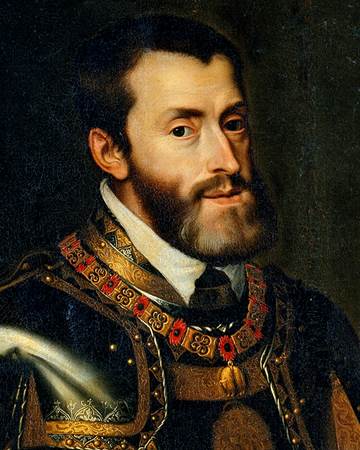
Charles was only 16 years old when his grandfather died, but he was legally of age to rule. In order for him to be the undisputed king while his mother was alive, it was in his best interest to keep Juana out of the public eye and maintain the narrative that she was crazy (maybe my mom should stop complaining that her son never calls her and just be thankful he hasn’t locked her up yet!). And perhaps his cold attitude towards his mother should not have come as a total surprise, as Charles had spent the majority of his life in the Netherlands being raised by his father’s sister. In fact, he had no familiarity with Spain and didn’t even speak the language. This complicated his path to the thrones of Castile and Aragon. Isabella had written her will to avoid putting Philip on her throne, in part because she knew Castile would not readily welcome a foreign king. Because of Charles’ foreign upbringing, it took the help of powerful Spanish allies operating outside of Castile and Aragon to declare him king in 1516.

Pope Clement must have forgiven Charles for holding him prisoner because he crowned Juana’s son Holy Roman Emperor in 1530. wikipedia.com.

Over the next decade, Charles found himself embroiled in the continual drama of European politics. If you will recall way back from our series on Henry VIII, this was around the time that Juana’s sister Catherine was fighting for her marriage in England. And now we see why the English government was so hesitant to support Henry’s bid for divorce – Catherine’s own nephew had the backing of the Catholic Church (who alone had the power to grant the annulment) and was himself a powerful European monarch. Catherine was essentially counting on her nephew’s allegiance to her to deter Henry. But if we have learned anything about Charles it’s that he could give a rat’s ass about family loyalty – just ask his mother, who by now was living entirely alone, having lost her daughter and only companion when she left to be married. Charles’ motives were personal — aka in pursuit of his own power. In 1527, Charles and his troops took part in an attack on Rome (there was a lot going on at this time, just look it up…) and took Pope Clement VII as prisoner. This succeeded in delaying any decision the Pope would have made regarding Catherine and Henry’s marriage but ultimately the delay was just one of several factors that pushed Henry towards his breaking point with the Catholic Church. Clement was eventually released but Charles’ influence is believed to have continued to deter the Pope from granting the English king an annulment. As we know, Henry went ahead with his divorce anyway and cast aside his wife. Charles never came to his aunt’s aid following her banishment from court and she died in England in 1536, three short years after the divorce. 

Spoiler alert, Charles actually abdicated his thrones between 1554 and 1556 and gave them to his son. This map shows the reach of his rule by that time. https://www.spainthenandnow.com/spanish-history/carlos-charles-v-politics.

Mama Didn’t Raise No Fool

Juana may not have been able to reach her potential as a Queen, but she crushed her role as a royal woman of her time by bearing children to carry on the family legacy. Juana spent the majority of her life alone and isolated at the castle in Tordesillas, virtually forgotten by history, “but her descendents dominated Europe for at least two centuries after her death”. We already know about her first-born punk, Charles. Her second son, Ferdinand, was made Holy Roman Emperor after Charles died in 1558. Her oldest daughter, Eleanor, was married to two different kings, first of Portugal then of France, making her a Queen consort x2. Next was Isabella, who was at one point Queen consort of Sweden, Norway and Denmark. In 2007, Prince Frederik and Princess Mary of Denmark had a daughter whom they named Isabella, after her great-grandmother x15! 

Princess Isabella of Denmark, the great-granddaughter x15 of Juana’s daughter Isabella. https://kongehuset.dk/.

Juana’s third daughter, Mary, was the Queen consort of Hungary and Bohemia (predecessor of the Czech Republic). When her husband, the king, died, Mary’s brother Ferdinand was actually named as the new king, and he appointed Mary as his regent. It seems she had inherited Juana and Isabella’s political skills, as she was quite successful in her role. And last, but certainly not least, was Catherine, Juana’s youngest child and companion for many years in captivity. She left to be married to her first cousin (honestly, just keep me in captivity), the most recent King of Portugal. When Catherine’s husband died, she became regent for their young son. All of Juana’s children had children (except Mary, who was a badass and didn’t need no man or children), and they also went on to rule throughout Europe and produce heirs of their own. 

Don’t Forget to Remember Me

Juana of Castile was able to accomplish what her sister, Catherine of Aragon, had so desperately wished for. And yet, she had so much more to offer than just being a mother. The best years of her life were stolen by the men around her and no doubt pushed her farther into the depression that was often seized upon as evidence of her unfitness to rule. Her marriage to Philip was passionate but turbulent – she was just sixteen when they wed and over the course of a decade, Philip all but neutralized her role as princess and heir of Castile. Juana’s emotional outbursts and propensity for intense periods of sadness were no doubt a sign of the deeper pain she was experiencing in her marriage. A pain that was only exacerbated by Philip’s death.

Under the “care” of Ferdinand and Charles, Juana was placed in conditions that could only have worsened her depression, as she was denied contact and communication with the outside world. The damage done to her reputation by these men was so profound that 500 years later, all she is known for today is being “mad”. Would history perhaps have been different if Juana was Queen of Spain as her sister suffered in England? Would she have come down more harshly on Henry than her son Charles had? Or perhaps her absence was what allowed her children to spread their wings and marry into Europe’s greatest families, ensuring a royal legacy that would last for generations.

References

Azcona, Tarsicio de. “Ferdinand II.” Encyclopædia Britannica, Encyclopædia Britannica, Inc., 6 Mar. 2020, http://www.britannica.com/biography/Ferdinand-II-king-of-Spain.

The Editors of Encyclopaedia Britannica. “Joan.” Encyclopædia Britannica, Encyclopædia Britannica, Inc., 8 Apr. 2020, http://www.britannica.com/biography/Joan-queen-of-Castile-and-Aragon.

Ferdinandy, Michael de. “Charles V.” Encyclopædia Britannica, Encyclopædia Britannica, Inc., 17 Sept. 2020, http://www.britannica.com/biography/Charles-V-Holy-Roman-emperor.

Fox, Julia. Sister Queens: the Noble, Tragic Lives of Katherine of Aragon and Juana, Queen of Castile. Ballantine Books, 2011.

Lauren Hubbard Writer Lauren Hubbard is a freelance writer and Town & Country contributor who covers beauty. “What Was Catherine of Aragon’s Sister, Juana La Loca, Really Like?” Town & Country, 10 June 2019, http://www.townandcountrymag.com/society/tradition/a27786471/catherine-of-aragon-sister-jua.

“The Madness of Juana of Castile.” The Tudor Society, 2 Mar. 2017, http://www.tudorsociety.com/madness-juana-castile/.

Tremlett, Giles. Isabella of Castile: Europe’s First Great Queen. Bloomsbury, 2017.

Breaking Sad

Mad Woman

A controlling, philandering husband. A string of tragic losses. A life spent in isolation. This isn’t the plot of Reese Witherspoon’s next miniseries; it’s the regrettably true story of Juana of Castile, as told by Stefanie last week. Juana is known to history as “Juana the Mad”. The charges against her? Attacking her husband’s mistress, excessively grieving over his death, and going through fits of “hysteria” where she would refuse to eat, sleep or talk until she got her way.

Despite Juana’s reputation for being mad, most people who knew her emphasized that she was rational. tudorsociety.com


When you consider the fact that she was mistreated in her marriage, thrust into a position of power that she never anticipated to have, and used as a pawn by the people who loved her most, her behavior does not seem so mad. In addition, the portrayal of Juana as mentally unstable was leveraged to keep her from ruling over a unified Spain, so must be evaluated with a critical eye.

Even so, I think it’s safe to say that Juana was more than just sad. While Isabella of Castile had high hopes that her daughter would embody the strong, educated female leader that she had tried to raise, Juana unfortunately ended up colored by the same depression that afflicted her mother and grandmother. The question is: if depression was an appropriate response to the cards that life dealt her, can it truly be considered pathological?


Misery Business

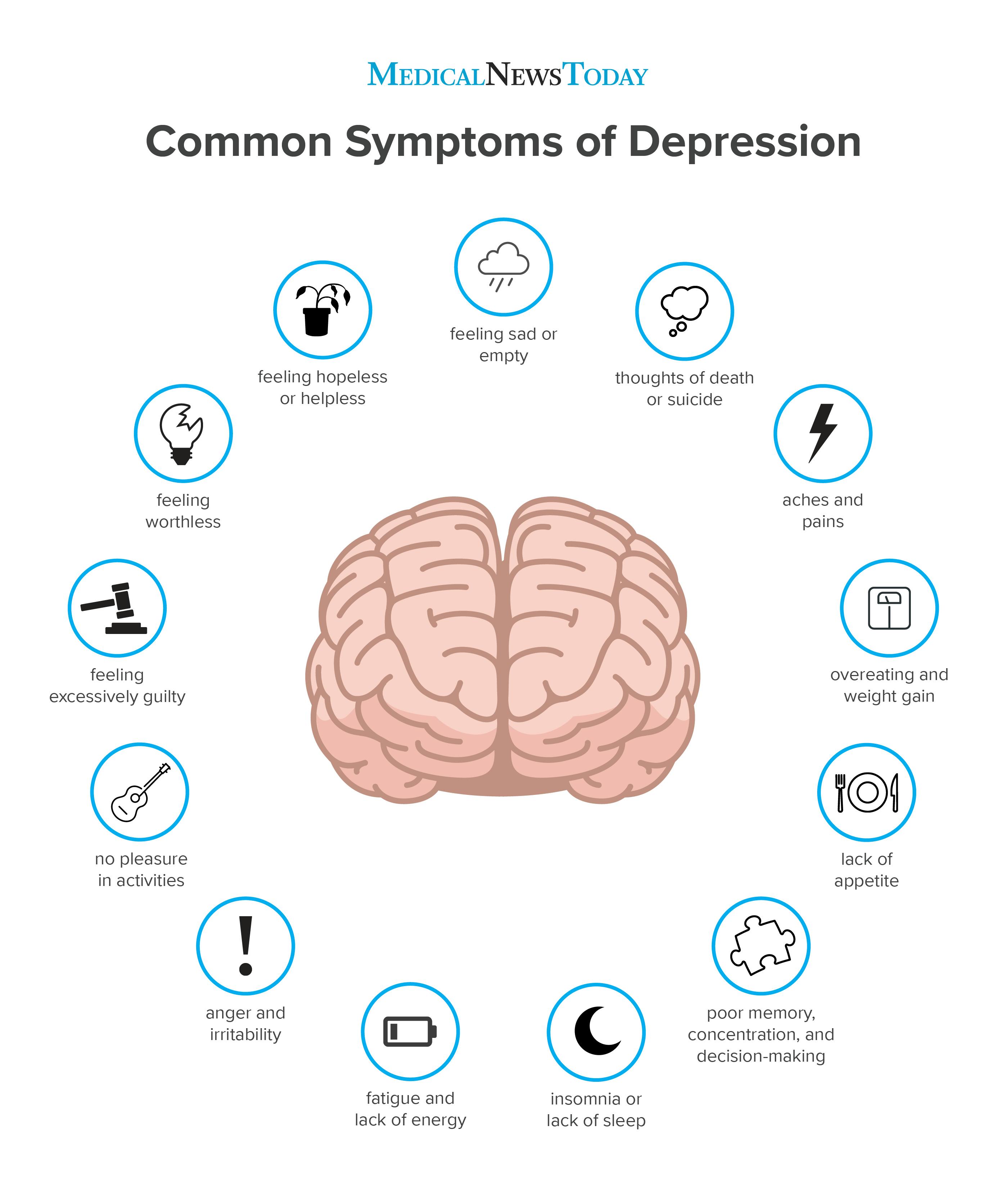
To receive a diagnosis of depression, also known as Major Depressive Disorder (MDD), under the DSM-5, a person must have experienced symptoms for at least two weeks that interfere with their daily functioning and aren’t explained by a medication or other psychiatric disorder. Diagnosis requires the presence of at least five symptoms, one of which must be depressed mood or reduced interest or pleasure in activities. Other symptoms include low energy, inability to concentrate, feelings of guilt or worthlessness, self-perceived slowed thoughts or movements, and unintentional changes in weight or appetite. In the most serious cases, patients have recurring thoughts of suicide. As you can appreciate, depression is not the same as sadness. Depression has physical, emotional, and mental effects and impairs an individual’s ability to function. Note that there are other forms of depression, like dysthymia, postpartum, and seasonal, but we will focus on MDD as it is the most common. 

In the US alone, 7.1% of all adults experienced at least one episode (at least two weeks) of MDD in 2017. Shockingly, over 13% of teens 12-17 had a depressive event in the same year. More females were affected in both age groups.

Depression affects much more than just your mood. Medical News Today

Juana’s mental instability was certainly exaggerated for political and financial gain on the part of her husband, father, and son. Likewise, it seems like some of Juana’s extreme behavior was a cry for attention or an attempt to manipulate those who held power over her. However, there were signs that she was legitimately suffering from MDD. One source who saw her after Philip left her alone for the birth of their son described the “‘disposition of the lady princess…such that it should greatly pain not only those so affected and who love her so, but even strangers, because she sleeps poorly, eats little, and sometimes nothing. She is very sad and quite thin’” (Tremlet). We can check off low energy, depressed mood, and changes in appetite. There is also no evidence that Juana ever experienced any symptoms like mania or hallucinations that would indicate she was suffering from a different disorder in which depression is a symptom. And since big pharma wasn’t exactly booming in the 15th century, it’s safe to say that her mood changes weren’t the side effect of a medication. In sum, it seems reasonable to conclude that Juana of Castile was not mad; she was depressed.


Neurotransmission Impossible

If you haven’t yet sensed a theme here at ULTC, it’s that mental illness is the result of genetic and environmental factors. In this house, we acknowledge nature and nurture. MDD is no exception to this rule. Studies estimate that about half of a person’s risk of developing depression is genetic, and that people who have a genetic predisposition still require an environmental trigger before displaying symptoms. These triggers are usually stressful events, like being cheated on, losing a loved one, or being locked in isolation by your family so that they can take your throne…just to name a few.

Normally, when a treatment is developed for a disease, scientists first seek to understand the biology underlying it. That helps them figure out what molecules, cells, or proteins their drug should target. The process was completely inverted for depression treatment. By chance, it was observed that a couple of drugs improved depression symptoms. Then scientists worked backwards to figure out what the mechanism of the medication was, and thus what was going on in a depressed person’s brain. 

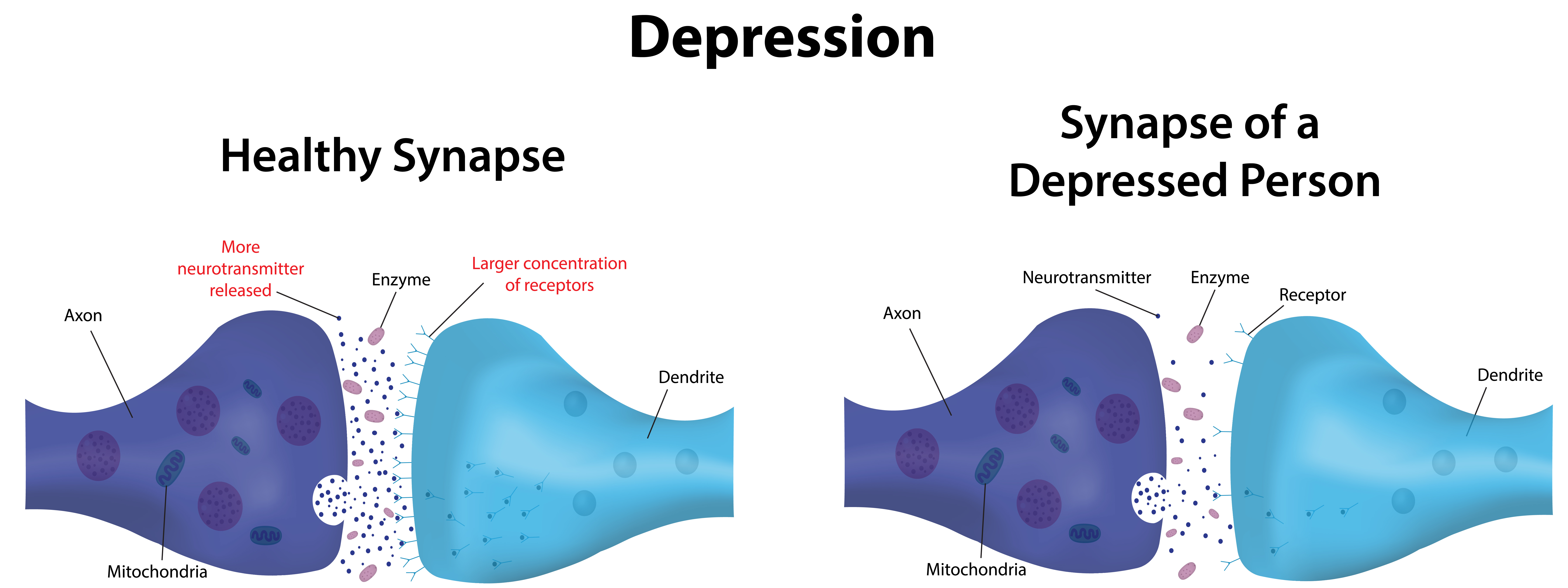
 If you remember from a previous post, the synapse is the junction between neurons where they can communicate in the form of chemicals called neurotransmitters. Scientists found that drugs that improved depression symptoms allowed neurotransmitters to stay in the synapse longer. Specifically, preventing the clearance of serotonin and norepinephrine from the synapse improved depression symptoms. This suggested that there was reduced serotonin and norepinephrine signaling during depression, and boosting their activity by letting them hang around in the synapse could be therapeutic. 

This graphic nicely shows that there is less neurotransmitter and receptor availability in the brain of a depressed individual, ultimately leading to changes in signaling and brain connectivity. Naperville Integrated Medicine

In popular science, serotonin is known as the neurotransmitter that makes you happy, and norepinephrine is the one that makes you feel aroused and alert, so it would make sense that they have reduced functioning in depression. But serotonin and norepinephrine play roles in many brain regions and have diverse functions. Disturbances to their signaling results in complex symptoms that are difficult to target clinically. However, it should be noted that it’s still unclear if reduced serotonin and norepinephrine signaling drive depression or are a symptom of the disease. In addition, other biological mechanisms have been implicated in MDD pathogenesis, but I don’t have time to go into them all here.

Brain regions that have been implicated in MDD include the hypothalamus, which has roles in sleep and feeding, the amygdala, which contributes to fear and anxiety, the striatum, which supports emotional memory and pleasure, and the cortex, which is involved in executive functioning. All of these functions are affected by MDD, suggesting that the widespread clinical manifestations of depression are reflected by widespread alterations in brain activity. 


Circumstantial Evidence

I outlined the diagnosis criteria for MDD in the DSM-5 bit earlier. What I failed to mention was that there was a good deal of controversy over the changes made in this edition. In previous versions of the DSM, a diagnosis could not be made if the patient was grieving. However, in the fifth edition, this bereavement clause was removed, meaning that even if someone was grieving the loss of a loved one, or dealing with a circumstance like a lost job that could explain their depressive symptoms, they could still be given a diagnosis of MDD. There were some legitimate reasons for removing this exclusion criteria. Psychologists argue that there is a difference between normal grieving and depression caused by grieving that has a debilitating effect on a person’s ability to function. In addition, the change highlights the fact that grief can be a stressor that triggers MDD development, and therefore should be addressed clinically. 

However, it also blurs the lines between pathological and normal responses to life events. There is no one way to grieve. While some people thought Juana’s reaction to Philip’s death was over the top, it could have been an appropriate way for her to process the emotions of her complicated loss. The point that clinicians are trying to make is that even when a depressive response is understandable given the circumstances, changes in mood that alter your ability to function in social and professional environments are not normal. Because the stakes are so high with MDD due to the high risk of suicides, even a depression that seems understandable is one that should be addressed. It can therefore be argued that although Juana’s reactions to her husband’s infidelity or her grief over Philip’s death were seemingly justifiable, they were still ultimately harmful. 


Gut Feeling

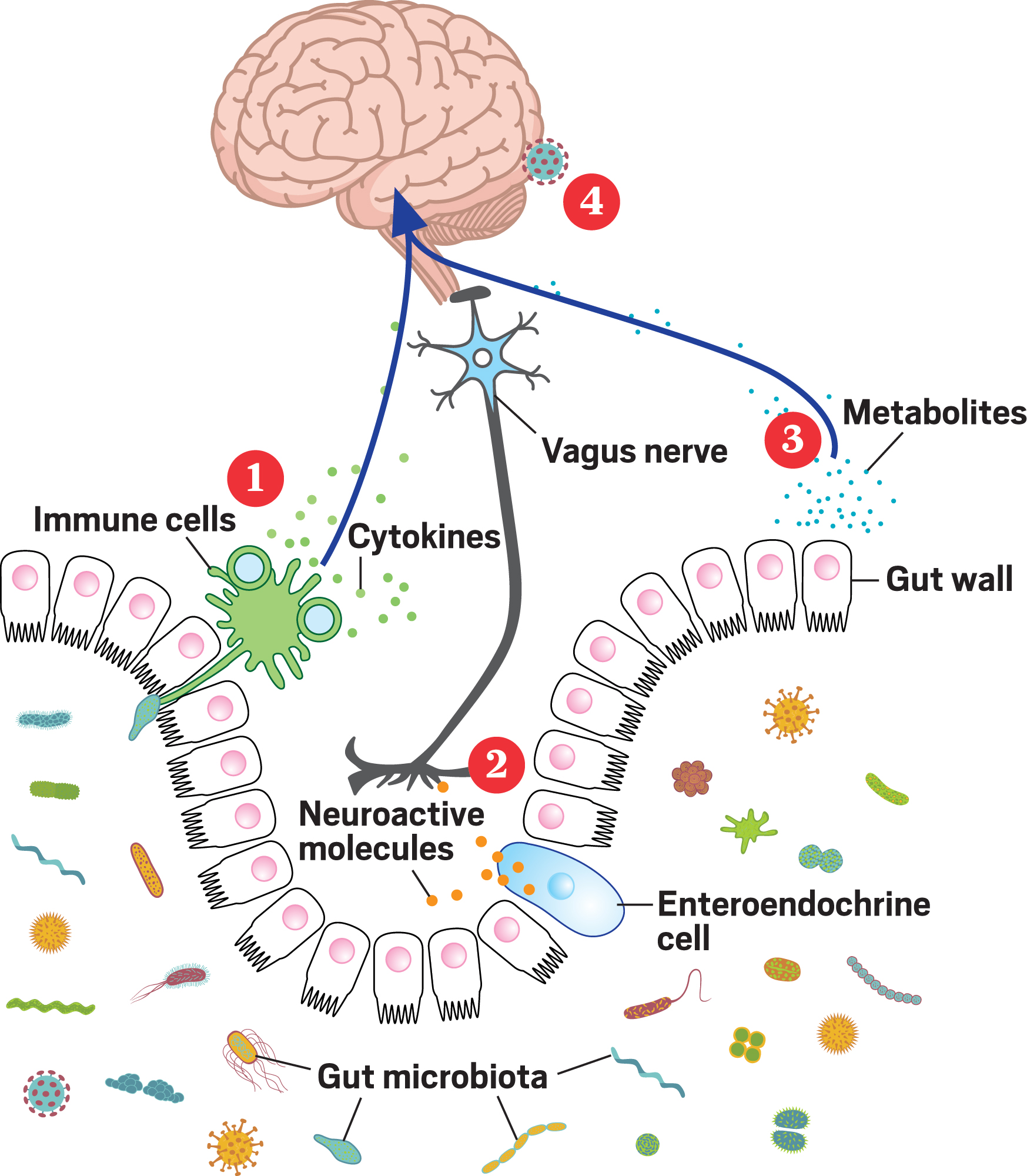
Because I want you to be up to date on all the latest in neuroscience, I want to take a moment before signing off to tell you what’s hot right now in depression research: the gut. The brain is constantly in contact with the gut in order to control things like digestion, but about 15 years ago, researchers found that the gut can talk back. The gut is populated by a swarm of micro-organisms that can have positive or negative effects on your body. Interestingly, these microbes in the digestive system make up to 90% of the body’s serotonin, which hinted to scientists that they may be involved in MDD development or progression. 

The gut is able to communicate with the brain through immune signals called cytokines, metabolites from digestion, and neurotransmitter that communicate through the Vagus nerve. American Chemical Society.

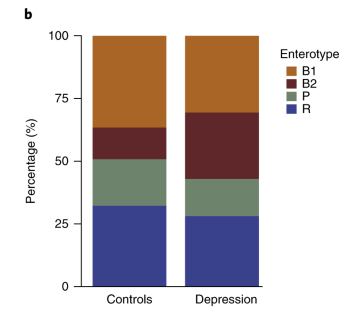
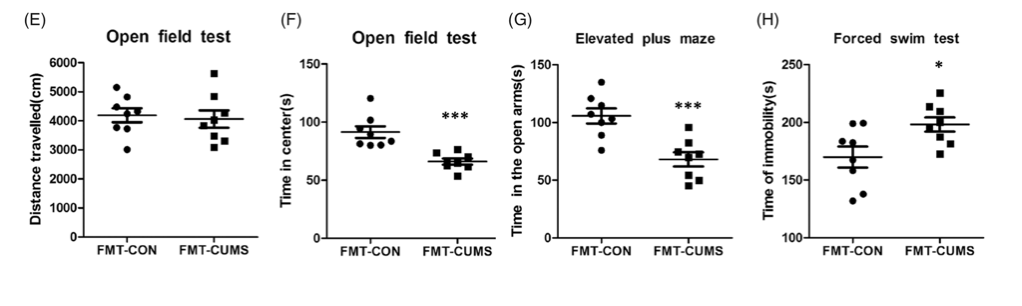
A 2019 study that characterized the gut microbiomes of over 1,000 Finnish individuals showed that the abundance of specific microorganism species differed between depressed and healthy individuals. Another study from last year depleted the microbiome of mice using antibiotics and then performed a fecal transplant from normal or chronically stressed mice. Mice who received a fecal transplant from a chronically stressed mouse had higher levels of anxiety and depression-like behavior. This suggests that stress and the microbiome have reciprocal effects on one another, and could be driving symptoms of depression.

This graph quantifies the amount percentage of four kinds of microorganisms in the gut microbiome of healthy or depressed individuals. Bacteriodes type 2, shown in dark brown, is far more prevalent in depressed patients. Valles-Colomer et al, 2019.
Mice that received a fecal transplant from stressed mice (FMT-CUMS) showed increased anxiety indicated by their time spent in the center of an open field (F) and in the arms of an elevated cross-shaped maze G), where less time indicates more anxiety, compared to mice that received a fecal transplant from controls (FMT-CON). In addition the FMT-CUMS mice give up quicker when they are forced to swim (H), an indicator of depression-like behavior in rodents. Li et al, 2019.

A biotech start up is now leveraging this research to develop a treatment for psychiatric disorders including depression using neurotransmitter-producing bacteria, the human-palatable equivalent to the mouse fecal transplants. The gut-brain axis is also a focus of research for diseases like Autism and Parkinson’s, reflecting the intimate connection between the brain and the environment, and offering an exciting path forward for future research.


Double-Edged Sword

Juana’s mental illness was used as evidence that she was unfit to rule. But depression isn’t like some of the other disorders we have talked about in which a person has no control of their behavior or a distorted perception of reality. In psychological terms, Juana didn’t experience psychosis, and in colloquial terms, she wasn’t insane. She was capable of ruling her kingdom.

In fact, many great world leaders have suffered from depression throughout history. Dr. Nassir Ghaemi is a psychiatrist at Tufts University who uses historical and medical records to identify mental illness in historical figures (way to steal our thunder…). He has proposed that Winston Churchill and Martin Luther King Jr. are some examples of great leaders who suffered from depression. And they definitely didn’t seem unfit to rule!

Interestingly, a classic 1979 study suggested that depressed individuals may have a more accurate sense of reality, a line of questioning that psychologists have continued to pursue. In addition, there is a complicated body of research aiming to determine if mood disorders are more prevalent in creative individuals. Although the literature on these traits in depressed individuals isn’t entirely conclusive, I think they shed light on the important truth that people suffering from depression have things to offer the world. Juana of Castile certainly did, but never got the opportunity to share her gifts. Next week, Stefanie will tell us how her isolation ultimately made its mark on history.

If you or someone you know is struggling with depression or suicidal ideation, call the Suicide Prevention Lifeline at 1-800-273-8255. 


References

Alloy, L. B., & Abramson, L. Y. (1979). Judgment of contingency in depressed and nondepressed students: Sadder but wiser? Journal of Experimental Psychology: General,108(4), 441-485. doi:10.1037/0096-3445.108.4.44

Borenstein, S. (2016, August 11). Some great leaders had mental illness – it may have helped. Retrieved from https://medicalxpress.com/news/2016-08-great-leaders-mental-illness-.html

Kavan, M. G., & Barone, E. J. (2014, November 15). Grief and Major Depression-Controversy Over Changes in DSM-5 Diagnostic Criteria. Retrieved from https://www.aafp.org/afp/2014/1115/p690.html

Li, N., Wang, Q., Wang, Y., Sun, A., Lin, Y., Jin, Y., & Li, X. (2019). Fecal microbiota transplantation from chronic unpredictable mild stress mice donors affects anxiety-like and depression-like behavior in recipient mice via the gut microbiota-inflammation-brain axis. Stress,22(5), 592-602. doi:10.1080/10253890.2019.1617267

Major Depression. (n.d.). Retrieved from https://www.nimh.nih.gov/health/statistics/major-depression.shtml

Nestler, E. J., Barrot, M., DiLeone, R. J., Eisch, A. J., Gold, S. J., & Monteggia, L. M. (2002, April 04). Neurobiology of Depression. Retrieved from https://www.sciencedirect.com/science/article/pii/S0896627302006530

Pennisi, E. (2020, May 11). Meet the ‘psychobiome’: The gut bacteria that may alter how you think, feel, and act. Retrieved from https://www.sciencemag.org/news/2020/05/meet-psychobiome-gut-bacteria-may-alter-how-you-think-feel-and-act

Taylor, C. L. (2017). Creativity and Mood Disorder: A Systematic Review and Meta-Analysis. Perspectives on Psychological Science,12(6), 1040-1076. doi:10.1177/1745691617699653

Truschel, J. (2020, September 25). Depression Definition and DSM-5 Diagnostic Criteria. Retrieved from https://www.psycom.net/depression-definition-dsm-5-diagnostic-criteria/

Valles-Colomer M;Falony G;Darzi Y;Tigchelaar EF;Wang J;Tito RY;Schiweck C;Kurilshikov A;Joossens M;Wijmenga C;Claes S;Van Oudenhove L;Zhernakova A;Vieira-Silva S;Raes J;. (n.d.). The neuroactive potential of the human gut microbiota in quality of life and depression. Retrieved from https://pubmed.ncbi.nlm.nih.gov/30718848/

Yano, J., Yu, K., Donaldson, G., Shastri, G., Ann, P., Ma, L., . . . Hsiao, E. (2015). Indigenous Bacteria from the Gut Microbiota Regulate Host Serotonin Biosynthesis. Cell,161(2), 264-276. doi:10.1016/j.cell.2015.02.047

Livin’ La Juana Loca

The Players

Combine and Conquer

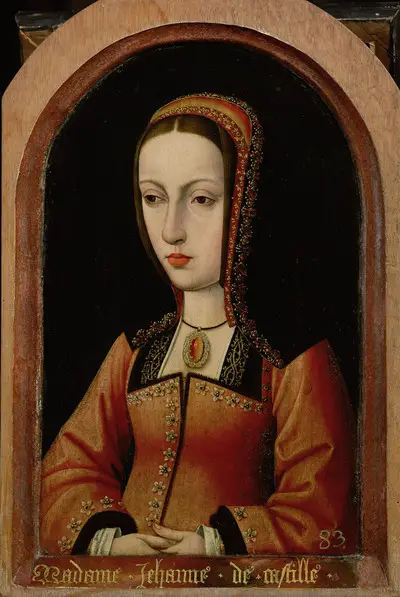
By now, we are well acquainted with the sad story of Catherine of Aragon, Henry VIII’s first wife who he cast aside after 25 years of marriage. But Catherine was not the only woman in her family who suffered at the hands of a man; her older sister Juana of Castile, or Juana la Loca (“Juana the Mad”) as she is unfortunately known, is remembered by history for all the wrong reasons.

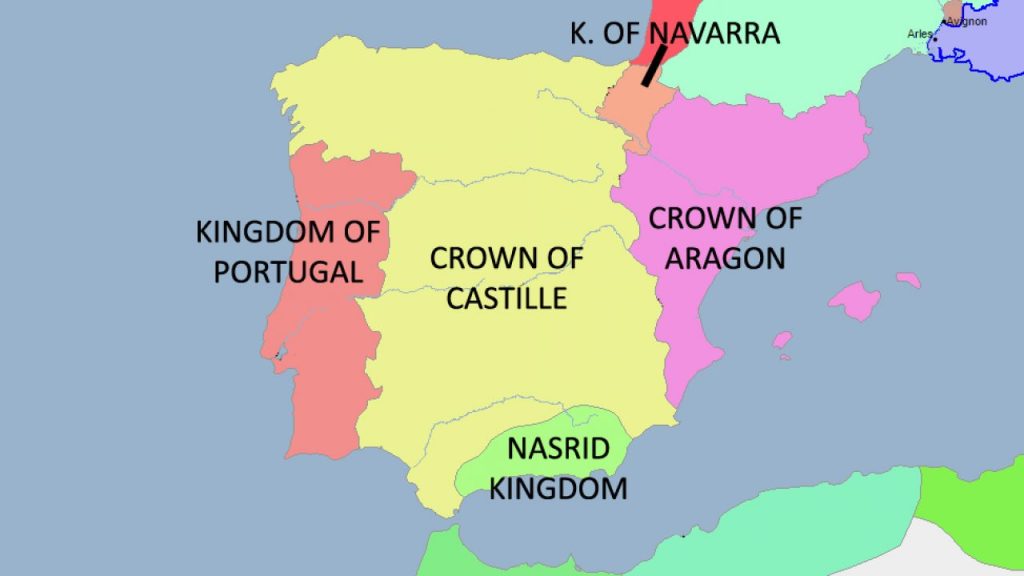
Juana’s parents, Isabella I of Castile and Ferdinand II of Aragon were married in 1469, after receiving special permission from the Catholic Church (they were second cousins – please pretend to be shocked!). Their union was significant because at the time, Spain as we know it today was divided into separate kingdoms and territories. Isabella inherited the throne of Castile (essentially Western and Central Spain) in 1474 and Ferdinand inherited Aragon (Eastern Spain) in 1479. As husband and wife, they began the process of creating a unified Spain. It didn’t happen overnight, however, because while Isabella and Ferdinand were alive they each continued to rule and govern their kingdoms autonomously. If Isabella were to pass away, the throne of Castile would not automatically pass to Ferdinand, and vice versa with Ferdinand and Aragon. The title of heir for both Castile and Aragon belonged to their eldest living child and the unification would be complete once both thrones were held by the same person.

A rough illustration of the two kingdoms that would unite to create Spain. Note- Isabella was clearly the more powerful one in the relationship. about-history.com.

Crazy, Stupid Love

Juana was the third of Isabella and Ferdinand’s five children. Although she was not raised with the pressures of inheriting her parents’ crowns, she was expected to marry into a good family and provide her parents with strong allies. Being the daughter of Isabella of Castile must have been both awe-inspiring and intimidating. In a world run by men, Isabella was a queen in her own right, respected for her intelligence and her military acumen. And for Isabella, it was important that her daughters were also raised to become strong, intelligent, Catholic women. Juana and her sisters were given every educational opportunity a woman could have in those days, and so Juana entered the marriage market as a highly desirable match for her looks (she rocked the same famous red locks as her mother and sister Catherine), intelligence, and pedigree. 

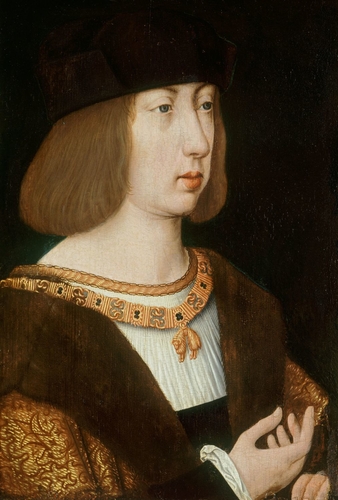
In 1496, at the age of 16, Juana was engaged to Philip, Duke of Burgundy, son of Maximilian I, Holy Roman Emperor (and also a Habsburg!). Juana and Philip had two sons and four daughters: Charles and Ferdinand would go on to become Holy Roman Emperors; and Eleanor, Mary, Catherine and Isabella would all be queens. And as far as arranged marriages go, theirs was a success in the romance department (Philip was known as Philip “the Handsome”, although judging from his portrait, we must have VERY different opinions of “handsome”…). With the way that Juana was devoted to Philip you would have thought he was the world’s greatest husband. But nothing was further from the truth. Philip had a notoriously wandering eye and controlling nature. Royal women in the 15th and 16th centuries did not have a lot of control, but decisions concerning their household were one area where they had dominion. But even this was not the case for Juana. Philip controlled her money, her servants, and where she went. The couple often got into passionate arguments, with Philip locking Juana up or depriving her of her children and servants, and Juana threatening to starve herself in protest. In one incident that was particularly damaging to Juana’s reputation, she became so jealous of one of Philip’s side-pieces that she attacked the woman. The result of this outburst and the passionate arguments that followed “was, understandably, a growing reputation for instability”. 

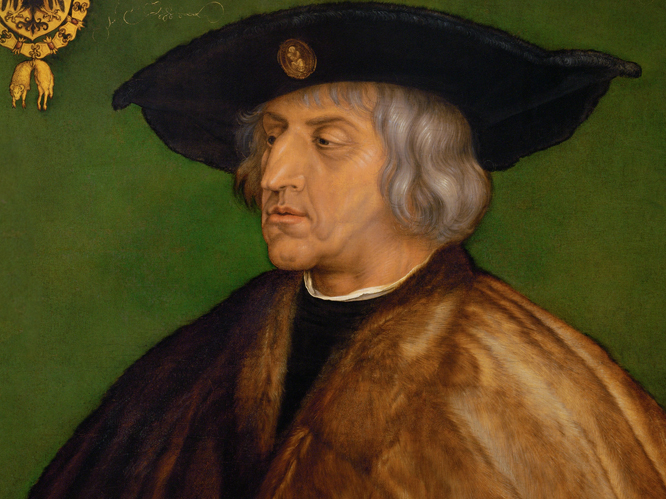
I understand that the definition of beauty evolves over time, but seriously, this guy was worth losing your mind over? me.me.

A Series of Unfortunate Events

Juana’s volatile marriage was already a significant stressor, but a series of unexpected deaths led to pressure of a different kind. In 1497, her older brother John died as a result of an illness. A year later, her older sister Isabella died in childbirth, leaving Isabella’s newborn son as the heir to Isabella and Ferdinand’s thrones. Sadly, the boy was dead before the age of two. Suddenly, Juana was catapulted to the forefront of her family-as the oldest surviving child, all roads pointed to her being named as the future Queen of Castile and Aragon. But although her position as lawful heiress should have been clear, her path to the throne would be anything but easy. Juana was surrounded by men who were greedy for power and, as we will explore in a couple of weeks, saw every opportunity to prey on her weaknesses.

After the death of her siblings and nephew, Juana traveled with her husband back to Spain in 1501, where Isabella hoped to get a good gauge on just how prepared her daughter was to inherit her legacy. Needless to say, Isabella and Philip did not have a warm and fuzzy in-law relationship, and Juana constantly found herself pinned in the middle of conflicts between her husband and her mother. Philip was eager to blow the popsicle stand that was Spain and did so at the first opportunity. Unfortunately, Juana was pregnant with their fourth child and couldn’t travel and so was left behind. You’d think it was a great opportunity to enjoy some much needed freedom from her overbearing other half, but Juana was beside herself with grief at being abandoned. Following the birth of their son Ferdinand, Isabella tried to convince Juana to remain in Spain, but Juana wore her mother down in a manner 15-year-old Stefanie would have been proud of. The heiress of Castile and Aragon “staged an astonishing display of histrionic, even hysterical, behavior… She refused to eat, to talk, or to sleep, she attempted to force a ship’s captain to prepare to sail, she stood in the driving rain and would not take shelter for hours….In the end her tantrums worked” (Fox), but at a price. Those who witnessed her behavior, including her mother, began to have serious doubts about her fitness as a ruler. 

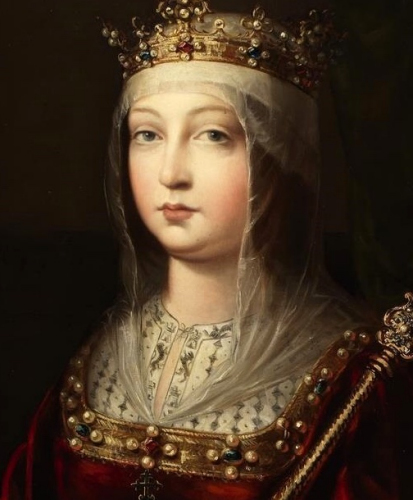
Imagine looking like Philip and thinking you could disrespect this queen (Isabella). That punk is lucky he never met his mother-in-law again following his departure from Spain. britannica.com.

Daddy Issues

And the matter of Juana’s fitness would prove to be pivotal. One year after Juana returned to Burgundy and to her husband, Isabella, Queen of Castile, died after years of failing health. If Juana had any dreams of actually ruling as queen, she would be sadly disappointed. Almost immediately, Philip flexed his muscles and set about positioning himself as the real man in charge, while King Ferdinand of Aragon teamed up with his son-in-law to “provide advice”. In reality, Ferdinand wanted control of Castile just as much as Philip. The two men took turns playing the role of Juana’s regent – a position usually used in the case of rulers who were underage. In 1506, Philip died suddenly at the age of 28, from either an unidentified illness or (less likely) poison (this has Agrippina the Younger written all over it…). Juana’s behavior following her husband’s death is history’s smoking gun for her label as “mad”. She was so devastated she supposedly “refused to leave the body’s side for months, frequently having Philip’s casket reopened to gaze upon and even kiss his corpse” (Town and Country). We can’t know for sure whether any part of that narrative is an exaggeration, but what we do know for sure is that all eyes were on Juana to see how she would react to the death of her husband. And it seems as if her behavior did nothing to instill confidence in the people of Castile.

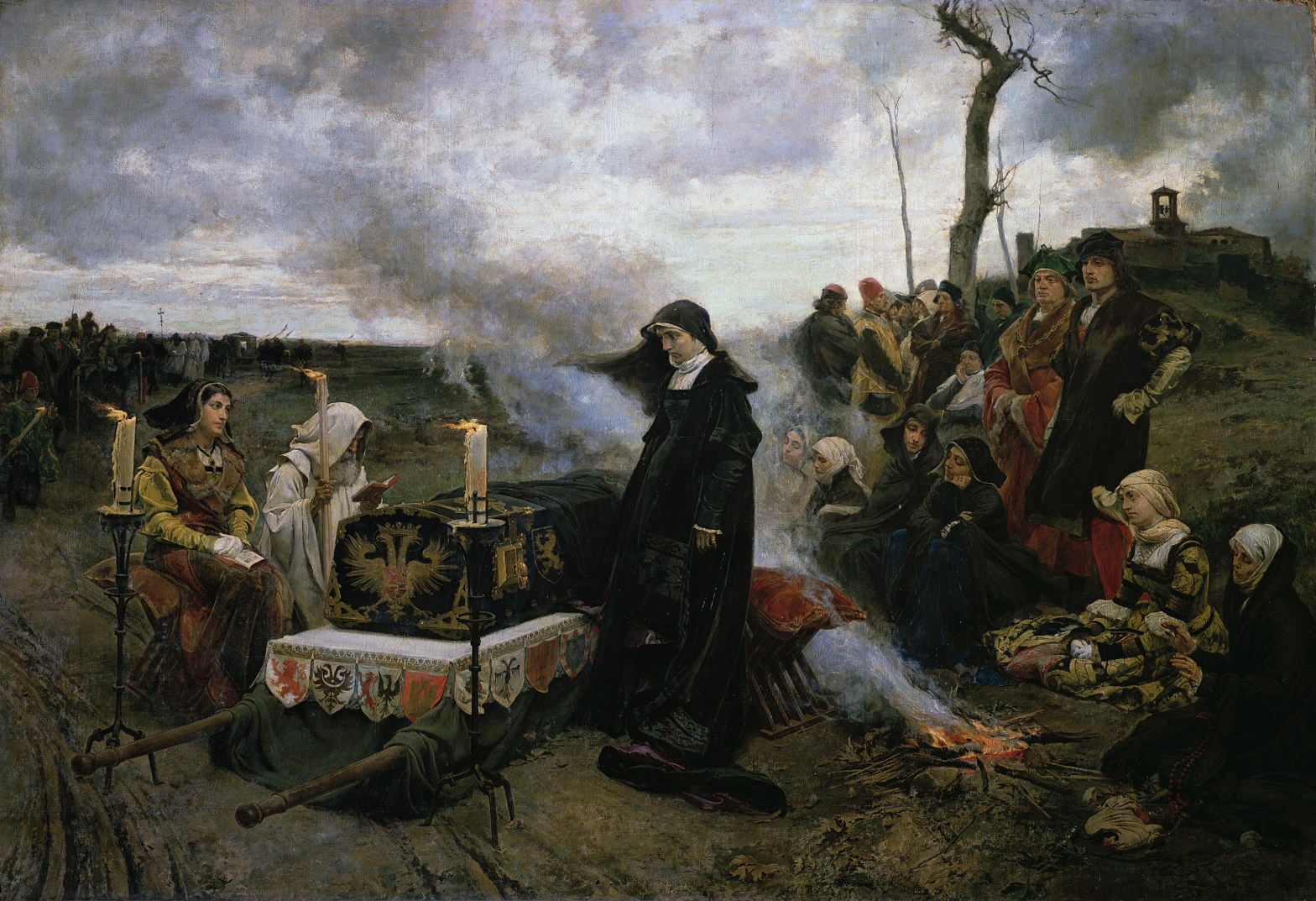
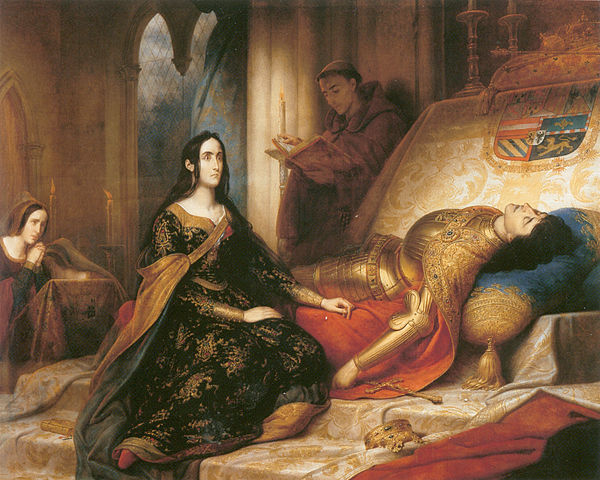
A 19th century painting of Juana keeping vigil over the body of her dead husband. Centuries later the stories of her behavior after his death continue to be the most well-known thing about her. Wikipedia.org.

With the death of Isabella and the absence of Philip as an oppressive babysitter, the throne of Castile should have unquestioningly been Juana’s. Remember: her father, Ferdinand, had no legal right to it. But, like many men of power (or just men tbh), Ferdinand was not phased by the rules, and like Philip, intended to wield power in Juana’s stead. To get the backing he needed required a strong ally. A year after his wife’s death, Ferdinand married King Louis XII’s niece (if Isabella, a noted French hater, wasn’t already dead, this would have killed her). Now Juana’s father had sole ownership of the regency, a powerful alliance with France, and a daughter who he could easily manipulate. In 1509, Ferdinand had Juana and her youngest daughter Catherine placed in a palace in Tordesillas and kept her there for the remainder of his life. 

One Is the Loneliest Number

Juana spent seven years under the “care” of her father. In reality, he only visited his daughter twice. In 1516, Ferdinand II of Aragon passed away. With her mother and father gone, the crowns of both Castile and Aragon were now solely Juana’s – in other words, she should have been the Queen of a unified Spain. Unfortunately for Juana, her father’s death did not end her captivity. Instead, a new jailer emerged: her own son, Charles, who continued to keep her at Tordesillas. In fact, Charles made sure that no one told his mother that Ferdinand was dead. Backed by allies of Spain, Charles declared himself “co-ruler” with his mother, with no actual intention of sharing the spotlight. His power and influence was cemented in 1519 when Charles’s grandfather, Holy Roman Emperor Maximilian I (father of Philip) died and Charles was declared Emperor. Although he was technically still “co-ruler” of Spain while his mother was alive, he effectively neutralized her influence by continuing to keep her prisoner “and kept her even more isolated than she had been under his father’s control”  (reference).

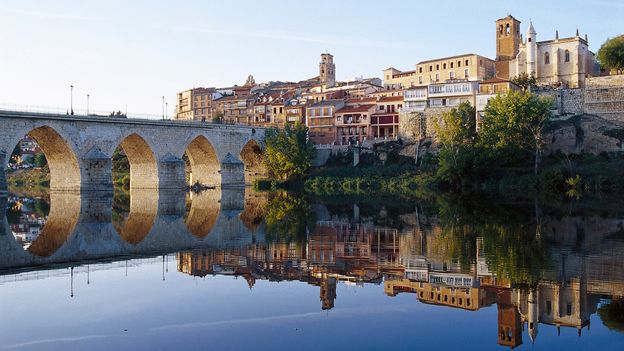
The beautiful town of Tordesillas. Too bad Juana never got to enjoy any of it. bbc.com.

I am not sure that anyone would react well to being contained to basically the same two rooms for several decades. Understandably, Juana did not always handle her imprisonment gracefully. She suffered from depression, something that both her mother and grandmother battled during their lifetimes. And she was prone to resorting to some of the same tactics she relied on in her youth when things were not going her way – starving herself, refusing to sleep, “even attacking the women set to guard her” (Fox). Perhaps the worst moment came when her daughter Catherine, who had remained at Tordesillas as her only companion, finally spread her wings and left her mother to get married. Juana “stayed for twenty-four hours in the corridor from which she had had her last glimpse of her daughter before shutting herself away and taking to her bed for two days, prostrate with despair” (Fox). Things did not improve after the departure of Catherine, and Juana remained isolated until her death in 1555 at the age of 75.

For over two-thirds of her life, Juana “the Mad” was kept under lock and key and under the control of the men who should have protected and supported her. Next week we will explore what, if anything, plagued Juana and made her particularly vulnerable to the ambition and greed of her husband, father and son. 


References

The Editors of Encyclopaedia Britannica. “Joan.” Encyclopædia Britannica, Encyclopædia Britannica, Inc., 8 Apr. 2020, http://www.britannica.com/biography/Joan-queen-of-Castile-and-Aragon.

Ferdinandy, Michael de. “Charles V.” Encyclopædia Britannica, Encyclopædia Britannica, Inc., 17 Sept. 2020, http://www.britannica.com/biography/Charles-V-Holy-Roman-emperor.

Fox, Julia. Sister Queens: the Noble, Tragic Lives of Katherine of Aragon and Juana, Queen of Castile. Ballantine Books, 2011.

Lauren Hubbard Writer Lauren Hubbard is a freelance writer and Town & Country contributor who covers beauty. “What Was Catherine of Aragon’s Sister, Juana La Loca, Really Like?” Town & Country, 10 June 2019, http://www.townandcountrymag.com/society/tradition/a27786471/catherine-of-aragon-sister-jua.

“The Madness of Juana of Castile.” The Tudor Society, 2 Mar. 2017, http://www.tudorsociety.com/madness-juana-castile/.

Tremlett, Giles. Isabella of Castile: Europe’s First Great Queen. Bloomsbury, 2017.

Up All Night

No Rest for the Roman

As we wrap up our series on Caligula, I want to return to one of his symptoms that I didn’t have time to examine closely in week two: insomnia. Insomnia affects roughly ten percent of the adult population, and is defined as difficulty falling or staying asleep that results in impaired functioning when awake. Insomnia, like many of the other disorders we’ve explored on ULTC, stems from a mix of genetic and environmental factors, such as stress. It’s therefore not surprising that in the midst of the unique challenges facing society in 2020, sleep disturbances are on the rise. “Coronasomnia,” as some people are calling it, has emerged from an increase in anxiety and a disturbance to normal routines, and has public health experts concerned. Sure, we all have a rough night’s sleep every once in a while. But how does this become an everyday occurrence? And what effect does a chronic lack of sleep have on your body during the day?

Don’t let the eyes wide open statue fool you. Caligula battled chronic insomnia. history.com

What Time Is It?

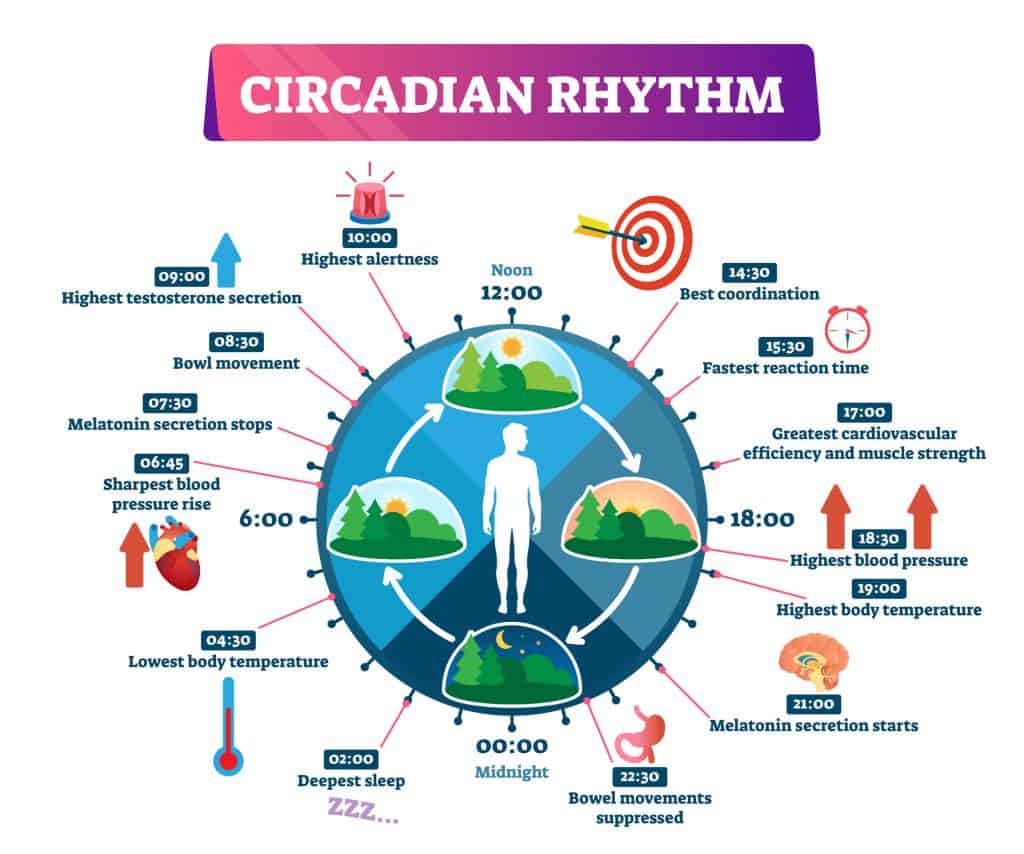
Whether you’re an early bird or a night owl, your body ebbs and flows on a 24-hour cycle called the circadian rhythm. Hormones, digestion, metabolism, body temperature, and more fluctuate throughout the day so that they peak at the right time for optimal sleep and wakefulness. For example, digestion is highest during the day when you’re eating, and lower at night so your sleep is not disturbed because of a bowel movement. 

A nice representation of how the circadian rhythm affects the body throughout the day, keeping in mind that this is different between individuals. Think about moving that important meeting to before lunch! precriptionhope.com

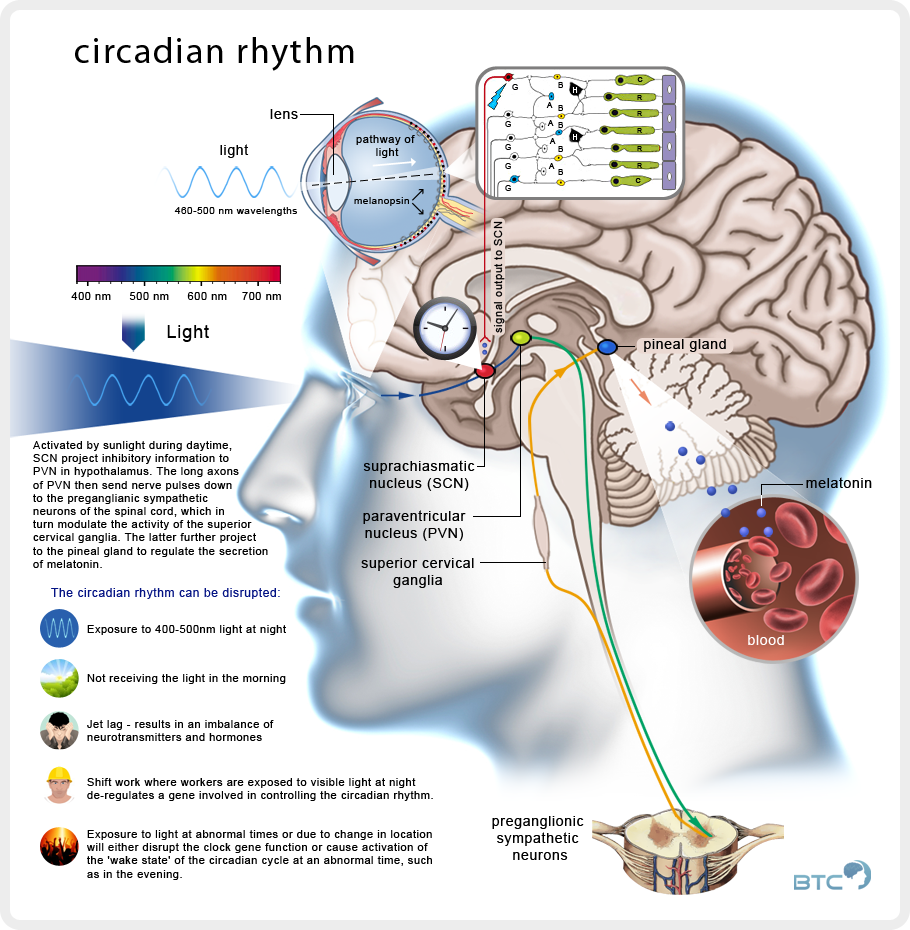
Like any efficient operation, the circadian rhythm requires keeping a tight schedule. Luckily, the brain contains a biological clock. Just above the place where the nerves from the eyes enter the brain, there is a small region of the brain called the suprachiasmatic nucleus (SCN) that makes sure tissues throughout the entire body have their “watches” synchronized, including those brain regions responsible for initiating sleep. The SCN uses a variety of information to set the biological clock, but is especially dependent on light. That’s why you’ve probably been told to avoid phone, computer, and TV screens before bed, as they tend to throw off the body’s internal signal that it’s time to wind down and catch some z’s.

This figure shows the inputs that the SCN receives (light, melatonin) and a variety of ways its signaling can be disrupted (jet lag, light at the wrong times). calories proper.com

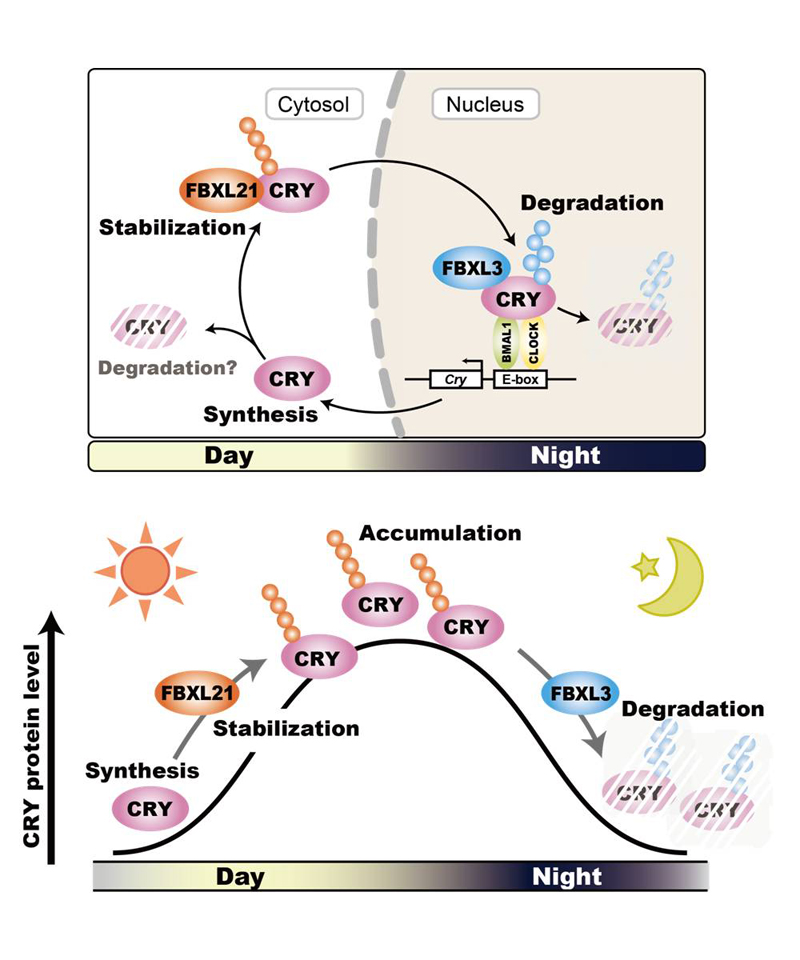
The molecular mechanisms that underlie the circadian rhythm were discovered in fruit flies initially, but have also been characterized in mammals. Two key proteins, called CLOCK and BMAL1 work together to turn on genes important for your body to function during the day. They also turn on genes that make proteins called CRY and PER. This creates a negative feedback loop in which CRY and PER work to turn off CLOCK and BMAL1. As a result, by the end of the day, CRY and PER have accumulated enough to suppress CLOCK and BMAL1, and the circadian rhythm moves through its night time phase. Throughout the night, CRY and PER levels decrease because CLOCK and BMAL1 are no longer active to produce them. So by the time the morning rolls around, CLOCK and BMAL1 are no longer inhibited, and the cycle can begin again.

On the top panel, this figure shows how CLOCK and BMAL produces CRY, leading to the inhibition. The bottom graph gives you an idea of how CRY levels fluctuate. They are highest at the beginning of the night, and then decrease by the morning so the cycle can start over. Hirano et al. (2013)

Sleepy Head

Many factors can throw off this remarkable biological cycle, resulting in short-term or chronic sleep disturbances. As many sleep specialists and neurologists seeing patients with “coronasomnia” can attest, stress is one factor that disrupts the circadian rhythm. Some hypothesize that this is because anxiety creates a state of “hyperarousal” in the brain, making it harder to initiate sleep. In addition, stress can disrupt the endocrine system, which provides key input to the SCN, thus throwing off the circadian rhythm.

In addition, changes in routine can alter the circadian rhythm. If you’ve ever experienced jet lag, then you know what happens when the light-dark cycle of your environment doesn’t match up with your internal clock. While global travelers adapt after a couple of days, people who work night shifts may have a harder time rectifying their circadian rhythm, which has been linked to increased risk of depression and alcoholism. 

Some forms of insomnia have been linked to genetics. There are inherited forms of Advanced Sleep Phase Syndrome, where patients go to bed very early and wake very early, that can be caused by mutations in a gene that encodes one of the PER proteins. In addition, there is a fatal form of familial insomnia that can be caused by a mutation in the same protein that causes mad cow disease. This protein accumulates in the thalamus, a key area controlling the sleep-wake cycle that is regulated by the SCN. 

Anyone who has struggled to make it through the day after an all-nighter is familiar with the unpleasant effects of sleep deprivation. When this becomes a chronic issue, the consequences become more serious. Although it’s unclear the direction of the relationship, insomnia is associated with increased risk for depression and exacerbates conditions like hypertension and diabetes. Lack of sleep also impairs motor skills and reaction time, putting insomniacs at increased risk for accidents. A burgeoning area of neuroscience research is how circadian disturbances are linked to neurodegenerative diseases like Alzheimer’s.

If this graphic doesn’t give you the motivation to get your 8 hours tonight, I don’t know what will. postivehealthonline.com

Sleep On It

Clearly, sleep debt has wide-ranging effects, from diet to mood to attention. This makes sense because the circadian clock controlling sleep cycles also regulates a variety of critical biological processes that fluctuate cyclically. It’s easy to imagine how insomnia contributed to Caligula’s mental illness and poor leadership.

With that in mind, I recommend you also catch up on your sleep, because we will be back next week with a brand new series, and you won’t want to miss a moment!


References

Colten, H. R., & Altevogt, B. M. (2006). Sleep disorders and sleep deprivation: An unmet public health problem.

Fatal Familial Insomnia. (2018, April 20). Retrieved from https://rarediseases.org/rare-diseases/fatal-familial-insomnia/

Karin Brulliard, W. W. (2020, September 03). The pandemic is ruining our sleep. Experts say ‘coronasomnia’ could imperil public health. Retrieved from https://www.washingtonpost.com/health/2020/09/03/coronavirus-sleep-insomnia/

Patke, A., Young, M. W., & Axelrod, S. (2019). Molecular mechanisms and physiological importance of circadian rhythms. Nature Reviews Molecular Cell Biology,21(2), 67-84. doi:10.1038/s41580-019-0179-2

Roth, T. (2019, November 14). Insomnia: Definition, Prevalence, Etiology, and Consequences. Retrieved from https://jcsm.aasm.org/doi/full/10.5664/jcsm.26929

Shiel, W. C., MD. (2018, December 11). Definition of Familial advanced sleep-phase syndrome (FASPS). Retrieved from https://www.medicinenet.com/script/main/art.asp?articlekey=15873

Suni, E. (2020, September 03). What is Circadian Rhythm? Retrieved from https://www.sleepfoundation.org/articles/what-circadian-rhythm

Vitaterna, M. H., Takahashi, J. S., & Turek, F. W. (n.d.). Overview of Circadian Rhythms. NIAAA.

From Hero to Nero

The Players

Out of Sight, Out of His Mind

Whether Caligula’s brain was permanently altered that day in October A.D. 37 when he fell critically ill, or the demons of his youth finally caught up with him, it is clear from the historical records available to us that there was a distinct difference in the infamous emperor before and after. According to the Ancient Roman historian Suetonius, who claimed that Caligula suffered from a “brain sickness”, the emperor “was aware of [his] mental illness and at one time spoke of taking a break to recover from it” (Dando-Collins). And even though Caligula’s reign was brief, less than four years, it was not without its mark on history.

By A.D. 41, influential members of the Roman government had grown to hate Caligula so much that murdering him seemed like the only way forward. However, historical records would suggest that their sentiments were not necessarily shared by the greater Roman population, as the ruling class seemed to be absorbing the brunt of the emperor’s cruelty. Following Caligula’s assassination, the people of Rome were distraught. When they heard the rumor that the murderers were loose in the city, citizens literally took up arms to avenge their emperor. When the military announced that Caligula’s Uncle Claudius would be his successor, they embraced him. After all, he was the brother of their beloved Germanicus and a member of the great Caesars. Immediately upon taking the throne, Claudius set out to erase any trace of his “mad” nephew, determined to validate his reign by making the people forget about the last four years with Caligula. He abolished the religious orders dedicated to worshipping the late emperor and his sister Julia Drusilla, and cancelled or knocked down the many building projects Caligula had funded to cement his legacy.

We’re Far From the Shallow Now

As we know, Caligula lived in the shadow of his father, who enjoyed the highest honor in Ancient Rome for his military accomplishments. Once emperor, Caligula set his sights on a prize that could cement his legacy – Britain, or Britannia in Latin. He marched his forces, made up of Roman soldiers and their allies, to what was mostly likely the shores of France. However, after extensive planning and effort, the emperor ended up abandoning his plans for invasion. He had tens of thousands of men march hundreds of miles, and in the end all they had to show for it was some seashells that he ordered his soldiers to collect. Understandably, historians like Seutonius have pointed to this incident as one of the examples of Caligula’s mental instability. But while Caligula and his army may not have executed on their plans for invasion, their mobilization did set the foundations for his Uncle Claudius to successfully invade Britain three years later. What had seemed like a manifestation of Caligula’s instability actually prepared Claudius’ forces to readily mobilize and invade the highly coveted island.

After marching his army to the shores of France and abandoning plans for a British invasion, Caligula apparently declared war against the god of the sea. The seashells were evidence of their victory. reddit.com.

The Roman Empire’s attempts to conquer Britain would continue for many more decades, but under Claudius (really under his military, there is no indication that he himself was anywhere near the military man that his brother Germanicus was) the Roman army and its allies celebrated some significant wins. Claudius was honored with the military prestige that Caligula had longed for.  

Monument-al Mistake

As Caligula was pursuing military glory, he was also seeking praise of a higher order – religious. After declaring himself to be a god, Caligula attempted to spread his new religious order throughout his empire “so the world could worship him” (Dando-Collins). He ordered a massive statue of himself to be built and installed in the Temple of Jerusalem, causing outrage among the Jewish population. This was seen as a huge slap in the face, “desecrating the symbolic center of the Jewish Diaspora” (Misano) and stoked the fires of anti-semitism throughout Rome. 

Historically the relationship between the Jews and the Romans had been complicated, but they managed to coexist. Romans were content to allow the Jewish people to worship their God without interference, as long as they continued to show loyalty to their emperor. But after his dramatic change in personality and policy, Caligula was determined that the Jewish people would not be an exception to any of his new rules. It took much convincing from the governor of Jerusalem to convince Caligula to abandon his plans for his statue. The emperor’s carelessness when dealing with the potential revolt of millions of his citizens set off alarm bells among Caligula’s peers who felt that his obsession with being worshipped was just one of the many indications that he was less of a leader and more of a tyrant. Caligula’s  “reign saw the first serious outbreak of anti-semitism in the Roman world,” (Barrett) surely not what he had in mind in the early days of his rule when he dreamed of leaving a lasting impression on his empire.

The Second Temple of Jerusalem was built in 515 B.C. Almost 600 years later, Caligula didn’t have any qualms about moving a giant statue of himself into the living room. en.wikipedia.org.

Can’t Be Tamed

The Senate also learned some valuable lessons from Caligula’s brief stint on the throne. Although he was not the first emperor (that honor belonged to his ancestor Augustus), “he was the first Roman emperor in the full sense of the word, handed by a complacent senate almost unlimited powers over a vast section of the civilized world” (Barrett). Caligula was young when he came to power and had no leadership experience, having spent the majority of his young adult life under the debaucherous thumb of Tiberius and confined to the island of Capri. As emperor, he was (perhaps unintentionally) handed unlimited power and funds. Caligula ran roughshod over the same governing body of Rome that had provided past emperors with necessary checks and balances. Once he was forcefully removed from the throne (and from Earth…), the senate wanted to “revert back to a republic” (Dando-Collins). This was why they murdered Caligula’s wife and child – to eliminate legitimate heirs that could pose a challenge to their plans. Ultimately the senate lost that battle to Claudius’ supporters.

Caught In a Bad Rome-ance

Perhaps the biggest consequence of Caligula’s untimely death was that it opened the door for his sister Agrippina the Younger to pursue her lofty ambitions – it seems she was a little salty from the years she spent in exile after she was involved in a plot to overthrow her brother. In A.D. 48, Claudius had his wife executed for planning to overthrow him (women and their plotting….am I right?) and the search began for a new wife. How convenient then that Agrippina should find herself newly single after her second husband had mysteriously died (it’s believed that she poisoned him). But wait, you say – Agrippina was Caligula’s sister, and Claudius was Caligula’s uncle. So, wouldn’t that make Claudius Agrippina’s uncle as well? Ding ding ding! Emperor Claudius received special permission to marry his niece Agrippina and subsequently adopted Agrippina’s son Nero.  

One of the most famous stories of Nero is that he played music as he watched the city of Rome burn. Although most likely fictional (the music part, not the fire), it emphasizes how history has not been kind to Nero’s reputation. classicfm.com.

Claudius also had a son, Britannicus, from one of his previous marriages. Agrippina had Britannicus poisoned, clearing the way for her son Nero to be named Claudius’ heir. Then, she supposedly had her uncle-husband poisoned as well. Nero would go on to become the only Roman emperor perhaps more infamous and cruel than his Uncle Caligula. He grew to resent his mother’s meddling and had her executed in A.D. 59. Whereas Caligula was hated predominantly by the upper echelons of society, Nero’s cruelty actually earned him the title  “enemy of the people”. When it became clear that Nero would no longer be able to hold his throne, he took his own life, ending the nearly 100 year reign of the Julio-Claudian dynasty.

If You Ain’t First You’re Last

The Julio-Claudian dynasty was certainly a dynasty of firsts, both good and bad. Augustus was the first emperor of Rome. Caligula was the first emperor to be assassinated and his nephew Nero was the first emperor to commit suicide. Both Caligula and Nero are remembered two thousand years later for their exceptional cruelty and perceived madness. But it is the opinion of this particular historian that Caligula has been largely misrepresented throughout history. There is no denying his inflated ego and his cruelty, but as we explored last week there are several possible factors that worked in concert with one another that can explain his behavior. It is not as simple as saying “Caligula was a madman”. Everyone had high hopes for Caligula’s reign when he took the throne, including the young man himself. And although he spent his entire life with the poor example of Tiberius as emperor, he had seen in his father what endeared a leader to his people. 

The five emperors of the Julio-Claudian dynasty are highlighted with a bold line. The complicated nature of Ancient Roman family trees is evident by the additional cast of characters. pinterest.com.

In the beginning Caligula made a strong effort to emulate Germanicus and leave a lasting positive legacy. He entered his reign with the same idealistic and wide-eyed ambition that Henry VIII embraced when he took the British throne 1,500 years later. But, as with Henry, that sadly did not last. As Riley proposed, a combination of Caligula’s troubled childhood, his sudden illness, and the nature of Roman society likely culminated to create a ruler that his father most certainly would not have been proud of. 

We also should not ignore the fact that the few short years of Caligula’s reign were not actually a tragedy of the magnitude that his reputation would suggest. When Claudius was handed the throne after the death of his nephew, he inherited a strong Roman Empire. With all of the resources we have at our fingertips today, we must approach history with a discerning eye. Who are the sources and what was their relationship to the subject? Did they know the subject or are they writing with second-hand knowledge? Can any of the subject’s actions be understood in the context of the time period? Remember, what you see is not always what you get.


References

Barrett, Anthony A. Caligula: the Corruption of Power. Routledge, 2009.

Dando-Collins, Stephen. Caligula: the Mad Emperor of Rome. Ingram Pub Services, 2019.

Marcomisano. “Ancient Rome and Judea: Caligula and the Temple of Jerusalem.” Jewish Rome Tours by Marco Misano (RomanJews), 21 Dec. 2019, http://www.romanjews.com/ancient-rome-and-judea-caligula-and-the-temple-of-jerusalem/.

The Editors of Encyclopaedia Britannica. “Caligula.” Encyclopædia Britannica, Encyclopædia Britannica, Inc., 27 Aug. 2020, http://www.britannica.com/biography/Caligula-Roman-emperor.

The Editors of Encyclopaedia Britannica. “Julia Agrippina.” Encyclopædia Britannica, Encyclopædia Britannica, Inc., 1 Jan. 2020, http://www.britannica.com/biography/Julia-Agrippina.

Toynbee, Arnold Joseph. “The First Triumvirate and the Conquest of Gaul.” Encyclopædia Britannica, Encyclopædia Britannica, Inc., 1 Nov. 2019, http://www.britannica.com/biography/Julius-Caesar-Roman-ruler/The-first-triumvirate-and-the-conquest-of-Gaul.

Rome Sick

They Know His Name, Not His Story

Caligula was a traumatized child, exposed to extreme depravity, and shaped by the assassinations of his family members. Caligula was an egotistical tyrant, a debaucherous psychopath, a frivolous fool. He was insane. He was immoral. He was a victim. He was a villain. 

Who was the real Caligula? Our historical sources on this controversial figure are limited. Of the authors that wrote about him, none were alive during his reign, and all were potentially biased by political interests. It’s hard to determine if the “little boot” was scarred by a traumatic childhood, afflicted by a mental illness, or simply an evil emperor. 

The medical information we have about him seems murky as well. Diagnoses that have been proposed have run the gamut of alcoholism, bipolar, depression, temporal lobe epilepsy, dementia, encephalitis, and syphilis. But the case of Caligula illustrates an important point about mental and neurological diseases: it’s rarely just one thing. The case of Caligula isn’t as clear cut as one would like. He is the traumatized child; he is the mentally afflicted young man; he is the self-centered ruler.

Who was the real Caligula: harmless horse boy or vengeful tyrant? artco.uk.


Trauma King

As Stefanie told us last week, Caligula did not have an ideal childhood. His father died, possibly poisoned by his jealous adoptive father, Tiberius. Seven years later, Caligula’s mother and brothers were exiled by Tiberius (and later killed), forcing him to move in with his great-grandmother. After she died, he was taken in by his grandmother. Eventually, Tiberius ordered Caligula to live with him. If the historical sources are to be believed, Caligula spent the next years being forced to partake in depraved sexual acts and pretending like Tiberius didn’t murder his entire family and ruin his childhood so that he wouldn’t also end up dead. Yep, sounds pretty traumatizing to me. 

Some academics suggest that Caligula’s behavior as emperor can be explained by the psychological effects of his early life experiences. Psychological and neuroscientific literature are filled with studies investigating the long-term effects of childhood stress. In fact, trauma is even defined in our trusty old friend the Diagnostic and Statistical Manual of Mental Disorders as “actual or threatened death, serious injury, or sexual violence.” The murders of Caligula’s family members and his forced participation in orgies seem to fit the bill.

As you can imagine, experiencing serious and chronic stress while your brain is still developing can have lasting consequences. It has been observed that children who experience trauma are more likely to go on to have mental health issues, such as addiction, PTSD, or depression. Childhood stress can also alter brain development, the immune response, and cognitive abilities.

Childhood trauma has wide-reaching consequences in the long-term. Childtrends.org

One popular model of childhood trauma is the maternal separation stress paradigm. Researchers use this as a developmental rodent model of mood disorders, including anxious behaviors and increased alcohol consumption (yes, mice have been known to throw back a drink or two). Not only does this separation deprive pups of tactile and auditory cues from their mom that are important for development, it also activates the neuro-endocrine stress response. It is the release of stress hormones that is believed to mediate the long-term effects of childhood trauma. So, yes, Mom, leaving me at home to do yard work with Dad while you went grocery shopping literally was traumatic. 

Interestingly, the effects of this model depend on the duration of maternal separation as well as the age and sex of the mice used. A 2010 paper from researchers at the Universidad Autonoma de Puebla in Mexico isolated newborn male mouse pups for two hours per day for the first 12 days of their lives. The researchers later looked at three different brain regions involved in mood disorders in these mice before or after they went through puberty. They were particularly interested in looking at the structure of neuronal dendrites, which are the part of the cell that make connections with other cells and receive information. They measured three different aspects of dendrites: the number of dendrites within a region, the length of the dendrites, or how structurally complex they are.  The researchers found that maternally separated pups had shorter, fewer, or less structurally complex dendrites in all three regions. These changes imply altered signaling in these regions, which could potentially contribute to mood changes. Importantly, these differences in stressed versus unstressed pups were worse after puberty than before it.


This figure is quantifying the density of spines (B), the part of the dendrite that receives information, and dendrite length (C) in the hippocampus of mice before (35 days) and after (60 days) puberty. The gray bar represents mice that were separated from their mothers, and you can see that these mice had fewer spines and shorter dendrites only after puberty. Monroy et al., 2010. 

If we think about these data in terms of Caligula’s experiences, we can understand that his tumultuous childhood likely could have had biological consequences. Moreover, it’s not improbable that these effects would not have manifested themselves until he was a young adult. As you might remember from our Charles VI series, this is a particularly common time for young men to develop mental illness. Therefore, the idea that Caligula was shaped as a ruler by his trauma and that he was also mentally ill are not in conflict. However, the question of what exactly Caligula was ill with is a more difficult question.


Fire Away

In addition to his childhood increasing the likelihood of Caligula developing a mental disorder, his genetics also may have put him at risk. A 2017 paper analyzed historical records of the men in Caligula’s family and proposed potential mental illnesses and neurological diseases that might have afflicted them. Their final list included Parkinsonism, migraine, dementia, learning disorders, alcoholism, and depression. Intriguingly, of the 12 men they investigated, they found evidence for epilepsy in over half of them. 

The Julio-Claudian family may have been powerful, but they didn’t have the best pedigree. Camargo et al., 2010.

Epilepsy is a group of disorders characterized by seizures. A seizure is a sudden burst of electrical activity in the brain caused by an imbalance of excitatory and inhibitory communication between neurons. There are many different kinds of seizures, and they can be grouped by where they occur in the brain, how much of the brain they affect, and the effect they produce externally. While we usually think of someone laying on the ground, shaking uncontrollably, seizures can look very different. For example, someone may stiffen like a board, or even stare absently into space.

This figure shows electrical recordings (EEGs) from a normal patient and an epileptic patient at baseline or during a seizure. You can see that the frequency of activity increases during the seizure. Ebrahimpour et al., 2012.

The records we have seem to suggest that Caligula’s seizures were limited to his childhood. In fact, this makes sense. Childhood epilepsy is typically “grown out of” and is the form of epilepsy that scientists have found the most evidence of genetic inheritance for, explaining his family history. Most of these genetic risk factors are mutations in ion channels that bring charged particles in and out of neurons to maintain an appropriate electric charge. Disturbing ion transport can therefore lead to the changes in electrical activity that produce seizures. 

Caligula’s epilepsy may also be connected to his insomnia. One study from 2019 found almost 25% of adults with epilepsy experienced insomnia. In addition, while Caligula may have eventually stopped having seizures, childhood epilepsy increases the risk for social impairments and mental illness later in life. 

But what exactly caused Caligula’s abrupt personality change as an adult? Early onset dementia, alcoholism, bipolar disorder? Many theories have been proposed, but unfortunately, it’s hard to say for sure with the quality of sources available to us. However, the most notable detail we have is that Caligula became reckless, cruel, and egotistical after falling ill in October A.D. 37. Severe infection can induce a range of longer term neurological problems, one of them being encephalitis.

MRIs of normal and encephalitic brains. The bright white spots show active areas of inflammation. HHV-6 Foundation.

Encephalitis occurs when a virus infects the brain. The immune system, which is generally minimally active in the brain in order to prevent damage, is activated, causing massive inflammation. We don’t really know what symptoms Caligula experienced when he was sick, but encephalitis usually presents with fever, visual impairments, headache, and seizures (note: we don’t know whether Caligula had any seizures as an adult). It is noted that it took him about a month to recover from his illness, which is consistent with the recovery period for encephalitis. But even after patients recover from encephalitis, the inflammation and damage caused by the immune system can cause a host of lasting changes, including personality changes, behavioral problems, loss of emotional control, impairments in planning and problem solving, and depression. So maybe a simple virus can explain how Caligula went from respected leader to a financially irresponsible, romantically reckless, self-aggrandizing totalitarian. But maybe it had less to do with what was going on inside Caligula’s head and more to do with what surrounded him.


Sign of the Times

Some scholars have looked at Caligula’s behavior through a different lens; that of the time period in which he lived. Ancient Rome wasn’t exactly the moral capital of the world, and it can be argued that Caligula’s behavior “displayed only in an exaggerated fashion the weaknesses of his time – prodigality, immorality, hedonism, cruelty and extravagance in all things” (Sandison). Thus, it’s possible that some of Caligula’s behavior that we interpret as a result of mental illness actually reflected his culture. Marrying and divorcing four women in a row, for example, illustrates the sexual attitudes of the time. His trouble with personal finances were influenced by the luxury surrounding him. Stefanie pointed out last week that the cruelty of forced suicides were commonplace in ancient Rome. Even Caligula’s insistence that he be worshipped as a god could be explained by the great power he held and the widespread approval he got from his subjects. It has been suggested that his power to elevate others, like his sister, to the level of a deity, which past Roman leaders had done, led him to desire to be a god himself. Caligula certainly wouldn’t be the first leader in history to be corrupted by power (cough, Bill Clinton).

Caligula’s sexual indiscretions and violent streak weren’t exactly out of place in ancient Rome. Wikimedia Commons.

This theory doesn’t explain all of Caligula’s behavior, but it’s important to consider the greater context. Even today we often are tempted to point to a mental or neurological illness to explain behavior in leaders that we don’t agree with. “Trump has narcissistic personality disorder.” “Biden has dementia.” How much greater would the temptation for labeling be if you were ruled by a paranoid, cruel, hedonistic emperor? It can be more uncomfortable to admit that someone just genuinely isn’t a good person. But simply explaining away their behavior by assuming they are mentally ill not only minimizes the need for personal responsibility, but also stigmatizes people who do have mental illness or neurological diseases. The vast majority don’t become vengeful womanizers. As we talked about during the Henry VIII series, Caligula’s brain might explain the personality changes he experienced, but it’s not the full picture.


An Enigma, Wrapped in a Mystery, Inside an Enigma

To some extent, the truth about Caligula will always remain a mystery. His reputation as the “maddest” emperor in history makes for a juicy narrative, but probably isn’t accurate. Caligula’s shortcomings as a man and ruler were likely multifactorial. The combination of a traumatic childhood and the societal influences of Ancient Rome alone could explain some of his exaggerated behavior. While sources vary greatly in their depiction of Caligula’s madness, they seem to agree that he experienced an abrupt personality change after a serious illness. Many of his symptoms are consistent with viral encephalitis.

In reality, none of these factors operate in isolation. The most likely explanation to me is that Caligula’s early life stress put him at increased risk for mental illness later on, and the onset was precipitated by an infection. His odd behavior was influenced by the culture of excess that he lived in. This is the only way we can reconcile all of the records we have of Caligula; that he was scarred, mentally ill, and a product of his times. Don’t believe everything you read in the history books.


References

(n.d.). Retrieved from https://www.nhs.uk/conditions/encephalitis/complications/

Camargo, C. H., & Teive, H. A. (2018). Searching for neurological diseases in the Julio-Claudian dynasty of the Roman Empire. Arquivos De Neuro-Psiquiatria,76(1), 53-57. doi:10.1590/0004-282×20170174

DeBellis, M. D., & Zisk, A. (2014). Th Biological Effects of Childhood Trauma. Child and Adolescent Psychiatric Clinics of North America,23(2), 185-222.

Epilepsy: Impact on the Life of the Child. (n.d.). Retrieved September 8, 2020, from https://www.epilepsy.com/article/2014/3/epilepsy-impact-life-child

Monroy, E., Hernández-Torres, E., & Flores, G. (2010). Maternal separation disrupts dendritic morphology of neurons in prefrontal cortex, hippocampus, and nucleus accumbens in male rat offspring. Journal of Chemical Neuroanatomy,40(2), 93-101. doi:10.1016/j.jchemneu.2010.05.005

Remaly, J. (2019, June 17). Insomnia symptoms correlate with seizure frequency. Retrieved from https://www.mdedge.com/neurology/article/200717/epilepsy-seizures/insomnia-symptoms-correlate-seizure-frequency

Sandison, A. T. (1958). The Madness Of The Emperor Caligula. Medical History,2(3), 202-209. doi:10.1017/s0025727300023759

Sidwell, B. (2010). Gaius Caligula’s mental illness. Retrieved from https://www.ncbi.nlm.nih.gov/pubmed/20213971/

Zhang, D., Liu, X., & Deng, X. (2017). Genetic basis of pediatric epilepsy syndromes. Experimental and Therapeutic Medicine,13(5), 2129-2133. doi:10.3892/etm.2017.4267

The Emperor’s New Groove

The Players


Brutus Is Just As Cute As Caesar

Welcome back to our regularly scheduled programming! I wish I could say, “I hope you had a great summer”, but I think we all know how our summers went. As we enter into fall and gear up for election season, ULTC is going back to the empire that first brought us the concept of a republic. That’s right, we are taking this time machine back 2,000 years to the Roman Empire and this week’s subject is one of it’s most infamous rulers. You may not be familiar with the name ‘Caligula’, but you definitely know his family – the Caesars. Julius Caesar, the man who inspired my favorite salad dressing, was a Roman politician and general who ruled as dictator before being stabbed to death by a number of friends turned assassins (most notably Brutus, as we were all taught by Gretchen Wieners).

The murder of Julius fueled the fires of civil war in Rome, with his great-nephew/adoptive son Octavian taking up his mantle and squaring off against Marc Antony for power (this is the Marc Antony who killed himself upon incorrectly learning that his lover Cleopatra had died while fleeing Octavian’s invasion). Octavian was the last man standing, and took the name Augustus as the first Roman Emperor. Caligula, our focus this month, was Augustus’ great-grandson.

An important note for making sense of the family trees during this period (if you think incest was a prominent theme in our previous subjects…) – it was a common practice for Roman men, including emperors, to adopt male relatives as their “son” and heir. Unlike the monarchies we have explored up to this point, an heir didn’t have to be the legitimate son of the ruler, or really even blood related, as long as he was legally recognized as such. Hence how Octavian/Augustus was the great-nephew AND adopted son of Julius Caesar. 


These Little Boots Were Made For Walkin’

Caligula, or Gaius Julius Caesar Germanicus, lived a life in the spotlight from the moment he was born. He was given the nickname “Caligula”, which means “little boot”, by the soldiers his father commanded because of the cute little uniform he would wear. For the first years of his life he lived with his parents at military camps and traveled with his father Germanicus on official business. Germanicus was the nephew and adopted son of the then-emperor Tiberius, and was greatly loved by his soldiers and the people of Rome. He was respected not only because of his impressive heritage, but also for his fairness as a leader and for his military genius. It was widely understood that when Tiberius died, Germanicus would take the throne. 

Unfortunately, Germanicus’ life was cut short prematurely when he died at the young age of 33. His family believed he was poisoned at the behest (or at the very least, the encouragement) of his adopted father Tiberius, who was jealous of how popular Germanicus was. Caligula’s mother and brothers also died as a result of Tiberius’s jealousy, but Tiberius chose to keep Caligula alive and under his watchful eye. It may seem strange that Tiberius chose to keep one of Germanicus’s sons alive, but with no sons of his own, it behooved him to spare Caligula’s life and keep him as a possible heir, owing to the fact that he was family after all and the boy’s father was greatly loved even in death.

A painting depicting Tiberius’ court of debauchery on the island of Capri where Caligula spent much of his youth. wikiart.org.

Although Caligula was undoubtedly grateful to be alive, growing up in Tiberius’s court of debauchery was not the ideal situation for any teenager. Tiberius’s vices included orgies and young boys, and ‘all indications point[ed] to Caligula being sickened by this lifestyle. [However Caligula] learned that, to survive, he must always be agreeable to whatever Tiberius wanted” (Dando-Collins). And apparently what Tiberius wanted was for his son/nephew to partake. Caligula lived in constant fear for his life – never knowing if Tiberius’ regularly changing mood would convince the emperor that Caligula was too much of a threat to keep alive. Then when Caligula was 24, Tiberius died (or was very possibly murdered – in Ancient Rome it was always a 50/50 toss-up). Before his death, Tiberius had officially named Caligula his successor and just like that, “little boot” was the leader of the most powerful empire in the world.


Are You Not Entertained?

For the first six months of Caligula’s rule, all signs pointed to a bright future for the son of the beloved Germanicus. The young emperor was ready to enjoy his life now that he was no longer suffocated by Tiberius. In particular, he had a great passion for the theatre and was often known to take the stage. To the dismay of his mentors and councillors, he sometimes even dressed as a woman to portray female characters. He also came out of the gates hot with a series of popular policies – he got rid of a law that made it easy to charge someone with treason on bogus grounds (this had happened to his mother and brothers), he made it legal to read books that Tiberius and Augustus had banned, and he added an extra day to the Saturnalia festival (what would eventually evolve into what we know as our Christmas holiday). It didn’t stop there. “Caligula restored democratic electoral procedures….[and] he also made it possible for more commoners to advance to the Equestrian Order (an aristocratic class), improved the legal system, and over-hauled the tax system” (Dando-Collins). Fun Fact: One of the prisoners pardoned as a result of Caligula’s popular measures was Pontius Pilate. Yes, that Pontius Pilate. The one who handed Jesus Christ over to the crowds for crucifixion. You hate to see it.

Then, seemingly overnight, Rome found itself led by a very different man. Caligula fell ill in October of AD 37 as a result of a pandemic that swept across the empire (some things never change!) When he recovered weeks later, the historians of the time recorded that the emperor was no longer the optimistic and enthusiastic leader who was so eager to use his power for good. He was mean, with a short temper and an inflated ego. It was at this point in his life that he began to insist that he be worshipped as a god. He took a series of wives after forcing their husbands to divorce them, only to divorce them himself after a matter of days or weeks. And then in a complete 180, Caligula reinstated the previously mentioned treason law and introduced new taxes.

The Roman Empire spanned from Europe, to Northern Africa, to East Asia, including Judaea where Pontius Pilate was governor and infamously handed Jesus over to be crucified. history.com.

It is also well-documented that during his short time on the throne, Caligula suffered from extreme insomnia and “never managed more than three hours sleep in any one night” (Barrett). He could often be found rome-ing (get it??) his palace in the middle of the night (I guess no one had told the Romans about the wonders of melatonin).

One of the most barbaric practices common during this time, and certainly not unique to Caligula, was forced suicides. Instead of executing someone for their crimes, elite members of society were often given the honorable choice to take their own life instead – and Caligula made use of this practice with special cruelty following his illness. Caligula had adopted his cousin, Gemellus, when he took the throne and now ordered him to death (it’s unclear if Gemellus was actually guilty of anything, or if the emperor was just paranoid that he was gunning for the throne). He was given a sword to kill himself with (and reportedly had to be shown how to use it to do the deed). In addition to Gemellus, the man responsible for helping Caligula to the throne, Macro, also met the same unfortunate fate. Again, it was not the fashion in which Caligula ordered these deaths that was brought concern, but the fact that these two men had once been considered close allies of the emperor.

Too Close For Comfort

With Caligula’s father, mother and brothers gone, his remaining family included three sisters – Agrippina the Younger, Julia Livilla, and Julia Drusilla. There are several ancient historians who claim that Caligula had an incestous relationship with his sisters, but this was never proven and could very well have been a product of gossip aimed at tarnishing Caligula’s reputation. But I wanted to mention it in case you are one of our readers who is here for that particular theme (no judgement!). Caligula did have an extremely close bond with Julia Drusilla. When she died at the age of 21 he was devastated and had Julia Drusilla declared a goddess, with temples and religious orders dedicated to worshipping her. He also named his only child, his beloved daughter, after her (Caligula had finally settled on marrying one woman and was dedicated to her for the short remainder of his life).

If you ask my brother, being surrounded by this many women was enough to drive Caligula crazy. And it seems like his relationships with Agrippina and Julia Livilla could have. Although he was close to both at the beginning of his reign, things (understandably) turned sour when it was revealed that Agrippina and Julia Livilla were plotting with their dead sister’s husband to overthrow Caligula. In other words, these hoes ain’t loyal…The sisters were banished to separate islands, where they stayed for the remainder of their brother’s life. We will explore Agrippina’s lasting mark on history at a later time in this series. 

Risky Business

As Emperor, Caligula was an absolute ruler backed by the force of the Roman military and paid foreign soldiers. However, there was also a Senate body made up of non-elected rich and powerful members of society who acted as legislative advisors. They had grown tired of Caligula’s dark humor and cruelty against members of their rank. At one point the emperor had threatened to make his favorite horse a consul, which was obviously a joke because consuls were the highest elected officials in Rome and were tasked with appointing members of the Senate. The Senate was not amused (tough crowd…) Caligula had also made a habit of randomly arresting wealthy members of society so that he could confiscate their assets for himself. As a result of their mounting discontent, a plot to eliminate him began to form. Rome was no stranger to the murder and assassination of important figures, but this was a risky move to say the least. Several times the co-conspirators lost their nerve and plans were abandoned. Finally, the opportunity presented itself during a week-long festival in the city. The Senators knew Caligula would be enjoying the theater performances. On the last day of the celebrations as he was leaving for a lunch break, he was ambushed in a tunnel and stabbed to death. Chaos ensued as the guilty men tricked Caligula’s guards into believing the murderers had fled, and a manhunt began to find the culprits. 

God forbid anyone enjoys the theater. Caligula was lured from his favorite pastime into a tunnel where he was stabbed to death. horrorhistory.net.

While the wild goose chase was unfolding, government leaders turned their attention to the immediate future and what was to become of their empire with no ruler. The Senate wanted to revert back to the days when Rome was a true republic, afraid of being at the mercy of another emperor. Looking to eliminate anyone who could be a threat to this vision, they decided that Caligula’s wife and infant daughter were too much of a threat to leave alive. They were both brutally murdered. Meanwhile, the foreign soldiers in Rome who were historically paid by the emperor were now out of a job unless they could find a new master. They decided that the lucky (but reluctant) man would be Caligula’s Uncle Claudius (brother of his father Germanicus). The soldiers declared Claudius Emperor of Rome and the Senators, which were greatly outnumbered, were forced to accept. 

Roman coins depicting “the reception of the emperor”, Claudius, after Caligula’s assassination. en.wikipedia.org.

Caligual’s reign was brief and lasted less than four years, but that was all it took for the Roman elite to decide they had had enough of him. “Little boot”, the boy who had been so loved in his father’s military camp, became the first Roman Emperor to be assassinated. Although he would not be the last, he would go down in history as one of Rome’s most infamous leaders. Join us next week as Riley explores the possible reasons behind Caligula’s abrupt transition from idealistic leader to cruel tyrant. 

References

Barrett, Anthony A. Caligula: the Corruption of Power. Routledge, 2009.

Dando-Collins, Stephen. Caligula: the Mad Emperor of Rome. Ingram Pub Services, 2019.

The Editors of Encyclopaedia Britannica. “Caligula.” Encyclopædia Britannica, Encyclopædia Britannica, Inc., 27 Aug. 2020, http://www.britannica.com/biography/Caligula-Roman-emperor.

Toynbee, Arnold Joseph. “The First Triumvirate and the Conquest of Gaul.” Encyclopædia Britannica, Encyclopædia Britannica, Inc., 1 Nov. 2019, http://www.britannica.com/biography/Julius-Caesar-Roman-ruler/The-first-triumvirate-and-the-conquest-of-Gaul.