Summer is in full swing, which means it’s time for ULTC to take a break! Unlike our favorite monarchs who retreated to their country homes to spend the summer in the pursuit of pleasure, we aren’t going off the grid completely. We repeat, this is not a Megxit. We will still be back every Friday to bring you royal content, but won’t be posting a full 4-week series until September. Until then, keep checking back in. We’ll be in the lab and library, getting ready to bring you the best fusion of history and science when school is back in session.
Trying our best to channel Princess Diana’s vacation vibes. From Daily Express.
We focused on Henry VIII’s traumatic brain injury this month as a potential explanation for the volatile change in his personality. However, Henry has long been a favorite subject of medical historians due to his multitude of health problems. To give you a sampling from his impressive medical rap sheet, he experienced malaria (twice), ulcers, smallpox, and fistulas (impaired connections between organs), gout, and morbid obesity. He also lived during a golden age of epidemics, with the bubonic plague, influenza, typhus, and the sweating sickness (a form of viral pneumonia) sweeping Great Britain during his reign. In fact, historians believe that one of these epidemics killed his brother, making Henry the heir to the throne. So it’s no surprise that Henry experienced so many health problems. What might be more surprising is that his experiences as a patient inspired him to take some remarkable steps to modernize medicine.
A healer attends to a patient suffering from the mysterious sweating sickness. From thehistorybuff.org
Good Humor
During Henry’s reign, there was a paradigm shift in the medical field. At the time, physical and mental health were viewed through a spiritual lens. Religious leaders had a great deal of influence in deciding how diseases should be treated, and spiritual healers made fortunes pedaling their questionable remedies. However, in the late 1510s and early 1520s, translations of the work of Greek philosopher and physician Aelius Galeus revolutionized the field. Though he died in 210 AD, Galeus was ahead of his time, and his newly rediscovered theory modernized medicine by rooting the cause of illness in the physical rather than spiritual sphere. The “Galenic theory” hypothesized that sickness was the product of an imbalance in one of four bodily fluids called “humors” – phlegm, blood, and black or yellow bile. Therefore, cures usually involved things like bloodletting or sweating a patient out (Henry’s daughter, Queen Elizabeth I, is said to have recovered from smallpox after being wrapped in a scarlet cloth and placed next to a fire). This all sounds far less scientific than our own experiences at a doctor’s office, but compared to prayers and potions, it was a major step forward.
Galen had to wait nearly 1500 years for his revolutionary theory to gain traction. From Britannica.
License to Kill
In parallel with the changes in medical theory, Henry, with the encouragement of his chief royal physician Thomas Linacre, pushed through several important pieces of legislation that established standards for doctors. In 1511, Parliament passed the Medical Act, which required any doctor that did not receive a degree from Oxford or Cambridge to get approval from a bishop in order to practice. In London, the bishop was aided by a panel of physicians. For the first time, practicing medicine required some standardized credential, and the witch doctors were shaking.
Thomas Linacre was the brains behind the 1511 Medical Act and 1518 institution of the RCP. From Wikimedia.
In 1518, doctors were further legitimized by the creation of the Royal College Physicians (RCP). There were already trade unions of sorts for surgeons, but Linacre wanted the RCP to be distinctly academic and highly reputable. The idea was that after earning a medical degree, doctors would take an oral exam through the RCP in order to obtain their license. Once again, Oxford and Cambridge degrees were elevated above the rest, as they were required for any voting member of the organization. You love to see that elitism in academia is nothing new! Centuries of conflict followed where the RCP had to battle other licensing entities, but the organization still survives today. Over the years, the RCP has been involved in distributing medical literature, outlining regulations for hospitals, and advising the government in matters of public health. The RCP was a truly revolutionary idea to vet healthcare professionals, but it has evolved with the times to address the most pressing needs of the medical field.
Even some of Henry’s most shameful decisions as king ended up benefitting public health in the end. When he decided to abolish the Catholic monasteries in England, he inadvertently abolished the monk-run hospitals that cared for the poor. With a little nudge from his subjects, he decided to reinstitute St. Bartholomew’s Hospital in London, the oldest and one of the most highly regarded hospitals in England. It is still operating under the charter passed by Henry in 1547. So there, Stefanie and I can keep our Henry VIII ornaments on our Christmas trees with a clear conscience.
The RCP had to overcome external competition and internal disagreements, but succeeded in introducing standards of medical licensing and continues to influence medical practice and public health policy. From Wikipedia.
Bedside to Bench and Back Again
Henry’s complicated health certainly had negative impacts on his ability to rule (and be a good/non-murderous husband), but it also may have inspired his groundbreaking reforms in the medical profession. Experiencing the importance of medicine at an early age during his first bout of malaria, Henry knew that a doctor’s decisions could determine life or death. With the encouragement of his personal physician, he instituted laws that lent credence to the medical community, at the expense of healers and charlatans. The institutions he founded are still in place and continue to push medicine in Great Britain forward. Often in science, we talk about making changes from “bench to bedside,” that is, taking something from the lab and using it to treat patients. But in the case of Henry VIII, I think the process went bed to bench and back again; his experiences as a patient motivating changes at the highest levels of government, and then in individual physician-patient interactions as a result.
Mary Tudor, Daughter of Henry and Catherine of Aragon
Elizabeth Tudor, Daughter of Henry and Anne Boleyn
Edward Tudor, Son of Henry and Jane Seymour
Henry FitzRoy, Duke of Richmond and Somerset
Thomas Wolsey, Cardinal in England from 1514-1530
Thomas Cromwell, Henry’s Minister
Lady Jane Grey, Queen of England from July 10-19 1553
Henry Grey, Duke of Suffolk, Lady Jane Grey’s Father
Duke of Northumberland, Lady Jane Grey’s Father-in-Law
Pope Leo X
Losing My Religion
The Protestant Reformation began spreading the seeds of religious change in Europe in 1517 before Henry ever had thoughts of dumping his wife. But because of Henry’s decisions as king, those seeds took root in England and his “reorganization of the church permitted the beginning of religious change” in his kingdom (Britannica). When Henry declared himself head of the Church of England, it sent shock-waves around the world. Here was one of Catholicism’s greatest defenders, and one of Rome’s most significant allies, making the Pope into an enemy overnight.
This was significant not just for religious reasons, but for political ones as well. The Catholic Church of the Middle Ages was not the church of today. Back then it was extremely wealthy, with top ranking church officials second only to monarchs in power and influence. In fact, Henry’s trusted adviser, Cardinal Thomas Wolsey, “was often depicted as an alter rex (other king)” (Wikipedia) (Cardinals are leading Bishops within the Catholic Church – one of the high ranking officials that enjoyed power and privilege). The Pope could call upon the armies of Catholic nations to fight the Church’s wars, as it did for hundreds of years fighting the Crusades. So when Henry made an enemy of the Pope, he made an enemy of powerful Catholic countries like Spain and France, and spent the remainder of his reign in on-and-off conflicts with one or both countries. Henry also had it out for Scotland, England’s Catholic next-door neighbor that he wanted to absorb into his kingdom. Scotland wasn’t a fan of the idea, and so in 1542 he began a campaign that would come to be known as the “rough wooing”. It was an eight year war that was extremely violent and costly (hence the nickname), plunging England into debt with nothing to show for it by the time of Henry’s death. But with Henry increasing in violence and unpredictability as he grew older, it is perhaps not surprising that he was willing to go to such lengths to teach Scotland a lesson.
The “Rough Wooing” of Scotland. Seems pretty on par with Henry’s idea of romance. thenational.scot.
In spite of the schism with Rome, Henry was not willing to throw all of the beliefs and practices of the Catholic Church out the window (he actually hated Martin Luther, the “founder” of Protestantism). He did, however, make several changes that strengthened his new position as head of his new church. From 1536-1540 all monasteries across England were shut down and their funds were redirected to the Crown – and that was a lot of money! In 1539, Henry’s secretary, Thomas Cromwell, pushed forth the writing, publishing and distribution of the first Bible in English with his permission. This was significant because for the first time, the common person in England could read the word of God for him/herself, rather than depending solely on the clergy’s interpretation of Latin and Greek, the languages that the Catholic Church wrote in and spoke exclusively at the time.
Ruins of Glastonbury Abbey, a monastery in England that was dismantled under Henry VIII. The Abbot (head of the monastery) was hung, drawn and quartered for treason for his faith. abandonedspaces.com
50 Shades of Grey
For Henry, all of the changes sweeping England were directed towards the ultimate goal of having a male heir. A legitimate son would mean that when he died, there would be a peaceful transition to the next Tudor ruler.
Side note: Henry actually did have a bastard son, Henry FitzRoy, Duke of Richmond and Somerset. FitzRoy was the product of Henry’s affair with one of Catherine of Aragon’s ladies-in-waiting. The fact that he was able to father a healthy and living son added fuel to the fire of his belief that his marriages to Catherine of Aragon and Anne Boleyn were cursed in some way. CLEARLY it could be no fault of his own, and FitzRoy was proof. Although FitzRoy was illegitimate, he was treated in every way as if he were a prince. He was acknowledged in court and made a Duke, given a yearly allowance and a good marriage. All of this was enough for people to wonder if Henry was toying with the idea of adding him to the line of succession. It was a matter of great concern for both Catherine and Anne until FitzRoy’s death at the young age of 17.
Ok, back to our regularly scheduled programming. Henry’s daughters Mary and Elizabeth were of little comfort to him as possible successors – because they were women there would always be drama about whether it was in the best interest of the country for them to rule. So it was a great relief to Henry and to the realm when his legitimate son with Jane Seymour, Edward, was born, thus furthering the reign of the Tudor line. But sadly, Henry’s beloved son Edward died before his sixteenth birthday (possibly from tuberculosis) and was king for only six years. All of that drama and upheaval in England and in the end it was still down to Henry’s two daughters. And it wasn’t a straightforward choice. Both Mary and Elizabeth’s legitimacy were in question, with the country split between Team Catherine and Team Anne as Henry’s lawful wife. And if the situation wasn’t complicated enough, there was actually a third camp – those who believed that neither Mary nor Elizabeth were eligible rulers. Dun dun dunnnnn.
This group favored Lady Jane Grey. At this point you are probably asking yourself, “who is this bitch?” Jane was a niece of Henry VIII and the daughter of his youngest sister. She was only 15 years old when her father-in-law, the Duke of Northumberland, persuaded a dying Edward to bypass his sisters and make Jane his heir. Shortly after agreeing, on July 6, 1553, Edward died and Jane’s father, the Duke of Suffolk, and Northumberland declared her queen. But no matter how much debate there was about the legitimacy of Mary and Elizabeth Tudor, one thing was for sure – Mary was Edward’s rightful “heir according to an act of Parliament (1544) and Henry VIII’s will (1547), [and she also] had the support of the populace” (Britannica). There were still many English people who remained loyal to her beloved mother, Catherine of Aragon. Suffolk and Northumberland’s mini-coup lasted all of nine days, earning Jane the title of the Nine Days Queen, as history fondly remembers her. With the support of everyone who mattered, Mary took back her throne and imprisoned Jane, Jane’s husband, and her father. In February of 1554, Mary had all three executed to eliminate any remaining threat – like father like daughter!
A painting depicting Lady Jane Grey’s execution after her family conspired on her behalf to make her Queen. Wikipedia.
Saving the Best for Last
Mary Tudor was Queen of England for only five years before she died childless at the age of 42. Unlike the transition after Edward died, the transition between Mary and Elizabeth was without incident. But whereas Mary had been a staunch Catholic, determined to restore England to her mother’s cherished religion, Elizabeth was a Protestant. Her policies towards Catholics were not as extreme as her sister’s had been towards Protestants, which had earned her the nickname “Bloody Mary”, but under Elizabeth, it was clear that Catholicism was a thing of England’s past. Elizabeth was only three years old when her mother Anne Boleyn was executed, but she was well aware of her parent’s history and the events surrounding her mother’s death. Many historians point to this as one explanation for why Elizabeth never chose to marry – so that she would never be subjected to a man’s rule. For her entire 45 year reign, she was unequivocally in charge. That is not to say that Elizabeth was never in love, but in choosing not to marry, she was in effect making the decision that the Tudor line would end with her. Henry may have been disappointed that day in 1553 when Elizabeth was born, but she turned out to be the longest reigning Tudor monarch. Today, history looks back on the period of Elizabeth’s rule as England’s Golden Age, something no one has ever said about England in the time of Henry VIII.
Queen Elizabeth I was known for her style and was a trendsetter at court. Her pale skin and red hair were desired traits in England at the time, and she exaggerated them the older she got. Britannica.
Perhaps no other monarch’s decisions had as lasting an effect as those of Henry VIII. Although the Tudor line died with his children, his legacy did not. When Mary became queen, she revoked the Act of Supremacy that had declared her father the head of the Church of England and “renounced the spiritual authority of the Papacy” (royal.uk). When Elizabeth took the throne following her half-sister’s death, she reinstated the Act and was declared “Supreme Governor of the Church of England”. Today her namesake, Queen Elizabeth II, is still referred to as “Defender of the Faith and Supreme Governor of the Church of England” – also a nod to Henry. Remember that Pope Leo X had named him Defender of the Faith when England and Rome were still pals. Perhaps the greatest evidence of Henry’s schism with the Pope all of those years ago can be found in some fine print of England’s succession laws – no Roman Catholics are allowed to succeed to the throne. Sorry William, it would have never worked out between us.
Queen Elizabeth II, Defender of the Faith and Supreme Governor of the Church of England. Boston.com.
Bad Reputation
Can we blame Henry’s unpredictable behavior and his history-altering decisions on traumatic brain injury? It is hard to imagine that the happy child Henry was described as turned into the angry and paranoid ruler who killed two of his wives and discarded another two But the reality is, he was a king, and that meant everything in the world revolved around him. There was no such thing as the word “no”, and so it’s also not hard to imagine how Henry could have evolved into a narcissist who was easily persuaded and manipulated by those around him who constantly stroked his ego. Men like Thomas Cromwell had agendas of their own and took advantage of Henry’s instability – Cromwell was actually one of Anne Boleyn’s biggest enemies by the time that Henry had grown tired of her and no doubt was a major factor in persuading the king to seek the drastic solution of execution. We can’t ignore the great lengths Henry went to to father a legitimate male heir. He was hardly the first king to desperately wish for a son, but he was certainly the first and only to overhaul an established religion and marry six times in the pursuit. By the end of his life he was not a healthy man – either physically or mentally. We know from Riley’s diagnosis last week that Henry exhibited many signs consistent with Neurocognitive disorder, most likely as a result of several accidents that resulted in serious head trauma. Henry’s paranoia, anger, mood swings and violence, coupled with his desperation for a son and his position of power, created a perfect storm that today associates the name Henry VIII with a harem of unhappy and mistreated wives. But in the end it was a woman, his daughter Elizabeth, who resurrected the tarnished Tudor name. Who run the world? Girls.
In November 2017, Dr. Ann McKee presented images of a brain to a room of scientists and reporters. The brain was severely atrophied, or shrunken. The ventricles, which supply a cleaning fluid of sorts called cerebrospinal fluid, had expanded while the tissue had shriveled. At first glance, these images hardly seemed groundbreaking. This kind of brain damage is seen all the time in aged individuals. But this brain belonged to 27-year-old NFL player Aaron Hernandez, and was the most extensive case of chronic traumatic encephalopathy (CTE) that had been seen in a person his age. CTE, a degenerative disease caused by repeated head trauma, had been reported in football players before, but this was evidence that the disease developed much more quickly in these athletes than scientists originally thought. The case was further complicated by the fact that Hernandez died by suicide while in prison for murder. Could CTE, known to create dramatic mood and behavior changes, explain his violence?
Hernandez’s brain (bottom) compared to a healthy age-matched control (top). Note the large holes in his brain, which are enlarged ventricles indicative of brain atrophy. From New York Times.
Interestingly, many attempts have been made to explain the behavior of King Henry VIII, another man known for his violent rage. Taking into account his memory problems, lack of inhibition, personality change, obesity, and rumored sterility, proposed diagnoses have run the gamut from lead poisoning to Cushing’s disease. But in 2016, a group of neurologists from Yale put forth a new theory that was splashed across headlines: was Henry suffering from the effects of a traumatic brain injury (TBI)? And if so, much like Hernandez, could that in any way make him less culpable for the violence that he perpetrated?
Shaken Not Stirred
Normally, the brain is suspended inside the skull in that supportive cerebrospinal fluid I mentioned earlier. Imagine a very large olive floating in a martini. But when the head is struck or otherwise disturbed, the olive starts to bounce around, making contact with the glass. This sets into motion a series of immediate and long-term changes in response to the trauma. The impact often results in decreased blood flow, impaired metabolism, inflammation, and changes in neuronal signaling in the brain. These major disruptions can in turn set off a chain of molecular events that inadvertently cause more damage to the brain.
TBI, the acute response to a brain injury, is diagnosed clinically by symptoms such as loss of consciousness, confusion, and motor or sensory impairments. For all the former high school athletes who experienced a concussion, you may remember the trainer shining a light in your eyes or asking you to say the alphabet backwards (which I am unable to do when I am not concussed). TBIs can also cause more long-term neurological issues. Examples of these are CTE, which leads to degeneration of the brain, and Neurocognitive disorder, where the head injury interferes with your abilities like attention, memory, and language skills. In both of these diseases, symptoms linger after the initial peak injury period, and often include emotional and personality changes.
TBI initiates several pathways, such as cell death, breakdown of the barrier between the brain and vasculature, and inflammation. From Taconic Biosciences.
Get Off Your High Horse
The theory that Henry was suffering from the effects of traumatic brain injury aligns with historical evidence and scientific data. As Stefanie mentioned last week, Henry suffered at least 3 head injuries. The most significant occurred in 1536 while jousting, and historical sources suggest that he was unconscious for two hours, which does not bode well for the state of his brain. If you’re like me and the word “jousting” conjures up images of a cheesy Renaissance festival, know that this favorite royal pastime was no joke. Competitors were coming at each other on horses at top speed, aiming to knock one another off with solid wooden poles. The metal suits of armor that Henry wore weren’t exactly the most protective, and accounts of broken bones, impaled limbs, and fatalities abound. So even if Henry didn’t experience any other TBIs from jousting, the likelihood is high that he would have sustained many small disturbances that scientists call “sub-concussive blows” and believe can contribute to long-term cognitive impairments.
Not pictured in this painting of Henry VIII jousting? The extreme danger and permanent brain damage, as well as his actual weight. From The Times UK.
Henry’s subsequent mood swings, rage, memory problems, insomnia, and headaches, are all consistent with the chronic effects of TBI. Even more interesting, TBI could explain Henry’s impotence. Remember how Henry didn’t consummate his marriage with Anne of Cleves because he didn’t find her attractive? Some historians think there was more to the story. The ambassador to the Holy Roman Empire relayed rumors from Anne Boleyn that Henry, the notorious womanizer, “was not adept in the matter of coupling with a woman.” So, there are theories that despite Henry’s reputation, he may have been suffering from a lack of testosterone, known as hypogonadism.
Depending on what part of the brain is affected by an injury, you can experience different symptoms. From NeuroSpa.
One review estimates that 35% of TBI patients experience hormonal disruptions. If you remember last month’s story on Alexandra, the pituitary gland is the connection between the brain and the endocrine system. Head trauma can therefore alter sex hormone release, resulting in the delicate problem experienced by Henry. Moreover, the pituitary gland also releases growth hormone, and disruption to its signalling cascade may have contributed to Henry’s struggles with weight.
Head in the Game
We can say for sure that Henry suffered TBIs based on the accounts of his jousting and sporting accidents. What isn’t known is if the lasting effects to his cognitive abilities and personality reflect CTE, or a more mild Neurocognitive Disorder. Given that his symptoms seemed to emerge pretty quickly after the 1536 incident, I would venture to guess that he had Neurocognitive disorder, rather than CTE, which requires the buildup of underlying pathology over many years.
Dr. Bennett Omalu, who you may know as the character portrayed by Will Smith in the movie Concussion, first identified CTE in a football player in 2005. CTE is caused by repeated head injuries (i.e. domestic violence, professional sports, or military combat), and results in debilitating symptoms like aggression, motor difficulties, personality changes, depression, and dementia. Attempts to help people suffering from CTE are complicated by the fact that the disease can only be diagnosed by a post-mortem autopsy. Pathologists like Drs. McKee and Omalu look for clumps of protein called tau. Normally, tau provides structural support to your neurons, like a scaffold of sorts. But in diseases like CTE and Alzheimer’s disease, it misfolds and forms aggregates that impair the ability of your neurons to communicate, and can lead to cell death. Scientists are rapidly making progress on diagnostic strategies to identify patients while they are still alive and get them help.
Drs. McKee and Omalu are leaders in the CTE field, and their remarkable findings have been strongly opposed by the NFL, whose revenue is dependent on the brain rattling hits that cause TBI. From University of California and Boston University.
Sadly, that help often comes too late. As awareness of the prevalence and debilitating nature of CTE in football players has grown, NFL player suicide has also become more common. Between 1960 and 2007, nine NFL players (former or current) committed suicide, which was half the rate of suicide in men in the general population. But in 2012, six NFL players tragically committed suicide, and this does not include the high school and college athletes who have also taken their lives, grappling with mental health issues and fears of a future crippled by CTE. Because brain donations tend to be made by football players struggling with mental health and cognitive problems there is a bias in the brain samples available to researchers, and the scope of CTE in the sport remains unknown as a result.
In a healthy neuron (top), tau stabilizes the “bones” of the cell, called microtubules. But in disease, the tau aggregates, leaving the neuron unstable and dysfunctional. From Concussion Legacy Foundation.
Let’s Get Ethical
So we believe Henry and Hernandez were both suffering from debilitating neurological diseases associated with personality changes, including increased anger and aggression. There is no shortage of heartbreaking stories of families broken, careers ended, and lives ruined from the chronic effects of TBI. But the fact remains: Hernandez was convicted of murdering his friend, Odin Lloyd, and accused of killing two others. Henry sentenced many people, including his own wives and friends to violent deaths. Can a diagnosis make them less guilty?
Hernandez and Henry before their falls from grace. From US Magazine and Wikimedia.
I want to make clear here that violence of this nature is not the norm for TBI sufferers. While neurologists seem to agree that rage is one of the most universal symptoms of CTE, it’s something that the vast majority of people deal with without murdering someone. Therefore, I have reservations about using CTE as an excuse for Hernandez’s behavior. Undoubtedly, his brain exhibited advanced tau pathology. Given that he had been playing football since his youth, it is possible that he has sustained enough injuries to develop full-blown CTE before age 30. But it’s also possible to exhibit pathology without yet showing symptoms, so maybe his violence had nothing to do with brain trauma. In addition, the murder conviction wasn’t Hernandez’s first brush with the law. He was suspected in a double homicide in 2012, had several incidents related to domestic violence, and is accused of shooting a different friend in 2013. He also struggled with substance abuse, which could have amplified any aggressive tendencies he had.
Henry, too, was an angry man before his head injuries, and some of his most violent acts occurred before the infamous 1536 jousting accident. In 1535, he had his “‘intellectual courtier,’ secretary, and confidant”, Sir Thomas More, executed for refusing to take an oath recognizing Anne Boleyn as Henry’s true wife and queen (Marc’hadour). The same year, he started a campaign to punish 18 Carthusian monks who refused to acknowledge him as “Supreme Head of the Church of England.” These monks suffered gruesome deaths, ranging from starvation in horrific prison conditions, to disembowelment, to quartering.
After McKee released images of Hernandez’s brain, I saw many people switch in an instant from condemning him to defending him. Quickly, comparisons were drawn to another former NFL player who (let’s call it like it is) also committed murder, O.J. Simpson. Perhaps one day we will learn that he has CTE. But, will that change the way you feel about the murders of Nicole Brown Simpson and Ron Goldman? Obviously, mental and neurological illnesses have the power to change people, and we should always have empathy for those suffering from them. However, to say that brain injury can fully explain and excuse the behavior of King Henry VIII or Aaron Hernandez is to say that we are nothing more than robots, executing the impulses from our brain without any input or control. And in my opinion, we are so much more than that.
Make sure to come back next week for an analysis of the historical implications of Henry’s TBI. Hernandez’s brain injury may have rocked New England, but the impacts of Henry’s reign were felt beyond England and across time.
Masel, B. E., & Urban, R. (2015). Chronic Endocrinopathies in Traumatic Brain Injury Disease. Journal of Neurotrauma, 32(23), 1902–1910. doi: 10.1089/neu.2014.3526
McKee, A., Abdolmohammadi, B., & Stein, T. D. (2018). The neuropathology of chronic traumatic encephalopathy. In Handbook of Clinical Neurology(Vol. 158, pp. 297–307).
O’Leary, R. A., & Nichol, A. D. (2018). Pathophysiology of severe traumatic brain injury. Journal of Neurological Sciences, 62(5), 542–548. doi: 0.23736/s0390-5616.18.04501-0
Mary Tudor, Daughter of Henry and Catherine of Aragon
Elizabeth Tudor, Daughter of Henry and Anne Boleyn
Edward Tudor, Son of Henry and Jane Seymour
Thomas Cromwell, Henry’s Minister
Henry VII, King of England from 1485-1509
Sister Wife
Today, King Henry VIII is known as the king who went through wives like Taylor Swift went through famous boyfriends. But in reality, the Henry Tudor of the first half of his life was much different than the Henry we have all come to know. In his youth, Henry was charismatic, athletic, and extremely handsome (a hit with all of the ladies!). He was also intelligent and celebrated for his military prowess – everything a king was expected to be. But as Henry got older, this kingly image began to fade into that of an obese man with an unpredictable temper, violent streak, and poor ability to make decisions that would change the course of history in England.
Henry Tudor was the second son of King Henry VII and Elizabeth of York, and his older brother Arthur was expected to eventually take the throne. In 1502 when Henry was 11, Arthur tragically died (possibly from a plague-type illness), leaving behind a young wife and the future throne of England. Arthur’s widow was Catherine of Aragon, daughter of the king and queen of Spain (or what was Spain at the time) and Henry declared his intent to marry his former sister-in-law and take her as his future queen. It was a noble gesture, but presented many problems. England was a strict Catholic kingdom and this marriage was against the teachings of the church, because Henry would be sleeping with his brother’s wife. But Catherine was adamant that the marriage between her and Arthur was never consummated during their brief time together. But not everyone was convinced she was telling the truth (in fact this is still a debate today). For the next seven years the engagement was debated back and forth between England and Spain, making it impossible for them to marry until Henry’s father died in 1509, making him Henry VIII and able to decide for himself who would be his wife. That year, Henry and Catherine were finally married….and crowned the new King and Queen of England.
Arthur Tudor….to be honest I probably wouldn’t have consummated the marriage with him either. FromWikipedia.
Out With the Old, In With the New
Catherine of Aragon was beloved throughout the country, known for her kindness and religious devotion. Catherine and Henry had a very happy marriage in the beginning, but something was missing – a child. Specifically, a son. Catherine gave birth to six children but only one, Mary Tudor survived. Henry began to see his inability to have a living son with his wife as a sign that their marriage was not approved by God. So the marriage was already on the rocks around 1527, when one of the most famous women in history entered the picture – Anne Boleyn. Henry had had many mistresses by this point (including Anne’s own sister!) but Anne was different. Henry fell madly in love with her and Anne’s refusal to sleep with him only made him even more intent on having her. Henry knew by now that he was not going to have a son with Catherine, so he began to seek an annulment that would free him to marry Anne and conceive a legitimate male heir. To do so, he needed the approval of Pope Clement VII, the head of the Catholic Church in Rome.
Henry and Anne did nothing to try to hide their affair, as displayed by this painting. Catherine of Aragon stands piously in the front while the court stares at the king and his mistress. From Smithsonian American Art Museum.
For six years(I can’t even get a guy to commit to me for six days, much less six years…) Henry fought with the Pope for an annulment on the grounds that his marriage to Catherine had been unlawful because she had in fact consummated her marriage to his brother Arthur. Henry may have been able to convince Clement of his case, except for the fact that Catherine’s nephew was the current King of Spain, which was a powerful Catholic country. Granting Henry his divorce would have brought great shame to Catherine, and Clement risked angering Spain and setting a dangerous precedent for monarchs in the future. The longer Henry had to wait, the angrier he got, and the easier it was for those surrounding him to convince him that he didn’t need the Pope. In 1533, Henry and Anne went ahead with their wedding and Henry declared his marriage to Catherine as “null and void”. Less than nine months later, Anne gave birth to a child. “Henry had believed that the birth of a son would offer evidence of divine approval for his actions” (Tudor: The Family Story, 187), but alas it was another girl – the future Elizabeth I. Even though he was disappointed, there was no turning back now.
Off With Their Heads!
In 1536, at the age of 45, Henry fell off of his horse during a jousting tournament, and was knocked unconscious for several hours (one of several serious head injuries he suffered in his lifetime, including at least two other documented cases during his 30s). This is the moment in time where most historians point to a drastic change in Henry’s mood and behavior. It also emphasized Henry’s mortality – while he lay unconscious, panic set in as to who would succeed to the throne if he were to die. Without a son, the choices were two daughters: Mary and Elizabeth. The country was split over who was the rightful heir, based on their opinions on the legitimacy of Henry’s divorce from Catherine.
This is probably how Henry imagined himself when he decided that jousting at the age of 45 without a male heir would be a good idea. From Pinterest.
Henry’s mood became increasingly unpredictable and Anne’s inability to produce a healthy son (she had also given birth to a stillborn boy) meant trouble was brewing. Following his marriage to Anne, under the Act of Supremacy, Henry had declared himself “Supreme Head of the Church of England” (Britannica), getting himself excommunicated from Rome in the process. As Head of the Church, he had successfully rid himself of one wife and he could certainly get rid of another. With the help of his trusted minister Thomas Cromwell, Henry began to have a case built against Anne that would give him the freedom to marry yet again. And this case did not need to concern itself with the truth. Cromwell put forth evidence that Anne was an adulterer, and worse, that she had committed incest with her own brother. There were also suggestions that Anne had used witchcraft to seduce Henry. Only three years after the marriage that Henry had fought for so long to obtain, Anne was executed by beheading in 1536, along with her brother and two other men she had apparently slept with (some of the men were fortunate enough to receive a beheading, and the others were hung, drawn and quartered).
The Boy Who Lived
If Henry was upset about the loss of his second wife, he certainly didn’t show it. Ten days after the executions, Henry married Jane Seymour. Jane was a member of a prestigious English family who were descendents of King Edward III. It is believed that Henry met Jane at her family home in 1535, and she had also been a lady-in-waiting to Anne Boleyn. While married to Anne, Henry did not hide his interest in Jane, who was timid and reserved – “a stark contrast to his previous two wives” (Seymour Biography). In October of 1537 Henry finally received the validation he had been seeking – Jane gave birth to a son, the future Edward VI. And there could be no question as to his legitimacy, since Catherine had died the year prior. The kingdom celebrated, but the celebrations were short-lived. Jane died from complications following the birth, and Henry was plunged into a depression as he mourned the woman he would always claim was the true love of his life. The birth of Edward did, however, affirm Henry’s belief that his first two marriages had been against the will of God. Now there could be no doubt in his mind that he had taken the right path by splitting from Rome.
“The Death of Jane Seymour” by Eugène Devéria
By 1538, Henry’s violent side had really started to rear its ugly head. In May of that year, “an Observant Friar was convicted of heresy for his traditional Catholic beliefs, and burned with exquisite cruelty over a slow fire” (Lisle, 219). But it wasn’t just Catholics who felt the wrath of the king – “he also burned evangelicals”. Although Henry had broken from the Catholic Church when he rejected the Pope’s authority, he actually was very much committed to the teachings of Catholicism. One of the most significant difference[s] between Catholics and Protestants was the issue of whether or not the bread and wine consumed during Mass was actually the real body and blood of Christ. Evangelicals who preached that it was not were just as likely to meet Henry’s fire as those who denied that he was the head of the Church in England.
The schism with Rome meant that England was in need of new allies, and the quickest way to make an ally was through marriage. And so the search began for a new wife for Henry. Thomas Cromwell set up a match with Anne of Cleves, mainly for the purposes of forming an alliance with her family who were Protestant Germans. Henry did not meet Anne before their engagement, and upon meeting her was not impressed. He is literally quoted in history as saying “I like her not!” But the marriage went ahead anyway in 1540, and lasted for a whopping six months before Henry had the marriage annulled. The marriage was never consummated (apparently on account of the fact that Henry was so unattracted to her) but Anne of Cleves remained at court for the rest of her life, referred to lovingly as the king’s “sister”. The failure of this marriage was the beginning of the end for Cromwell and he was executed in July of 1540. Even Henry’s most trusted ministers weren’t safe – “he had by now become truly dangerous: always secretive and suspicious, now he was beginning to show paranoiac tendencies. Convinced that he controlled everyone, [Henry] was in fact readily manipulated by those who knew how to feed his suspicions and pander to his self-righteousness” (Britannica). In fact, Henry later came to regret his hasty decision to have Cromwell killed.
If the First Four Don’t Succeed, Try, Try Again
In case you have lost count, that is now four wives for Henry. But don’t worry, he wasn’t lonely for long. While in the process of dissolving his marriage to Anne, Henry had set his sights on 16-year-old Catherine Howard, a first cousin of Anne Boleyn. Less than a month after the official end of his marriage, Henry and Catherine Howard married. For a while they were happy (by a while I mean a year, a lifetime with Henry’s track record), but the spell was broken when Henry learned that Catherine had been in several sexual relationships, and possibly an engagement, before they were married. Talk about the pot calling the kettle black! Catherine was also accused of having an affair while she was married to the king. Again, there was no definitive proof but historians acknowledge that unlike the preposterous stories used to take down Anne Boleyn, there is a possibility that Catherine was guilty of some of these accusations. She had spent many years in a co-ed “group home” of sorts, with less supervision than most girls of her age and status. That is where it is believed these romantic trysts took place before her marriage. But who needs proof? Henry was so mad that he made up a new law that made it treasonous to marry the king if you weren’t a virgin, and unfortunately for Catherine Howard, she was not grandfathered in. In February of 1542, she became the second of Henry VIII’s wives to lose her head.
“It’s said that when Catherine was arrested at Hampton Court Palace, she broke free from the guards and ran to the doors of the Chapel Royal, where she believed Henry was at prayer. She screamed to the King for mercy, to no avail. Today the story goes that her famous ghost can still be seen running along what is now known as the ‘Haunted Gallery’ at the palace. Some visitors have reported feeling a chill, or ‘strange sensations’ when passing along the corridor…”Historic Royal Palaces: Hampton Court Palace
Henry no longer had his good looks and his good health, and was now showing signs of losing the military prowess that he had once been so celebrated for. In 1542, England was at war with Scotland and France, as England attempted to absorb Scotland into a unified Britain. Henry was initially successful in his campaign but “the Scottish dream quickly collapsed as Henry’s crude handling of that nation gave control to a pro-French party, determined to resist even an alliance with England” (Britannica). Even in his state of declining health, “Henry displayed amazing energy for so sick a man. But energy is not the same thing as competence. The war proved [economically] ruinous.”
The One That Got Away
At this point with everything else going on, most men would probably throw in the towel and give up on marriage, but not Henry. What a romantic. Now aged 52, Henry was severely overweight with a number of health issues, including a nasty leg wound that was constantly infected. What lady wouldn’t want a piece of that? In July of 1543, Henry married his sixth and final wife – Catherine Parr (I am sensing a Catherine fetish). Catherine Parr was twice the age of Henry’s last wife, and became very close with his three children Mary, Elizabeth, and Edward. She was even instrumental in helping to restore the girls to the line of succession. Henry and his final wife had a good relationship, but Henry was nearing the end of his life and his mental health in addition to his physical health was deteriorating. An incident in 1546 is often pointed to by historians as evidence of Henry’s instability. Guards arrived in Catherine’s rooms to arrest her (she had a number of enemies at court because of her Protestant sympathies) and Henry “launched into a tirade against the soldiers, having forgotten that he had given that order the day before” (Yale).
By the end of his life, Henry was extremely overweight, as shown in this graphic of his chest and shoulder measurements taken from armor now on display in the Tower of London. A far cry from the strong and athletic lady killer of his youth. From The Guardian.
Although a deeply religious and intelligent woman, Catherine Parr’s greatest accomplishment would be remembered as outliving Henry. On January 28, 1547, King Henry VIII died at the age of 55. He was buried next to his third and favorite wife, Jane Seymour. Henry left behind a vastly different England than the one his father had ruled over. In the Middle Ages, religion influenced every facet of society, and Henry’s schism with the Catholic Church flipped the country on its head. Henry also left behind three children, all of whom would rule England in their own right. His son Edward inherited the throne upon Henry’s death, but only ruled for six years before he passed away. Next was Mary, who reigned for five years and earned the nickname “Bloody Mary” for the extreme measures she took to bring England back to Catholicism. After Mary’s death, Elizabeth was made Queen and ruled for 45 years. She never married and when she died in 1603, so did the Tudor dynasty.
In the underrated 1997 film “Anastasia”, a beautiful redhead named Anya is a destitute amnesiac. Two schemers prey upon her, plotting to use her resemblance to Anastasia Romanov for monetary gain. In the end, Anya remembers that she indeed is the Grand Duchess and falls in love with one of the opportunists who helped her come to this realization. Aside from the bizarre casting choices of Meg Ryan, Kelsey Grammer, and John Cusack, and the fact that Anastasia will forever be immortalized as a redhead though she was a brunette, the movie is a romanticized version of a much darker story; that of Franziska Schanzkowska.
Somewhere along the line, a story spread that Anastasia escaped death when her executioners’ bullets ricocheted off of diamonds concealed in her corset. Schanzkowska, who also went by Anastasia Tchaikovsky, and later Anna Anderson, was one of many women who used this tale to her own advantage. After announcing that she was Anastasia in 1922, Anderson enjoyed a life of luxury at the expense of generous benefactors between stints in mental hospitals. She convinced Gleb Botkin, son of the Romanov’s physician and the real Anastasia’s childhood playmate, of her identity, but others were not so easily convinced. Even after the uncle of the real Anastasia obtained evidence that Anderson was actually Schanzkowska, a Polish factory worker with mental health issues, questions remained. And like many great mysteries, those questions would remain until the advent of modern DNA testing.
Anderson was the most famous Anastasia impersonator, inspiring multiple films and plays. From vintagenews.com
A Grave Matter
Rumor has it that the mass grave in which the Romanovs were buried was first discovered in 1979 by a geologist. Fearing that the Soviet government would destroy the remains in an attempt to maintain control, the discovery remained a secret until the site was re-discovered in 1991 after the fall of the USSR. Researchers in Russia and the United States then conducted independent forensic and DNA analyses of the remains, and as with most things involving Russia and the US, a problem arose.
Not all of the family’s bodies were found in the grave. Both groups of scientists agreed that one of the two sets of remains that were missing belonged to Alexei, the only son of Alexandra and Nicholas. But they disagreed about the identity of the other missing body. The Russians said it was Maria’s, while the Americans argued it was Anastasia’s. Not only did this cast doubt on the otherwise reliable results of the DNA testing, it also allowed the rumors that Anastasia had survived (which had been swirling since 1918) to persist.
The 1991 gravesite where five of the Romanovs were found. From pinterest.com
In 2007, archaeologists found additional remains 70 meters away from the first gravesite: one male and one female, both of the right age to be Romanov children. The Russian government appointed an international team of scientists to complete a new DNA analysis of the remains from both gravesites, hoping to put the rumors and doubts to rest once and for all.
23andMaria
The researchers used two kinds of DNA tests: short tandem repeat (STR) and mitochondrial DNA (mtDNA). Let’s start with STR testing. To refresh your memory, our DNA is made up of 4 molecular building blocks that pair with each other to “spell out” our genes: A and T, and G and C. Although we think of DNA as making us different from one another, the vast majority of our genetic material is uniform. However, there are key regions that differ between individuals. STRs are short sequences of those DNA building blocks, lile ACCA, for example. Depending on the genetic material you inherit from your mother and father, you have a different number of copies of these repeats. You may be ACCAACCA, while I’m ACCAACCAACCAACCA. The scientists took DNA from bone fragments of all the remains (which were remarkably well-preserved, likely due to the cold climate where they were buried) and looked at the number of repeats at 15 STR sites. The results of this test showed that the two bodies in the grave discovered in 2007 were indeed the children of the two adults found in 1991. Now they knew that all of the bodies were related to one another, but whether they were Romanovs remained to be seen.
That’s where the mtDNA comes in. I’m sure if you learned anything in science class it is that the mitochondria is the powerhouse of the cell. But what you might not know is that mitochondria also have their own DNA (likely because they were an independent organism absorbed by a cell more than a billion years ago), separate from the nuclear DNA that encodes your traits. MtDNA is only passed on by mothers, and doesn’t shuffle and rearrange like nuclear DNA. Because it’s so stable, it is very valuable in genetic testing, including the kind that companies like 23andMe offer. By comparing the mtDNA of Alexandra’s bones to the mtDNA of her great-nephew (and Queen Elizabeth’s hubby) Prince Philip, and Nicholas’ bones to those of his brother, the researchers could conclude that indeed, these were the remains of the Romanov family.
An example of mtDNA results from the 2007 study. 7.49 is Alexandra, 146.1 is Alexei, and 5.21 is Tatiana. The top panel is called a gel electrophoresis, and because all samples have a line at the same spot, this means the portion of DNA examined is the same for all three. The bottom part is actual sequencing data, where the scientists figured out what each of the letters in the DNA are. The red and blue arrows mark sequences that differ between unrelated individuals, but are the same between Alexandra and her children. From Coble et al. (2009)
Because Maria and Anastasia were so close in age and there are no known DNA samples to which the results could be compared, the data is inconclusive as to which body was in which grave. However, we do know that all five children are accounted for. So despite decades of rumors, sadly none of the Romanovs survived the 1918 assassination.
Eternal Rest Grant Unto Them
The results of the 2007 study confirmed that none of the women who claimed to be Anastasia were telling the truth. But Anna Anderson had been discredited long before that. In 1994, after she passed, researchers compared her DNA to that of Prince Philip (how many cheek swabs did this man give over the years?!) and the great-nephew of Schanzkowska. The results? She was not the daughter of Alexandra Feodorovna. She was the Polish factory worker that Alexandra’s brother had always believed she was.
In 2000, the Russian Orthodox Church took the remarkable step of canonizing Alexandra, Nicholas, and their children as saints – martyrs of their faith. The canonization meant that the family’s remains had to be stringently authenticated, as the bodies of saints are considered holy relics. In 1998, the Church buried Alexandra, Nicholas, and the three daughters they were buried with, but it elicited controversy. This put pressure on Orthodox leaders to avoid upsetting followers who believed the scientific evidence, and those who thought it was a Soviet conspiracy. So despite the nearly universal acceptance of the 2007 DNA results, the Church has refused to recognize the authenticity of the remains. They have neither affirmed nor denied the identity of the last two bodies, but only said that they are continuing to “investigate.” As a result, the bodies of Alexandra, Nicholas, and three of their daughters now rest in Saints Peter and Paul Cathedral, while Alexei and his fourth sister wait in an evidence box inside a state vault. The Romanovs are plagued by politics in death as they were in life. And science, despite its best efforts, cannot help.
Nicholas, Alexandra, and three of their children are entombed in the cathedral where all Russian tsars are buried. From saint-petersburg.comThe closest thing to a burial site for the other two children is a cross in Yekaterinburg marking where their bodies were found. From The New York Times.
Coble, M. D., Loreille, O. M., Wadhams, M. J., Edson, S. M., Maynard, K., Meyer, C. E., … Finelli, L. N. (2009). Mystery Solved: The Identification of the Two Missing Romanov Children Using DNA Analysis. PLoS ONE, 4(3). doi: 10.1371/journal.pone.0004838
Vladimir Lenin, Leader of Bolshevik Revolution, Leader of Soviet Russia from 1917-1924
Prince Felix Felixovich Yusupov, Rasputin’s murderer
Grand Duke Dmitri Pavlovich, Nicky’s first cousin and Rasputin’s murderer
Meet The Parents
As Riley discussed during our fascinating deep dive into Alix’s brain last week, the empress’s preoccupation with her health and her obsessive focus on physical ailments is consistent with SSD, or somatic symptom disorder. At the time, she would have been viewed as just another hysterical woman. And although there were hints of the troubles to come for Alix, nothing could have deterred Alix and Nicky from being together once Alix made the decision to marry the future tsar.
Alix and Nickly may have been in love, but that didn’t mean that their families approved. In fact, there was a deep mistrust and dislike between Russia, England and Germany at the time (remember that Alix was half-German and half-English, so in Russia she represented both evils). For Nicky, this fact was probably more of an annoying inconvenience, but Alix actually had to live in a country that was naturally suspicious of her. From the start, no one was rooting for this marriage – and you thought Prince Harry and Meghan Markle’s relationship journey was rough. A strong-willed and confident person may have been able to handle the criticism, but Alix was entering her new role as Empress of Russia at a disadvantage due to her delicate nerves and propensity to fall ill during times of high stress. Once married “she was simply dumped straight into the carnivorous world of Petersburg and court, which exacerbated her already fragile nature” (Montefiore). Alix was so overwhelmed with the burden of trying to produce an heir that she suffered a devastating false pregnancy, one of the most tell-tale signs that she was suffering from SSD. But when her prayers for a son were finally answered, it only added to the number of things she had to be worried about.
Alix with her long-awaited son Alexei (don’t be fooled by the dress and bouncing curls.) From Pinterest.
Got a Secret, Can You Keep It?
TMZ may not have existed at this time, but believe me when I say that there is no group of people throughout history that has enjoyed gossip more than the aristocracy. Even without the internet and cell phones, it was almost impossible to keep secrets as a member of the royal family. When Alix and Nicky committed to keeping Alexei’s dangerous medical condition under wraps, they resigned themselves to a life of “extraordinary pressure” (Montefiore). And pressure wasn’t just coming from inside the court. In January 1905, five months after their long-awaited son’s birth, violence broke out in St. Petersburg on a day that is known as Bloody Sunday. Russian citizens had been marching in the streets on their way to deliver a petition to their tsar when the military began firing on them, killing hundreds. Bloody Sunday was the beginning of the 1905 Russian Revolution, and the end of the Russian people’s “relationship” with their leader. To quell the violence and the strikes, Nicky was essentially forced to create the Duma – a governing body designed with the intention of putting more power into the hands of the people. But Nicky and Alix did not believe whatsoever in the motivation behind the Duma. In their minds, the throne was given to Nicky by God, and the divine right to rule stood above all else. Unsurprisingly, the Duma did not last long before it was dissolved.
Bloody Sunday. From Moscow Times.
Estranged from the people, the Romanovs should have been able to turn to their larger family in Russia and beyond. But as “Crown Princess Marie of Romania observed, [Nicky and Alix’s] exclusiveness was little conducive towards that fine, loyal unity which had always been traditional in the Russian Imperial Family during the two former reigns and which had constituted its great power” (Rappaport). In other words, the Romanovs before them had ruled successfully by strength in numbers, but when times were tough for Alix and her husband and children, there were scarce few people they were willing to turn to for support. The Winter Palace began to resemble an island, and the island’s most welcomed visitor proved to have a damaging effect on the family’s already dismal reputation – Grigory Rasputin.
Both immediate and longer-term events contributed to the 1905 Revolution that culminated in creation of the Duma. From Pinterest.
Russia’s Greatest Love Machine
Although the initial reasons for bringing Rasputin around stemmed from his amazing abilities to heal and calm Alexei during his life-threatening episodes of hemophilia, Alix and Nicky’s reasons for keeping him reached beyond their son. Alix needed Rasputin for her “worsening mental condition” and Nicky needed constant affirmation of his divine right to rule (Montefiore). As she constantly dwelled on her sciatica, headaches, backaches, leg aches, (and on and on), Alix relied more and more on Rasputin to ease her mind and assure her that all of her suffering was for a reason. And of course, the public did not know of Alexei’s condition, so to them there was no possible explanation (or one that was acceptable at least), as to why Rasputin was given such close access to the royal family. When Rasputin wasn’t with the family, his free time was spent consuming large amounts of alcohol and entertaining a never-ending parade of prostitutes. Although married with children, he had a full-time mistress and also succeeded in seducing many of the society women who were his devotees. Exactly the type of behavior one would expect from a “holy man”!
One of the only known photographs of Rasputin with the Romanov children. From Pinterest.
Some of the Russian people’s worst suspicions seemed to be confirmed when, in 1912, letters between Alix and Rasputin were published and their intimate friendship was put on public display – TMZ for the newspaper age! Since it was Rasputin’s fault that the letters had been made public, this would have been an excellent excuse for Alix and Nicky to cut him out of their lives for good. But when World War I broke out two years later in 1914, they would lean on him more heavily than ever. And don’t get it twisted, Nicky wasn’t completely clueless. He knew of Rasputin’s seedy behavior behind the scenes and that his association with the “healer” didn’t earn him any favor among his people. But in Nicky’s own words – “better ten Rasputins than one of the empress’s hysterical fits” (Montefiore). Yikes, burn. This would suggest that Alix’s “hysterical” nature was driving some of the tsar’s decisions at this time, or at least his desire to calm her. And his decisions at this time were poor to say the least.
In fact, during wartime it seemed as if half of what Nicky had to worry about was his wife. While away at the front the tsar and his wife wrote each other 1,600 letters, letters that revealed “Alix’s increasingly demented voice” (Montefiore). Imagine Michelle Obama bombarding Barack with depressing letters any time he was away from the White House, complaining about how she hated being away from him and that she wished he didn’t have normal Presidential duties. I’m sorry, what job did you think you were signing up for when you married the future tsar? This was war, not the post-engagement isolation period of “The Bachelor”. The empress’s mental and physical condition continued to deteriorate as she worried about protecting Alexei and his secret, while also worrying about the growing precariousness of her husband’s position on the throne. But she and Nicky continued to turn to Rasputin for guidance, even going so far as to make him an official adviser. This promotion gave Rasputin not only unprecedented access to the royal family, but also significant sway over political decisions. With Nicky gone, Alix was effectively in charge back home (a scary thought), and she had not forgotten about the events of 1905, when her husband’s control had been thwarted. After a mutiny inside the government, Alix was in charge of choosing new ministers, and made the fatal error of turning to Rasputin for suggestions. Of course the men he suggested were chosen for his own benefit and the repercussions of Alix’s decisions were catastrophic – “the administration became paralyzed and the regime discredited” (Britannica). There were even rumors that she was a spy for Germany.
Nicky during WWI – when he wasn’t answering thousands of letters from Alix. From Smithsonian Magazine.
At this point the frustration with Alix’s policies, and with Nicky for not taking control, was reaching a boiling point. Rasputin certainly was not to blame for everything going wrong within Russia, but men like Prince Felix Felixovich Yusupov (married to Nicky’s niece) and Grand Duke Dmitri Pavlovich (Nicky’s first cousin) believed that if he were no longer an influence, things could get back on track. In December of 1916, Felix, Dmitri and several others planned and carried out Rasputin’s murder. His body was later discovered floating in the river with a bullet in his head. Unfortunately for “Yusupov and his co-conspirators, Rasputin’s murder did not lead to a radical change in Nicholas and Alexandra’s policies” (Smithsonian). But what it did do was plunge Alix further into mental and emotional instability. For Alix and her family it was the ultimate betrayal because the alleged murderers were relatives. Her lady-in-waiting “described the empress’s state of mind at that time as nearer the insanity they accused her of than she had ever been before” (Rappaport). At this point she was also taking massive amounts of barbiturates, or sleep-inducing drugs, to cure her insomnia.
When Life Gives You Lenins
As this blog is about Alix, I have focused a lot on her faults and shortcomings, but it is worth noting that Nicky did not do himself any favors with how he ruled his empire. Alix may not have been popular, but neither was her husband by the end of his reign. Outside of the fact that he was a devoted father and husband, Nicky was not actually that great of a guy. First of all he was anti-semitic, believing that the “Jews represented everything bad about the modern world” (Montefiore), a belief that was reflected in many of his policies as ruler. He was also full of himself, lacked loyalty to his peers and greatly overestimated his abilities as tsar, or at least overestimated the security of his and his family’s position. It’s impossible to know what kind of ruler Nicky would have been if he had been married to someone else, because with Alix, Russia took a backseat. He was constantly worried about her health as she was bedridden by a growing number of ailments, and it is easy to imagine that leaving her and the kids behind during the war gave him many sleepless nights. And he would have been right to worry. The Russian people were not happy with the continual failures of the war, the massive loss of life, and the plummeting economy. World War I was the powder keg the revolutionaries needed to rise up in February/March of 1917 (depending on which calendar you are using). Riots broke out in Petrograd (formerly known as St. Petersburg – the name had been changed to sound less German) and when the military joined, Nicky knew that there was no other choice but to step down from the throne.
Nicky’s abdication was big news in the United States. Nicky’s brother Michael was initially offered the throne, but turned it down. rt.com.
When the tsar abdicated, the Romanovs were stripped of their royal status and placed under strict house arrest where even their outdoor recreation was on a schedule dictated by their guards. Not surprisingly, Alix’s condition continued to deteriorate and her sister Ella, who had also married into the Romanov family and observed the now-former empress during this time, noted that Alix’s “conversation became increasingly disjointed and incomprehensible”, most likely as a result of “the constant headaches and dizzy spells”. But it was of her opinion that her sister’s “unbalanced mental state had become pathological” (Rappaport). With everything the family had to worry about and the uncertainty of their new situation, Alix’s air of doom and gloom cast an even darker shadow over the already pretty depressing vibe in the house. And outside of the Romanovs’ “prison”, things were not as stable in Russia without the tsar as one would have hoped. Now that a true government needed to be formed, numerous groups clashed for control. Eventually the Bolsheviks, led by Vladimir Lenin, seized power. The regime made the decision to move Nicky, Alix, the children, and a few of their trusted servants to Siberia where there would be virtually no chance of them threatening the new order by escaping Russia to one of their many European family members. The last reigning Romanov family was kept under house arrest for more than a year total when the orders were finally given in July of 1918 to remove them as a threat once and for all. There are many horrible versions of what took place that night, and it is hard to imagine that anything Alix and Nicky did during their reign warranted the brutal way in which their family was murdered. In 2000, 82 years after their death by firing squad, Alix, Nicky, Olga, Tatiana, Maria, Anastasia and Alexei were recognized as saints and martyrs by the Russian Orthodox Church.
The basement in the Ipatiev House where the Romanovs were executed. From Pinterest.
Whether fairly or not, many historians credit Alix’s “misrule while [Nicky] was commanding the Russian forces duringWorld War I [as the precipitation of] the collapse of the imperial government in March 1917” (Britannica). Let me put it this way, she certainly didn’t help the situation. Nicky followed his heart when he married Alix, but no one can argue that she was cut out to live a life in the spotlight. As the pressures of her role as the empress continued to mount, so did Alix’s ever-growing list of physical ailments. In turn, she became like a stormy rain cloud over her household and anyone who came into contact with her. The more she worried, the more she leaned on unsavory types like Rasputin, further alienating herself from the aristocracy and the country at-large. Ironically, one of Rasputin’s favorite teachings that he often shared with Alix was that “love is everything; love will protect you from a bullet” (Montefiore). No one loved her family more than Alexandra Feodorovna, but in the end, love could not save them.
Alexandra Romanov was a woman plagued by health issues. Headaches. Fatigue. Sciatica. Cardiac problems. As the stress in her life increased, so too did the quality and quantity of her ailments. I cannot say that the illnesses she endured were not real. In fact, I want to caution against making such an assumption. For centuries, we have treated the health of women differently from that of men. Despite their ability to endure pregnancy and delivery, the pain of women is often minimized. Even today, studies show that women are more likely to be prescribed sedatives than pain killers when compared to men with the same symptoms, and it takes longer for women to receive medication in emergency rooms. This bias is rooted in stereotypes about women that have persisted since Eve bit the apple. So I want to respectfully acknowledge Alexandra’s experience as a woman suffering from chronic pain and illness. But I would like to consider the possibility that her true suffering came not from the bodily discomfort she felt, but from the way in which she experienced it psychologically.
Alexandra with her daughters Olga and Tatiana. As her health worsened, she spent more time bed-ridden or in a wheelchair. From theromanovfamily.com
Pain, Pain, Go Away
Perhaps you’re familiar with the term hypochondriac. Often unsurprisingly directed toward women, it connotes a frail, sickly person who is terrified of illness and constantly convinced of their own bodily demise. This term has come to be so stigmatizing that our good friend the DSM-5 (Diagnostic and Statistical Manual of Mental Disorders) decided to give it a rebrand from “hypochondriasis” to “illness anxiety disorder” under the larger branch of somatic symptoms and related disorders. Diagnosis of somatic symptom disorder (SSD), the artist formerly known as “somatoform disorder” or just plain “hysteria”, was once characterized by complaints of physical ailments without an apparent medical explanation. Under the DSM-5 revisions, emphasis has shifted from the actual physical symptoms – commonly gastrointestinal, sexual, neurological, and cardiovascular problems and pain – to focus on the mental distress that they elicit. SSD patients have multiple physical (aka somatic) symptoms and are preoccupied with their health. Illness anxiety disorder is similar, but more exaggerated. These patients are completely focused on their ailments, which are often mild or nonexistent, are well versed in medical terms and concepts, are concerned about developing a serious illness, and have high levels of anxiety related to their health.
Somatic disorders affect women ten times as much as men, especially those with low socioeconomic status. Individuals with depression or anxiety, or certain diseases like irritable bowel syndrome or fibromyalgia are more at risk. Environmental factors like abuse, neglect, and life stress can also instigate onset, which can happen at any age.
This chart breaks down the differences between somatic disorders. Note that SSD and illness anxiety disorder are “involuntary,” meaning the person is not intentionally making up symptoms. From Dirty Medicine, youtube.com.
From the illnesses that took her mother and siblings, to Alexei’s hemophilia which threatened the future of their family, to her own bouts of pain, sickness seemed to surround Alexandra. Additionally, hemophilia was not the only thing that ran in the family. Her mother’s sister, Princess Helena, was also accused of hypochondria, and became addicted to opium. Alexandra’s other aunt, Beatrice, was reported to have rheumatism. And her niece, Princess Alice of Battenberg (mother of Queen Elizabeth II’s husband, Prince Philip!), was committed to an institution with a diagnosis of schizophrenia. Her mother and grandmother were also known to be moody. Alexandra came from a long line of complicated and powerful women. While genetics are only estimated to contribute 7-21% of your risk for developing a somatic disorder, I think it’s worth considering how the illnesses of her loved ones may have shaped her.
Princess Alice of Battenberg, mother of Prince Philip, and niece of Alexandra, was diagnosed with schizophrenia and institutionalized. From wikipedia.org
I’m not going to debate whether or not Alexandra’s pain had a medical cause, and luckily the DSM-5 says I don’t have to. What I am arguing is that her anxiety about and preoccupation with health is consistent with SSD. Her diaries were filled with her careful notes, “chronicling her every-mutating neurotic and physical illnesses – sciatica, headaches, backaches, leg aches, angina, grading the gravity of her enlarged heart from Number One (slight) to Number Three (severe)” (Montefiore). This level of detail, attention, and habit suggest that a diagnosis of illness anxiety disorder could be warranted. Her close friend, Lili Dehn, recalled that “mental worry had increased her heart trouble,” consistent with studies illustrating the link between psychosocial factors and somatic disorders. Moreover, there is the fact that her lack of control led her to seek alternative help in healers like the controversial Rasputin when doctors failed to give her the answers she desired. One biographer reports that Alexandra’s physician diagnosed her with “progressive hysteria,” or hypochondria, cementing her dependence on alternative medicine (Erickson).
Even so, I found myself wanting to resist labeling Alexandra with a diagnosis that, despite the DSM’s best efforts, is so disparaging. But I think there’s one piece of historical evidence that makes the possibility that she suffered from a somatic disorder too hard to ignore. And that’s the mother of all somatic symptom and related disorders: the phantom pregnancy.
Oh, Baby!
The first case of false or phantom pregnancy, known scientifically as pseudocyesis, was recorded by Hippocrates in 300 BC. While less common now due to modern pregnancy testing and reduced pressure on women to reproduce, it still occurs. Pseudocyesis is when a woman believes she is pregnant due to physical changes like amenorrhea (lack of menstruation), enlarged breasts, expansion of the abdomen, and nausea, but is not carrying a child. Diagnosis of pseudocyesis requires ruling out three other possibilities. First, the woman cannot believe she is pregnant in the absence of physical changes. That is actually a delusion associated with schizophrenia, and Alexandra was definitely not schizophrenic. Second, she cannot know she is not pregnant and claim to be so, which would be an intentional deception à la Mr. Schuester’s wife in “Glee.” Lastly, there can’t be a physical explanation, such as a uterine tumor, for the physical changes indicative of pregnancy. That’s what is known as false pseudocyesis (false false pregnancy).
An example of a woman suffering from pseudocyesis. From semanticscholar.org
Unlike the ancient perception of pseudocyesis as something afflicting infertile or menopausal women grieving the loss of their fertility, modern reviews show that the average patient is in their 20s or 30s, married, and already has children. That’s three checks for Alexandra. In addition, one study found a third of women who had false pregnancies were terrified of having a child, while the other two-thirds had a desperate desire for one. Given that pressure was mounting on Alexandra to give Russia a male heir, it seems she would fall into the latter category. Moreover, false pregnancy has been associated with grief, need for affection, and desperation to fulfill a partner’s desire for a child. These all sound like Alexandra to me.
In August 1902, Russia was expecting an imminent announcement of the birth of a new royal child, hopefully a boy. But their hopes were dashed when a statement was released indicating Alexandra suffered a miscarriage. Despite this story, the belief has persisted for over a century that Alexandra was never actually pregnant at all, she only believed she was. Private correspondence from her doctors to Nicholas says that when Alexandra underwent labor, she passed what they believed was a tumor formed from a non-viable embryo, known as a molar pregnancy. I’m not going to get into the nitty gritty about this diagnosis, but I have some doubts about its validity given Alexandra’s case doesn’t seem to be consistent with the normal symptoms. Moreover, Nicholas’ uncle wrote that the doctors said there was never a pregnancy, only symptoms of anemia resulting in her belief that she was carrying a child. One of Alexandra’s closest friends, Grand Duchess Xenia, also wrote in her memoir that it was indeed a phantom pregnancy. So I’m willing to consider that what Alexandra experienced was pseudocyesis, an extension of her existing somatic disorder. That being said, how is it possible that the body gives all the signs of pregnancy without the actual pregnancy part?
Just Gland
Maybe you’ve heard of the mind-body connection. Far more than some hand-wavey sentiment your yoga teacher might throw out, it’s an important framework for understanding how the body impacts the brain and vice versa. There’s nothing I can think of that illustrates this better than pseudocyesis.
Many of the symptoms of false pregnancy, like loss of period and breast growth, point directly to the pituitary gland: a pea-sized ball in your brain that acts as the master controller of all the hormones in your body. Modern studies of cases of pseudocyesis have confirmed that hormonal changes, including increased levels of prolactin and luteinizing hormone (LH), produce the physical changes consistent with pregnancy. Stick with me here as we review your 9th grade health class curriculum that you most certainly did not pay attention to.
The pituitary gland uses different hormones to regulate the whole body, and is itself regulated by the hypothalamus. From merckmanuals.com
Let’s start with the prolactin. This is the hormone that stimulates breast milk production, and during pregnancy causes the mammary glands to enlarge in anticipation of breast-feeding. Elevated levels in a nonpregnant woman could therefore lead to tender and swollen breasts, mimicking pregnancy. Then we have LH, which works in tandem with other hormones to drive the menstrual cycle forward. Without giving you the full rundown on how the female reproductive system works, the part that’s important to understand is that if LH levels remain high, as they do in patients with pseudocyesis, progesterone also stays high. When progesterone stays high, it signals to your body, “Don’t menstruate! You’re pregnant!” But, of course, in this case, you aren’t.
This graph illustrates how prolactin and progesterone increase over the course of pregnancy, explaining why high levels of LH and prolactin are seen in pseudocyesis. From researchgate.net
Okay, so your body is receiving the hormonal signals that you are pregnant and acting accordingly. But what’s causing the hormonal disruption in the first place? That’s where the brain really comes in. Interestingly, many of the women who have pseudocyesis are suffering from depression or chronic stress, much like Alexandra was. In both of these conditions, people have lower levels of neurotransmitters, the chemicals neurons use to communicate, called dopamine and norepinephrine. These have important roles in wakefulness, reward, pleasure, and more, explaining how they are involved in altered mood. But importantly, they also have key roles in modulating pituitary activity by inhibiting the release of hormones such as, you guessed it, prolactin and LH. This means that changes in the brain due to depression and stress cause increased LH and prolactin release, eventually producing physical changes consistent with pregnancy.
Interestingly, pseudocyesis happens often in dogs, perhaps for an evolutionary benefit, and researchers have found that giving dogs drugs to mimic dopamine signaling can reverse the false pregnancy, reinforcing the neuro-endocrine hypothesis. Additional support for this theory comes from observations that when a woman experiencing false pregnancy is put under anesthesia, her expanded abdomen immediately returns to normal, which could be explained by norepinephrine. While depression and stress decrease the levels of norepinephrine in the brain, they increase its presence in the rest of the body, leading to an increased “fight or flight” response through the sympathetic nervous system. The sympathetic nervous system controls muscles, including abdominal muscles and the diaphragm, which could produce the mystifying expanded abdomen in pseudocyesis. But, anesthesia alters sympathetic signaling, explaining why the abdomen immediately deflates when patients are sedated.
Together, these experimental findings give credence to the idea that the isolation, scrutiny, and anxiety that came along with being the Empress of Russia produced biochemical changes in Alexandra’s brain that in turn affected her hormones, ultimately resulting in a false pregnancy.
It’s All in Your Head
Back to the mind-body connection. We have seen that Alexandra’s life stress could have disrupted neurotransmitter levels, which in turn would lead to altered hormonal levels, leading to physical symptoms of pregnancy. But how do those physical changes in turn have an effect on the brain? Remarkably, pseudocyesis resolves itself immediately once the woman realizes she isn’t pregnant (typically from ultrasounds these days). As soon as they are confronted with the truth, their body responds to match that reality, suggesting that conscious awareness of and belief in pregnancy is needed to maintain the physiological roots of pseudocyesis. This beautifully illustrates how much our brains can affect our bodies, and how our bodies affect our brains in turn.
So to sum it all up, a combination of Alexandra’s temperament, background, and stressful lifestyle produced an abnormal preoccupation with her own health, characteristic of SSD, or illness anxiety disorder, depending on how far you’re willing to go. In addition, the intense pressure on her to produce a male heir led to a different manifestation of her illness, in which she genuinely believed she was pregnant in the absence of a baby.
From the beginning to the end, physical health ruled Alexandra’s life. The last Empress of Russia is often villainized, belittled, and loathed in the pages of history, and for the most part, I think she was misunderstood. However, I think there is something to the belief that she was a “hypochondriac.” Unfortunately, her health-related anxiety, the false pregnancy, and the dependence on Rasputin that they created had detrimental effects on popular opinion of the empirical family. Next week, Stefanie will tell us just how that all panned out.
For other historical references, see last week’s post, ”’Til Death Do Us Part”
Creed, F., & Barsky, A. (2004). A systematic review of the epidemiology of somatisation disorder and hypochondriasis. Journal of Psychosomatic Research, 56(4), 391–408. doi: 10.1016/s0022-3999(03)00622-6
D’Souza, R. D., & Wooten, W. M. (2019). Somatic Syndrome Disorders. In StatPearls. Treasure Island, FL: StatPearls Publishing.
Erickson, Carolly. Alexandra: The Last Tsarina. New York, NY: St. Martin’s Press, 2001.
Kenner, W. D., & Nicolson, S. E. (2015). Psychosomatic Disorders of Gravida Status: False and Denied Pregnancies. Psychosomatics, 56(2), 119–128. doi: 10.1016/j.psym.2014.09.004
Tarín, J. J., Hermenegildo, C., García-Pérez, M. A., & Cano, A. (2013). Endocrinology and physiology of pseudocyesis. Reproductive Biology and Endocrinology, 11(1). doi: 10.1186/1477-7827-11-39Winter, Adria O. (2018). Somatoform Disorders. In Rosen’s Emergency Medicine Concepts and Clinical Practice(9th ed., pp. 1358–1360). Eselvier.
Queen Victoria of the United Kingdom of Great Britain and Ireland
If you’re wondering why the family’s names are different: Male Russian last names are derived from the father’s given name and end with -ovich or -evich. Female last names end in -ovna or -evna.
Alix, Nicky and their children were members of the House of Romanov, the reigning royal house of Russia at the time. Just like Queen Elizabeth II is a member of the House of Windsor today.
Journey to the Past
Today we think of royal families mostly in the context of the ceremonial role they play, like when we see William and Kate waving to crowds and meeting foreign dignitaries for dinner parties. But it was only 100 years ago that one of the world’s biggest powers, the Russian Empire, was still actively ruled by a monarchy. At the beginning of the 20th century Russia was on the brink of revolution and its last royal family was destined to be the most tragic and memorable of them all.
The Romanovs are most often referred to when talking about the youngest daughter, Anastasia, made famous for our generation by the iconic animated movie “Anastasia”. It also happens to be an excellent musical now playing on Broadway. But before Anastasia, there was another Romanov who was the center of attention; her mother, Alexandra Feodorovna, Empress of Russia.
Before Alexandra was a Romanov, she was a princess in her own right, and went by the nickname Alix. Her mother was Princess Alice, a daughter of Queen Victoria of the United Kingdom, and her father was Louis IV, Grand Duke of Hesse (Hesse was a region in what was Germany at the time). Born in 1872, Alix was a happy child with six brothers and sisters and was a special favorite with her Grandmother Queen Victoria. Unfortunately, tragedy struck Alix’s family several times when she was very young. When she was a year old, her brother died after a serious fall. Five years later, her sister and mother both died of diphtheria, suddenly leaving her motherless and without her closest companion. After that, Alix’s family noticed a marked difference in her once fun-loving personality and Queen Victoria began to take a much closer interest in her granddaughter.
Alexandra when she was known as Alix of Hesse. From wikipedia.org.
One of Victoria’s most important tasks was to find Alix a good marriage, and if she had had her way, Alix would have married one of her cousins in line to the British throne. But it was becoming more acceptable to marry for love instead of convenience (did you hear that mom, it’s not all about the money), and someone already had his eye on Alix. In 1884, when she was 12, Alix and her family traveled to Russia for her sister’s wedding. While she was there she met her third cousin Nikolai, or Nicky as she would refer to him, who was 16-years-old and heir to the throne of Russia. Don’t worry, I’m not about to announce that Alix was a child bride. They parted ways after the wedding but kept in touch with letters, until they saw each other again five years later. At this point, Nicky was in love and made his intentions of marrying Alix clear. Although Alix was also in love, there was a big problem that prevented her from saying yes – religion. Russia was (and still is) a devoutly Russian Orthodox country and anyone who was marrying into the royal family also had to be Russian Orthodox. Alix was Lutheran and was not willing to convert, even for love. So again, they parted ways. Five more years passed and this time it was a wedding in England that brought the lovebirds back together. After years of struggling between her religion and her heart, Alix finally agreed to convert, marry Nicky and become the next Empress of Russia. The families did not approve. Nicky may have been blinded by love, but his parents and Queen Victoria could already see what he couldn’t – that she was not cut out for the job.
Young Nicky before he was Tsar, giving us his best “smize”. From pinterest.com.
She Doesn’t Even Go Here
The prep work alone for her move to Russia was enough that Alix “almost collapsed from neurotic tension” (Montefiore). Victoria even wrote to Nicky to let him know that her granddaughter needed a “great deal of rest and quiet” (Montefiore). (Must have been an exciting honeymoon…) Shortly after their engagement, Nicky’s father suddenly died and the timeline for the wedding was fast-tracked. In 1894, they were married and Alix became Alexandra Feodorovna, Empress of Russia. Most brides, and especially royal ones, dream about their wedding day their whole lives and bask in the glory of the attention of family and friends. For Alix, the opposite was true. She was accustomed to a more subdued and reserved personal life, away from the spotlight and with less expectations about how she should conduct her daily life. Her childhood in Hesse had not been particularly fancy compared to the wealth of the Russian monarchy; in fact, far from it. And so she “endured the ordeal, but at the end of her wedding day, much like her grandmother before her, she retreated to bed early with a headache” (Rappaport). For those in attendance, this did nothing to instill confidence in their new Empress. The Russian elite had already heard numerous stories about Alix’s poor health and frail nerves, and it seemed as if the stories were true.
The lovebirds on their wedding day in 1894. From HistoryofRoyalWomen.com.
Alix and Nicky settled into their new lives and within a year they had their first child, a daughter named Olga. The new parents were overjoyed, but the rest of the country could not hide its disappointment that Olga was a girl. A boy would have meant less questions and uncertainty about the succession if Nicky died unexpectedly. The less uncertainty, the safer the monarchy was. But if the country was disappointed then, imagine how they felt over the next six years as Alix became pregnant three more times – all girls! The Emperor was now a father to four daughters – Olga, Tatiana, Maria and Anastasia (yes that Anastasia) – but no male heir. This was even more concerning because in 1899 Nicky’s brother the tsarevich (meaning next in line to the throne) had died, marking the “first intimations of a possible crisis in the Russian succession” (Rappaport). Nicky was the original #girldad. In fact, he tried to have the laws changed so that Olga could inherit the throne if he passed away before having a son. Although Alix also adored their family and her girls, the stress of not being able to produce a son was weighing on her heavily. This was a time when it was still believed that women determined the sex of a baby, so essentially it was all her fault. (Thank you to Nettie Stevens, a female geneticist who discovered the truth in 1905, that the joke had been on men for thousands of years). For a woman who was already prone to bouts of anxiety, gloomy thoughts and exhaustion, the constant worrying about producing a boy did nothing to help her mental state. In fact, this period “marked the onset of a creeping paranoia that the throne might be wrested from her yet-to-be-born son by plotters in court circles and it further alienated her from the rest of the Romanov family, whom she mistrusted”(Rappaport).
Nettie Stevens discovered the truth behind X and Y chromosomes, but, not surprisingly, a man has received most of the credit. From wikipedia.org.
Marrying into a family can be difficult even in the most ideal of circumstances, but for Alix, it was a NIGHTMARE. The Romanov family was everywhere. Everywhere she turned there would have been another member of the extended royal family, interfering with the private life that she and Nicky both desperately desired. And it wasn’t just the family that was judging her, but the whole of society (society in this case being the members of the upper class). Alix was not oblivious to the fact that she was becoming more and more unpopular, with one family member remarking that “nothing seemed to give her pleasure; she seldom smiled and when she did it was grudging…This of course damped every impulse towards her”(Montefiore). What the people saw was a melancholy and stuck-up Englishwoman who made no effort to make connections with the people around her. When it appeared that Alix was pregnant again shortly after Anastasia’s birth, the excitement was short-lived. It proved to be a “phantom pregnancy,” or when a woman believes she is pregnant and shows all of the classic signs of pregnancy, but there is never a baby at all. For those on the outside looking in, it was clear that the mental state of the Empress was just as bad, if not worse, than they had originally thought.
Ra Ra Rasputin
It was not until 1904 that Alix and Nicky’s prayers were finally answered and a son was born, named Alexei Nikolaevich. The nation rejoiced, but the new parents did not celebrate for long. Soon after Alexei’s birth it was clear to his mother that her worst fears had come true. The son she had desperately wanted for so long was already showing signs of hemophilia. Called the “royal disease” because of its prevalence in European royal families due to the constant intermarrying between cousins and distant family members, it was passed down from mothers to their sons. Alix’s brother, who had died after a bad fall when she was one, had died because he was also a hemophiliac. Alix knew the realities of the disease and its short life expectancy and “from that moment the Empress’s character underwent a change, and her health, physical as well as moral, altered” (Rappaport). Debilitating headaches, fatigue and body pains plagued her constantly as she dealt with the stress of hiding Alexei’s condition from the rest of Russia. Only a close handful of people knew the truth and Alix and Nicky were determined to keep it that way for as long as possible. As the empire struggled with political and social unrest, it was vital that the succession not be in question.
One big happy (?) family. From History.com.
That same year the royal family had more than just Alexei to worry about. By 1904 Russia was at war with Japan, a war that was wildly unpopular with the Russian people. Russia suffered a humiliating defeat and Japan became “the first Asian power in modern times to defeat a European power” (Brittanica). The unrest among the working class population had been building, and this seemingly senseless war and the embarrassing outcome pushed that unrest over the edge into revolution. Massive strikes and bloodshed forced Nicky’s hand and he created a governing body called the Duma, with the intent to transform the monarchy “from an autocracy into a constitutional monarchy” (Brittanica). What it ended up being was a way to temporarily pacify the people.
As the aristocracy worried about their safety among the discontented Russian people, the Emperor and Empress were worried about the safety of their family above all else. In particular, they worried about the ever-vulnerable Alexei. When the tsarevich was three-years-old he found himself on the brink of death after badly injuring his leg. His parents were desperate and decided to call in the help of a mutual acquaintance who was said to be a gifted “healer” – Grigory Rasputin. Every story needs a villain, and this villain was controversial with a capital CON. Half of Russia thought he was a greasy, disease-ridden, womanizing fraud while the other half was charmed by his soothing voice and easy way with the ladies, and were convinced he was a holy man and a prophet. For the Romanovs, he seemed like the answer to their prayers after Alexei made a miraculous recovery under his careful watch. Alix and Nicky, but particularly Alix, were indebted to him and he became a regular fixture around their home. To their relatives, Rasputin seemed like a completely inappropriate choice for a companion to the royal family. But of course that did not deter them in the slightest. Alix had complete trust and faith in Rasputin, so much so that “she was making unguarded and potentially compromising remarks in letters to him such as ‘I wish only one thing: to fall asleep, fall asleep for ages on your shoulders, in your embrace’, a comment which would later be seized on by her enemies and used against her” (Rappaport).
The depiction of Rasputin in the animated movie “Anastasia” is actually not that far from how many Russians viewed him. From pinterest.com.
These Violent Delights Have Violent Ends
As the five Romanov children got older, the family withdrew closer into themselves, and the daughters were frequently the ones worrying about their mother. Too often Alix was restricted to bed with a growing list of “ever-mutating neurotic and physical illnesses – sciatica, headaches, backaches, leg aches, angina, [and] grading the gravity of her enlarged heart from Number One (slight) to Number Three (severe)” (Montefiore). Endless letters survive of Olga, Tatiana, Maria and Anastasia writing to their mother in the next room, expressing how much they missed her and wishing that she could feel better. And the more Alix worried about her family and the safety of her husband, the more they turned to religion and the work of men like Rasputin. In 1913 Russia was celebrating its 300th birthday and the family traveled to St. Petersburg for the festivities (the first time they had shown their faces in the Empire’s capital since 1905, which isn’t a good look if you are the rulers of said Empire). The festivities were meant to be a celebration and would have been a great opportunity for Nicky to say or do something to help relieve the mounting political tension among those who were not happy with his rule. However, “it soon became apparent that the primary objective of the Tercentenary was to reinforce the image of mystical union of tsar and people, rather than one where democracy and the work of the Duma held any true significance” (Rappaport). In other words, the people were realizing the Duma was just a pacifier. So when World War I broke out the following year in 1914, the timing could not have been worse for the royal family.
Fabergé eggs were elaborate Easter eggs created for the Russian royal family. This one was made in honor of the Tercentenary celebration. From pinterest.com.
Alix was certainly not emotionally or mentally equipped to deal with the changes that war brought. She worried about her family trapped in Germany and her beloved husband who was duty-bound to leave for the front-line. What her family and country needed was a strong presence from their Empress, but for Alix “the outbreak of war ‘was the end of everything’” (Rappaport). It was actually her four daughters who stepped up and broke out of the confines of their private lives to energize the war effort by raising money and nursing wounded soldiers. With the Emperor gone, his son young and unwell, and his wife unable to rule steadily in his absence, it was inevitable that in 1917 revolution broke out in the city of Petrograd, led by Vladimir Lenin and what would become the Russian Communist Party. This time Nicky could not escape the consequences and he was forced to abdicate the throne. His family was placed under house arrest, where they would remain until they were sent in exile to Siberia in 1918. They would never return home. Alexandra and Nikolai Romanov had spent the last 25 years fighting to protect their family, but it was in Siberia that they would all meet one of the most devastating ends imaginable. In July 1918 the last reigning Romanovs – Tsar Nicholas II, Alexandra Feodorovna, Olga, Tatiana, Maria, Anastasia and Alexei – were executed by firing squad. Since then legends and rumors have swirled about the survival of one or more of the children, most famously Anastasia, but modern analysis of grave sites and bone fragments have sadly debunked those rumors. There were no survivors and there would be no more monarchy in Russia.
Check back next week for a fascinating dive into the science behind what was going on with Alexandra as we gear up to explore the repercussions for her family and for Russia!
One of the last photos of the Romanov family, taken during their imprisonment in Siberia. A far cry from the decadence they enjoyed when Nicky was Tsar. From The Siberian Times.
There is a temptation when observing someone with mental illness to interpret all of their behavior through the lens of their diagnosis, but sometimes there are other explanations. Case in point: King Charles VI of France. Charles “was convinced that he was made of glass and would shatter at the slightest impact” (Norwich), refusing to let anyone near him for fear of breaking. He would lay still for hours on end, wrapped in blankets to protect himself.
We could consider this a delusion consistent with our hypothesis that he suffered from schizophrenia, but strangely, Charles’ belief that he was made of glass was not unique to him. In fact, so-called glass delusion seemed to be something of a cultural phenomenon primarily in Europe from the 1400s to late 1600s, with less frequent instances reported into the 1800s. It’s unlikely that everyone who walked around believing themselves to be a porcelain doll was schizophrenic, so what was really going on?
Very little academic research exists on the topic because glass delusion effectively disappeared from society entirely by the 1900s. When it was all the rage, it tended to afflict people from the upper echelons of society, where “melancholia” was in vogue (basically everyone was going through an emo phase). That includes other royals like Princess Alexandra Amelie of Bavaria, who believed she had swallowed a glass piano as a child and that it could break inside of her at any moment. In 1614, the physician to King Philip II of Spain recorded the case of a French prince who laid still on a bed of straw to keep from “shattering.”
Princess Alexandra Amelie of Bavaria was another royal afflicted by the glass delusion. From wikipedia.com
Some, like Charles VI thought they were made entirely of glass; others were convinced that only one body part was glass, perhaps their behind to which they tied a pillow before sitting down; still others believed they were trapped in a glass bottle or were themselves a specific glass object. Treatments required patients to realize they could be touched without breaking. That French prince came to his senses when he was forced to move after his straw bed coincidentally caught fire, and one doctor cured his patient by spanking his “glass” rear end. So common was this delusion among the prominent people in society that so-called “Glass Man” characters began cropping up in literature, most notably in The Glass Graduate (sometimes also called The Lawyer of Glass in English) by Don Quixote author Miguel de Cervantes.
Glass Half Full
Scholars have proposed many explanations for glass delusion that are reminiscent of my high school interpretation of “imagery” in The Great Gatsby. Because so many of those afflicted were public figures, a popular hypothesis is that glass delusion is an expression of feelings of fragility and vulnerability. Given the weight of Charles’ role and the constant threats to his power that he endured, these feelings certainly make sense. Additionally, some note that glass was a valuable commodity when this delusion was prevalent, and was often associated with purity, making it desirable.
There is also the fact that glass is transparent. Were those plagued by this delusion afraid of being seen for who they truly were, or else of being invisible to others? In 2015, Dutch psychiatrist Andy Lameijn got a clue when a college student came into his hospital claiming to be made of glass; a stunningly rare modern case of glass delusion. The young man’s delusion was focused on windows, and he spoke of being visible at times and invisible at others. Dr. Lameijn found out that the patient had recently had an accident, and developed the hypothesis that his glass delusion had emerged in response to the increased attention he had been receiving from family. Being made of glass would enable him to disappear and go unnoticed, giving him the freedom he longed for.
Historians and clinicians hypothesize that glass delusion is a manifestation of anxiety about vulnerability, fragility, or transparency. From cargocollective.com
Living in a Glass Case of Emotion
It is important to remember that even if Charles VI had not developed schizophrenia, he would have been under immense pressure. Ruling over a country embroiled in a century-long war while dealing with challenges to your authority at every turn could certainly lead to feelings of vulnerability and a desire for privacy, consistent with the proposed psychological roots of the glass delusion. Glass delusion may have enabled him to communicate and cope with these emotions, and gain some control by lying still and protected in his blanket cocoon. Thus, we can think of glass delusion as a common manifestation of the unique fears and stresses experienced by those who suffered from it. Glass delusion is therefore an interesting example of how society and culture can shape how we experience and express our interior struggles.
A depiction of Charles VI in the Notre Dame Cathedral, made ironically of stained glass. From wha.hu
Moreover, we can contrast it with what we learned about schizophrenia. Although researchers have yet to fully unravel the mystery of how and why schizophrenia develops, we saw that they have identified clear biological correlates in the physical brain: altered patterns of brain activity, reduced size of various brain regions, and increased synaptic pruning. In contrast, glass delusion remains unlinked to biology, and characterized only by what is happening in the “mind” – the thoughts, feelings, and experiences produced by the brain. Some scientists argue that this purely psychological understanding simply represents the limitations in neuroscience as it stands today. They believe that as scientific techniques develop, we will one day be able to map every mental disorder onto its biological cause. Others firmly hold that we could know everything about the brain and would still fail to grasp the mysteries of the mind. As Dr. William Ross Adey of UCLA wrote, “one might just as well try to understand the sort of people that live in a city like Los Angeles by looking at the traffic patterns on the freeways, as to look at the transmission characteristics in the brain and expect to tell what sort of houses the people lived in, and whether they had Picassos on the walls or preferred the music of the Beatles.”
That’s a (bubble) wrap on Charles VI! Check back in next Friday when we kick off our next series on a woman who left her mark on history and then some.
Speak, G. (1990). An odd kind of melancholy: reflections on the glass delusion in Europe (1440-1680). History of Psychiatry, 1(2), 191–206. doi: 10.1177/0957154×9000100203


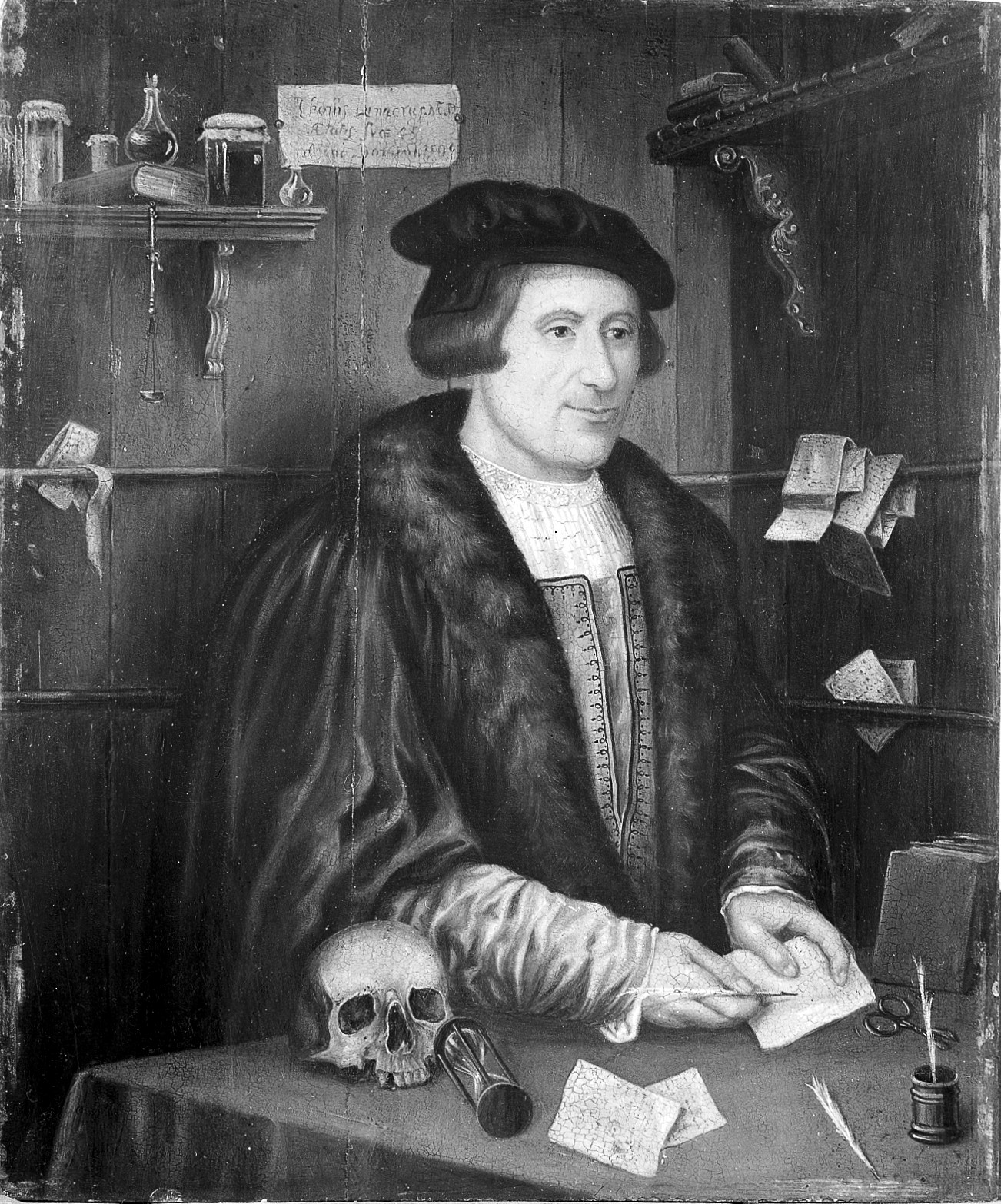
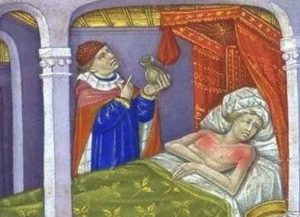


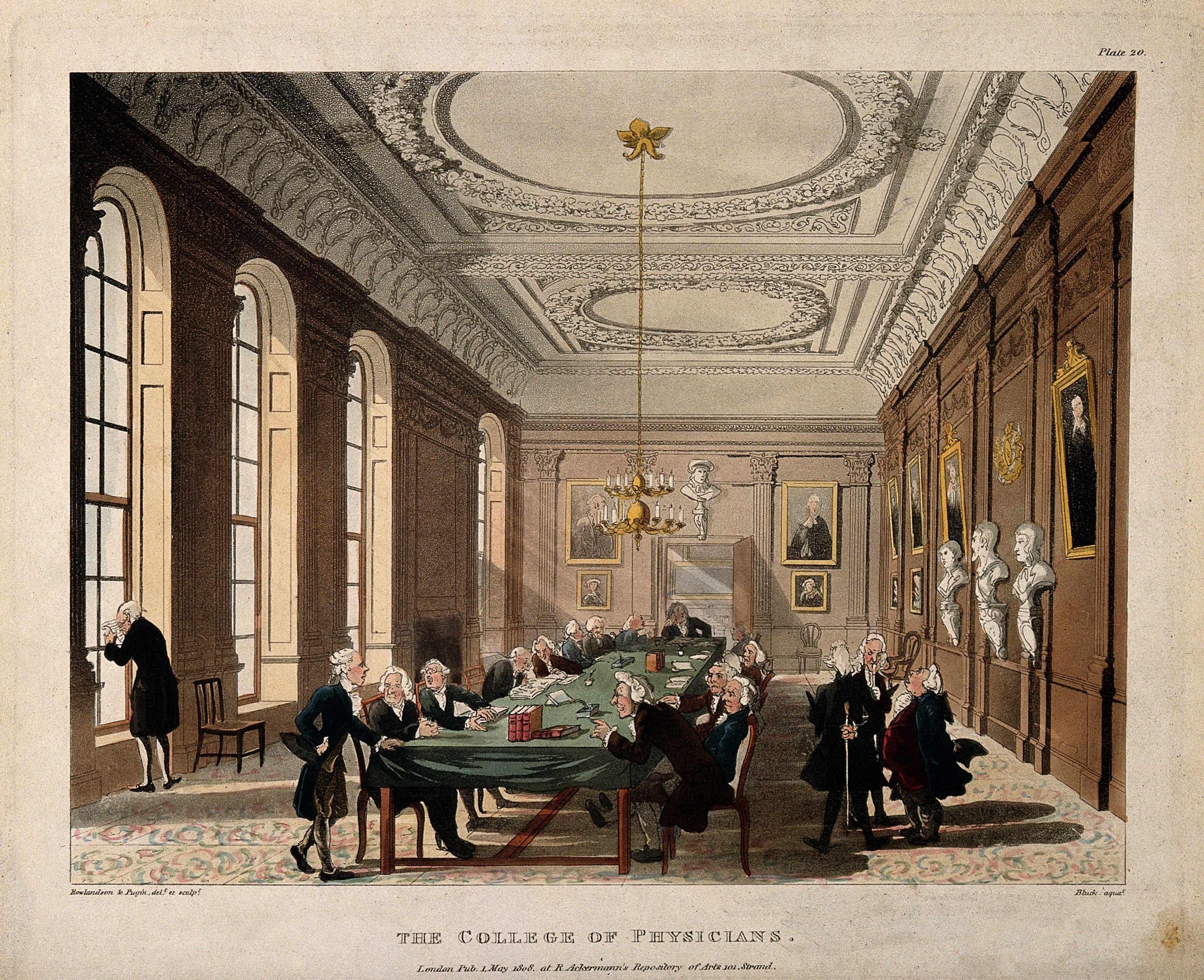
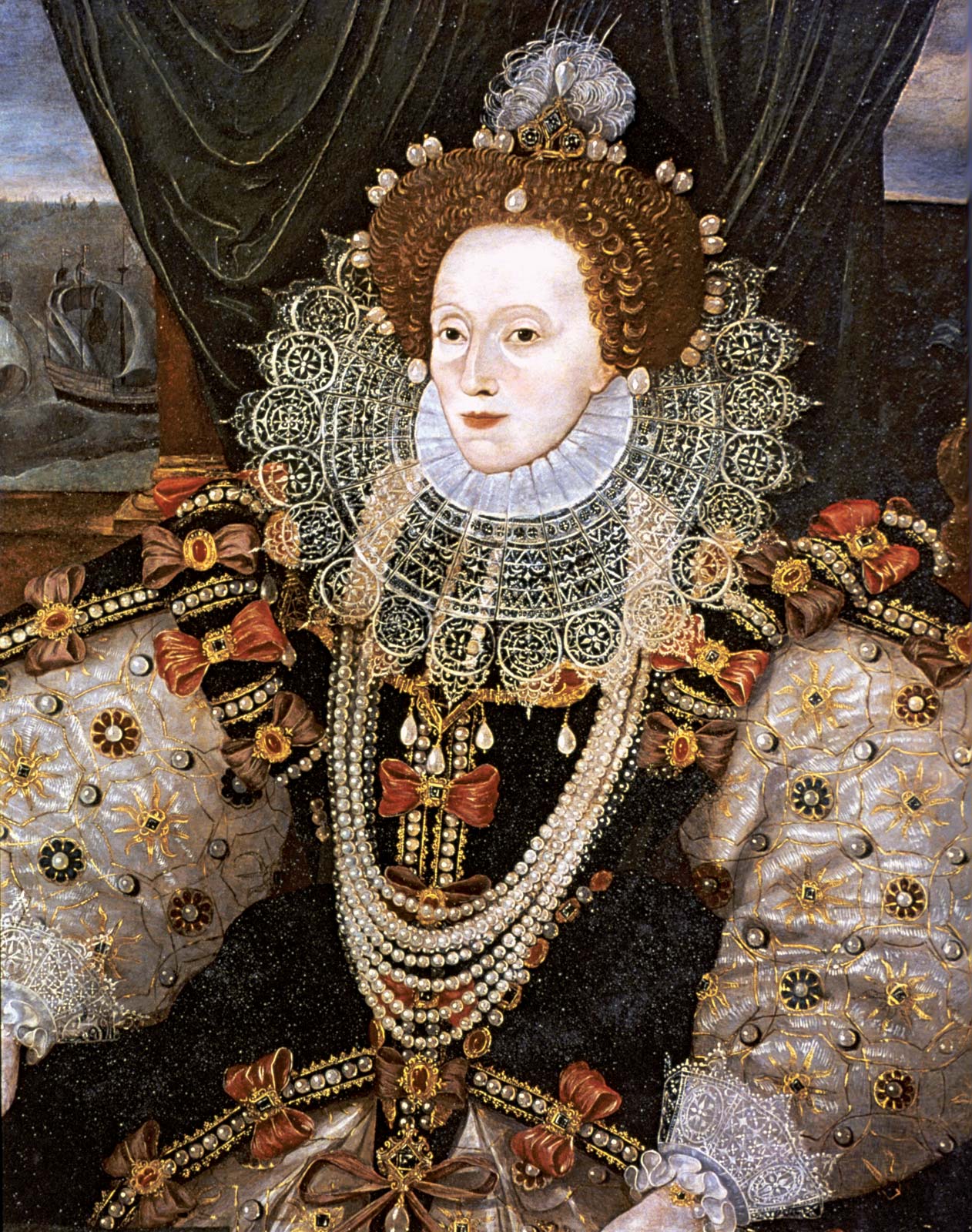


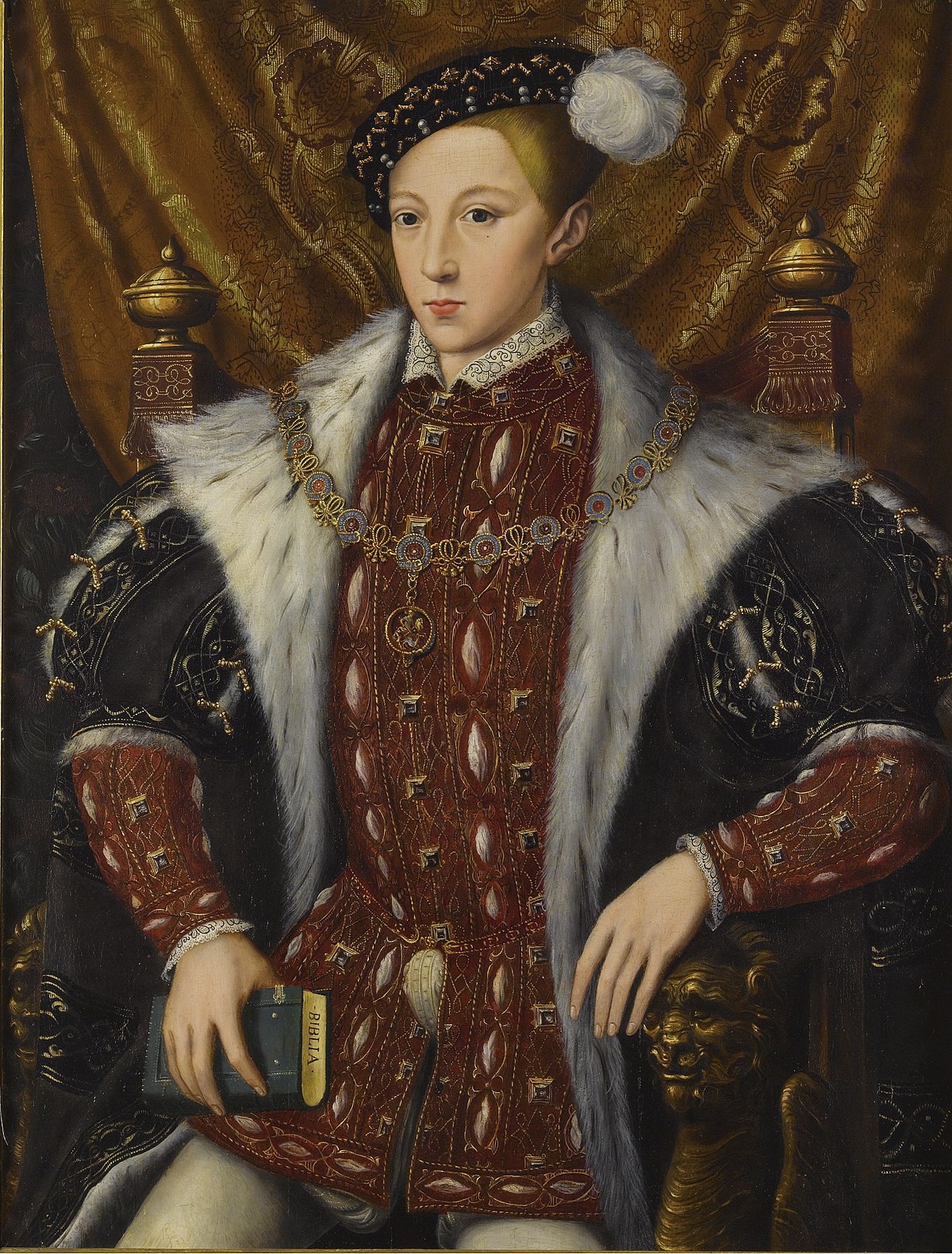

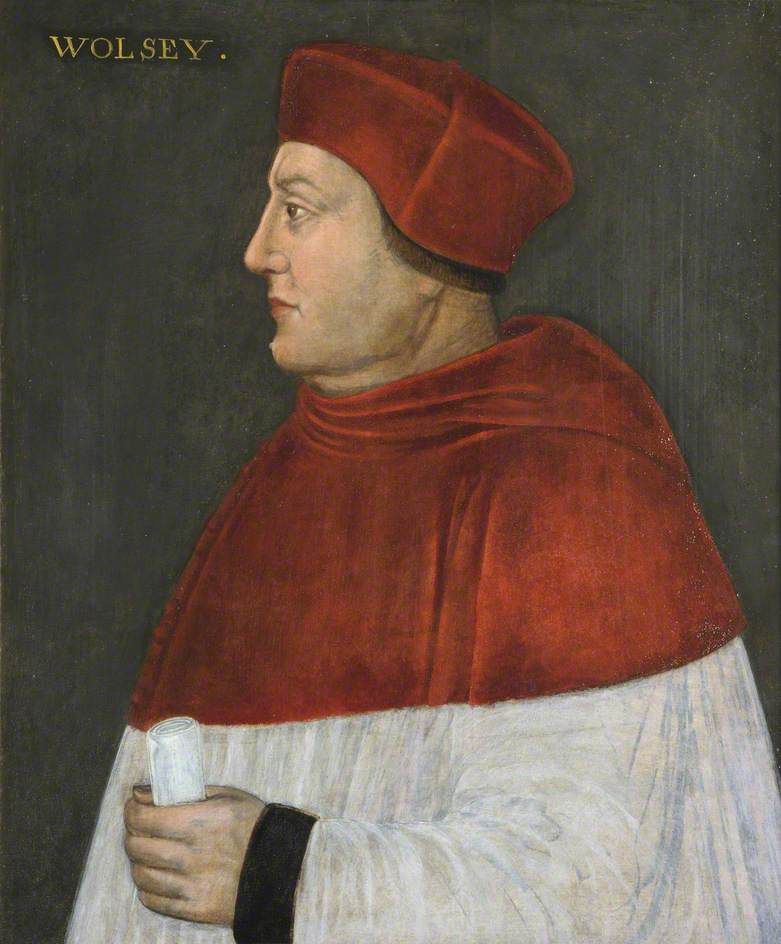
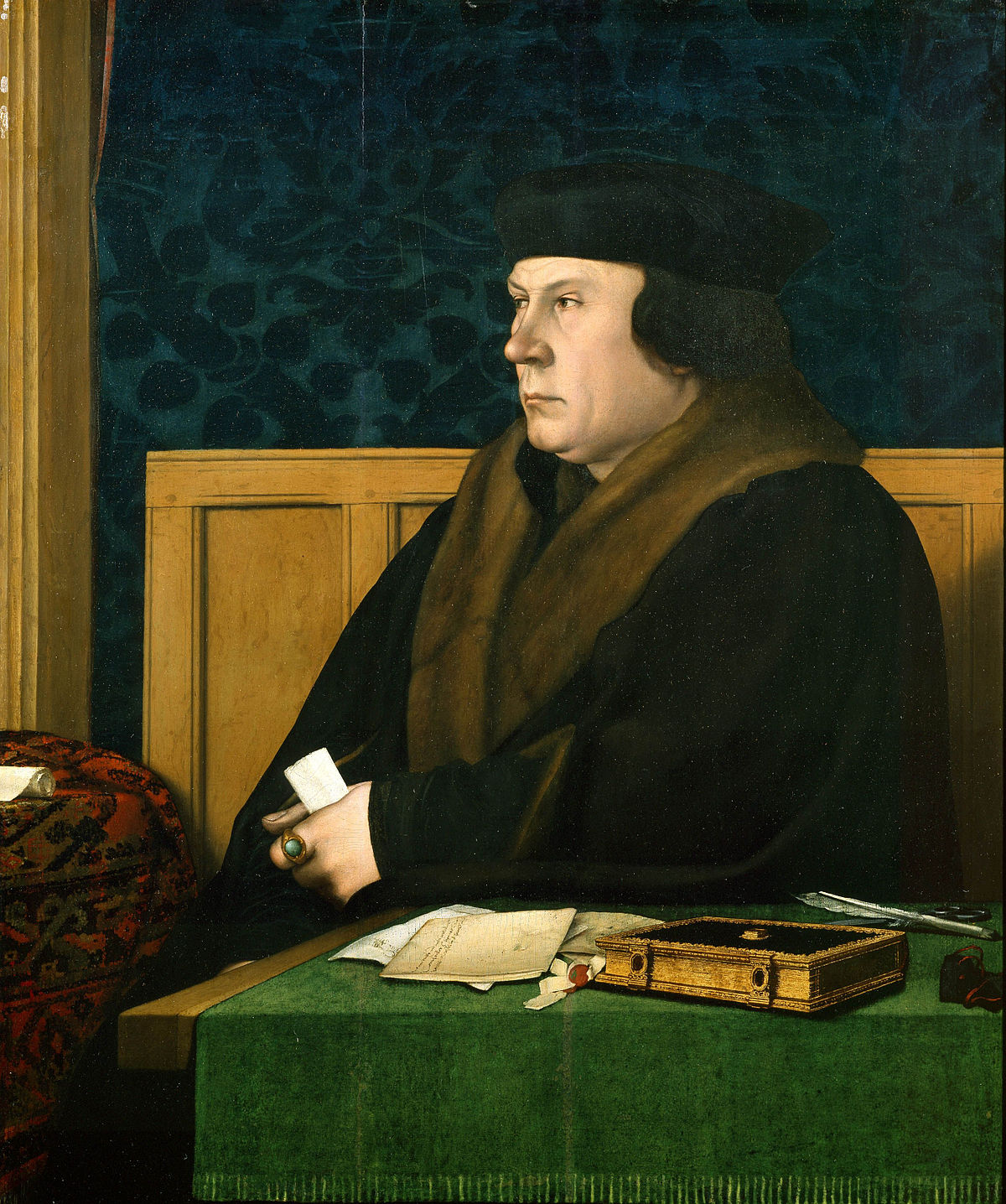
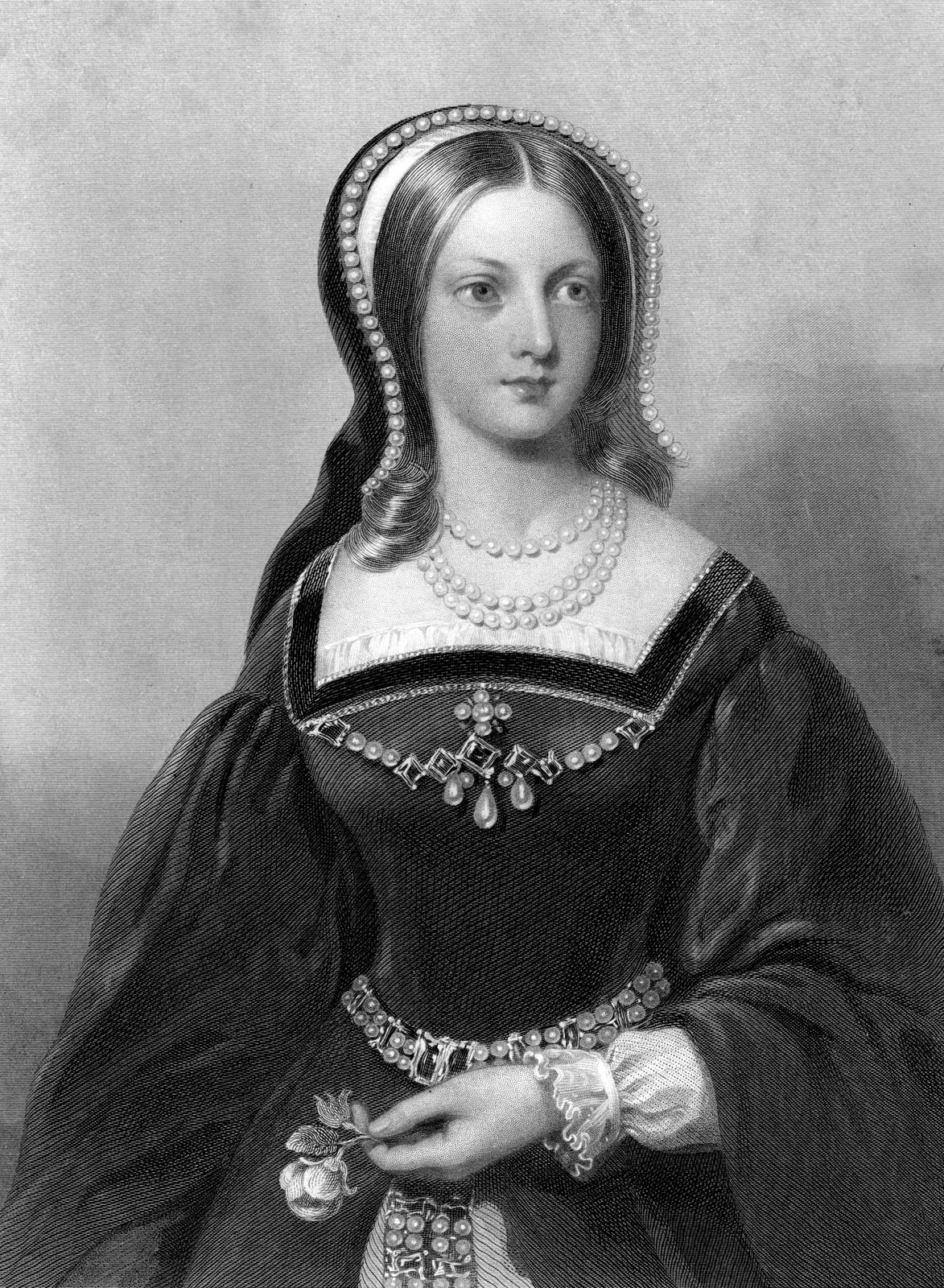
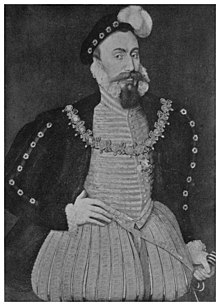

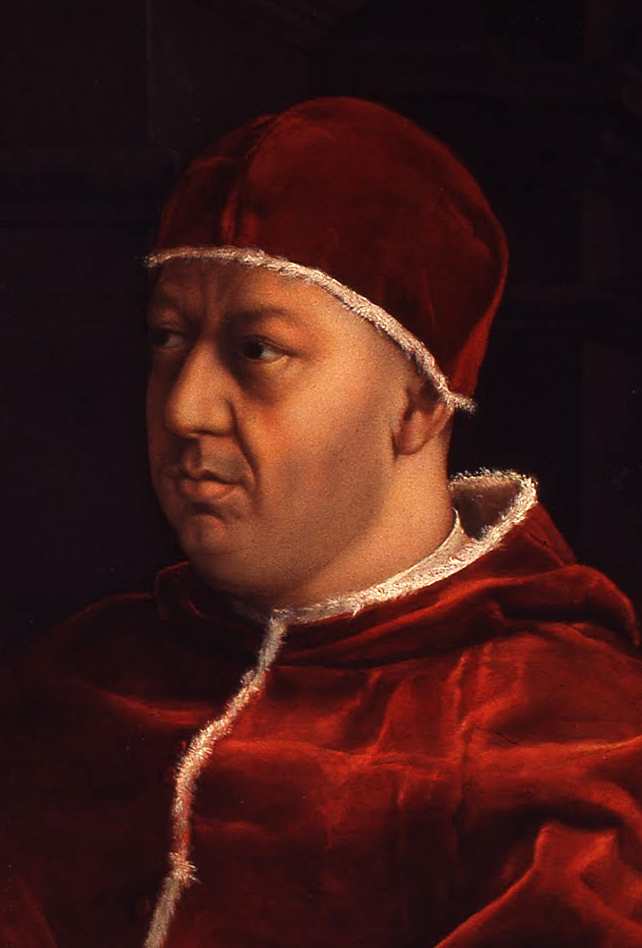


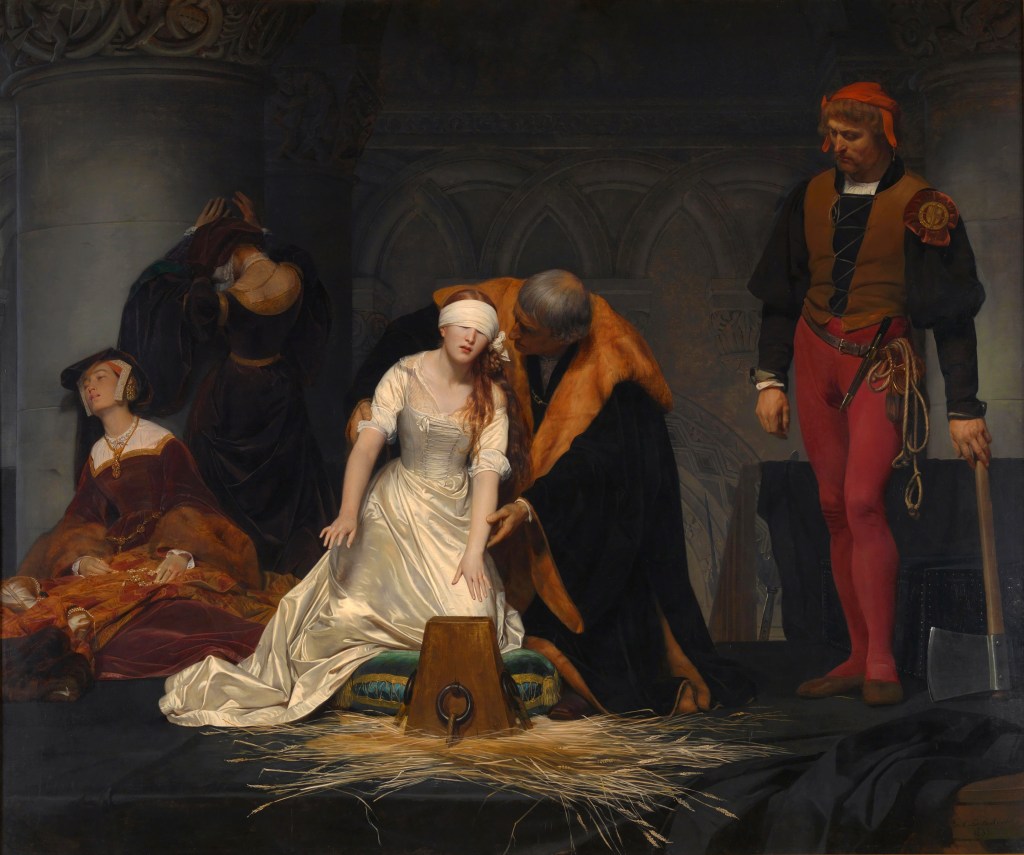
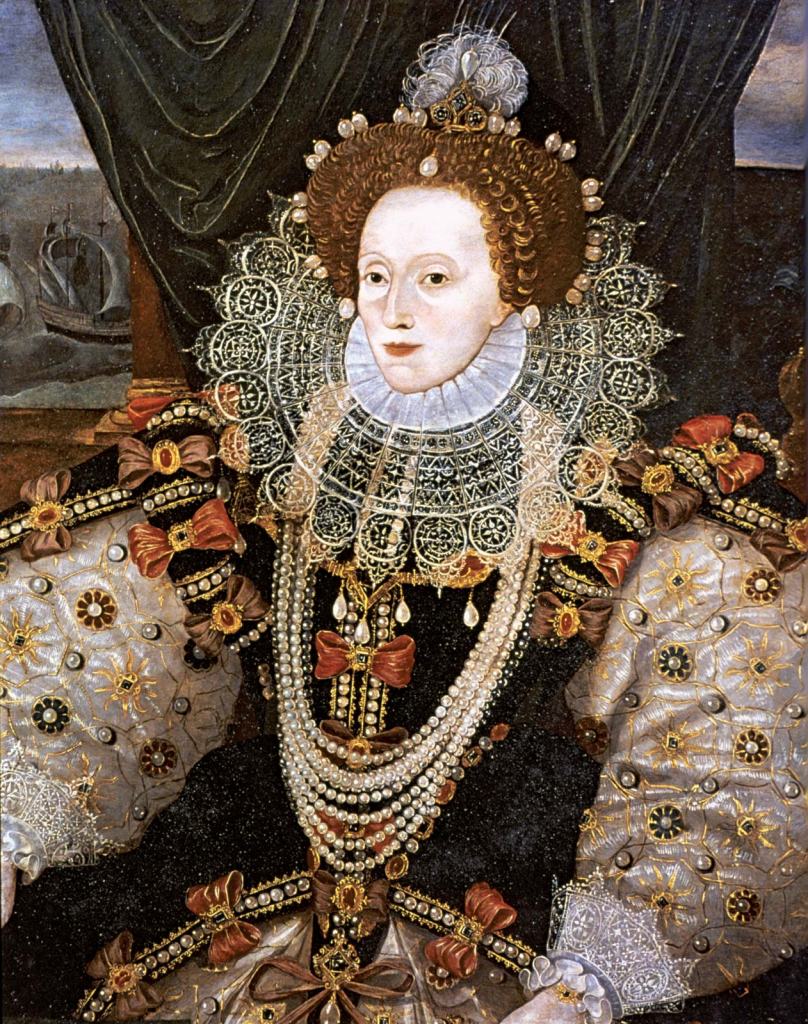

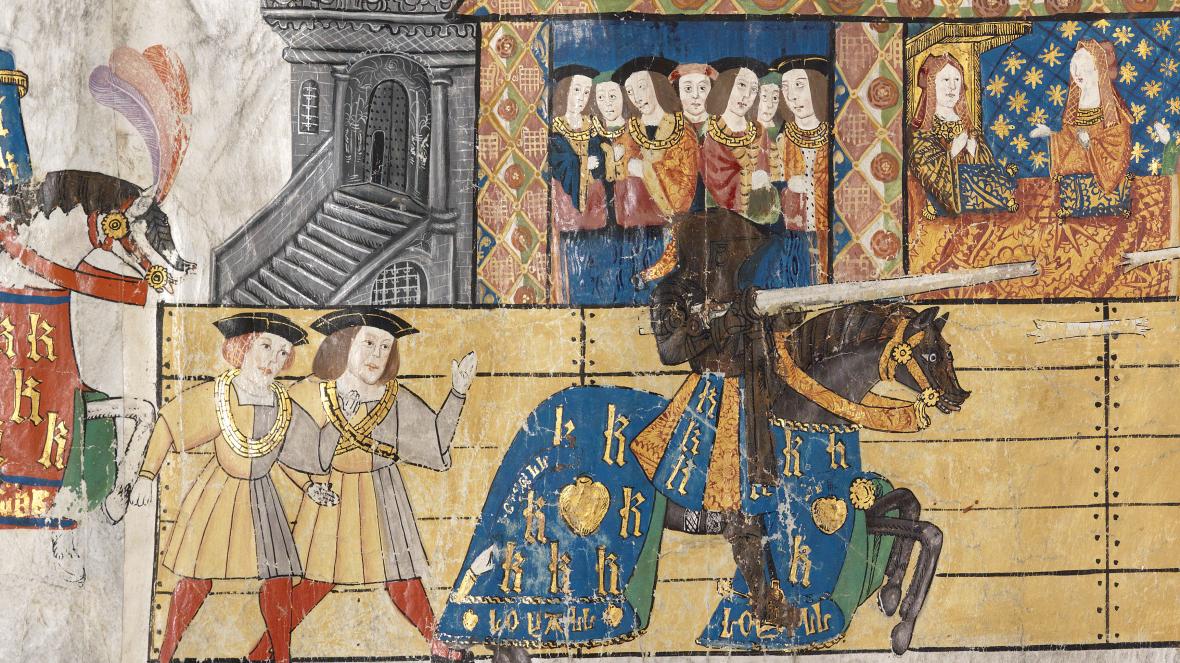


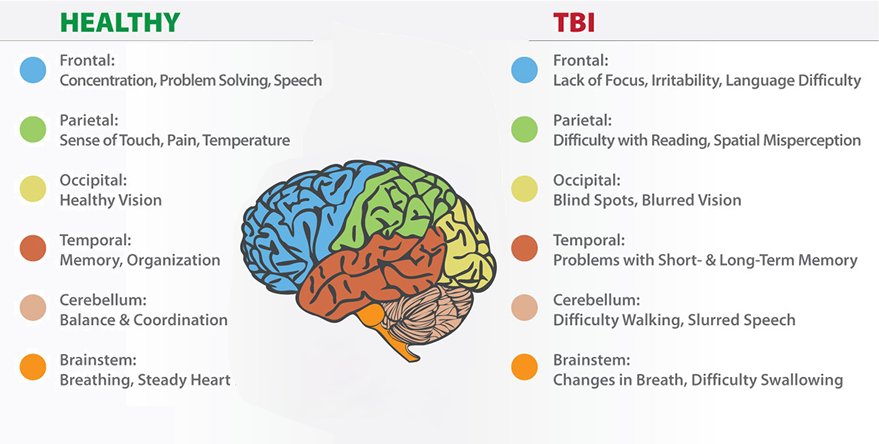


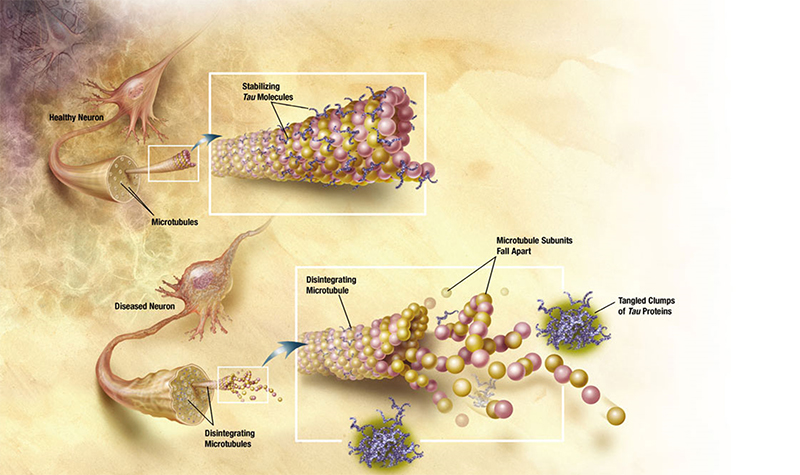

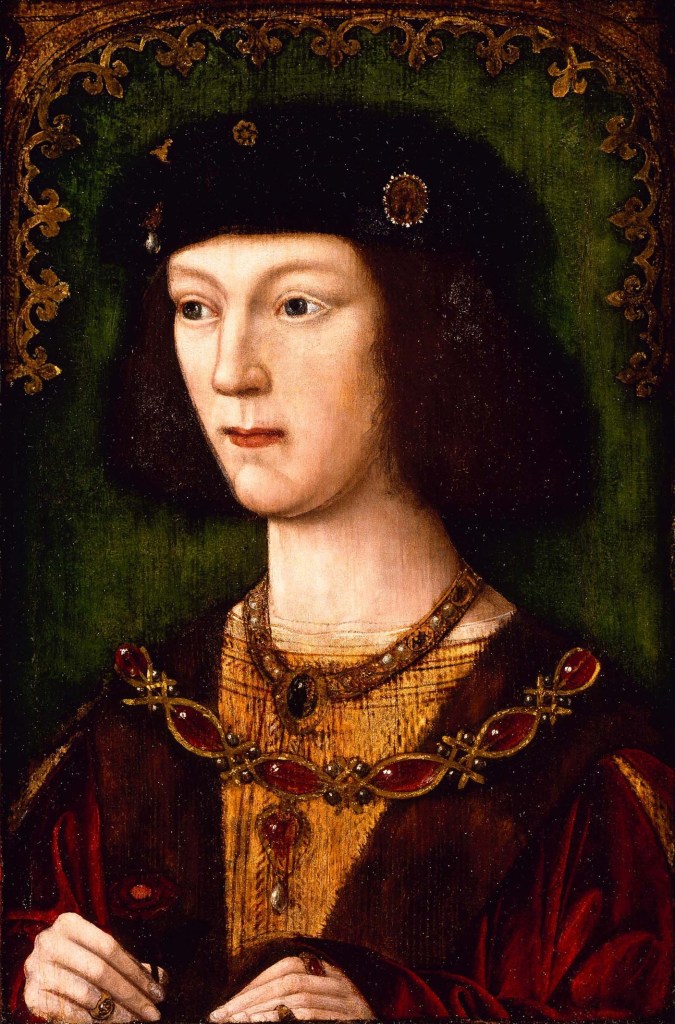

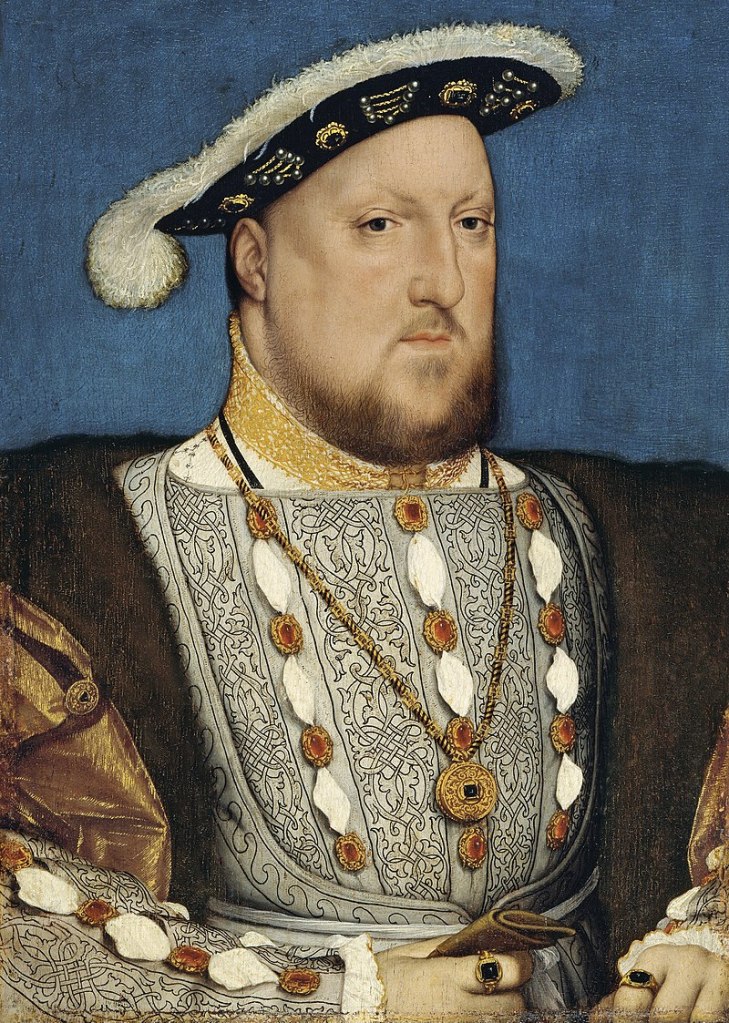


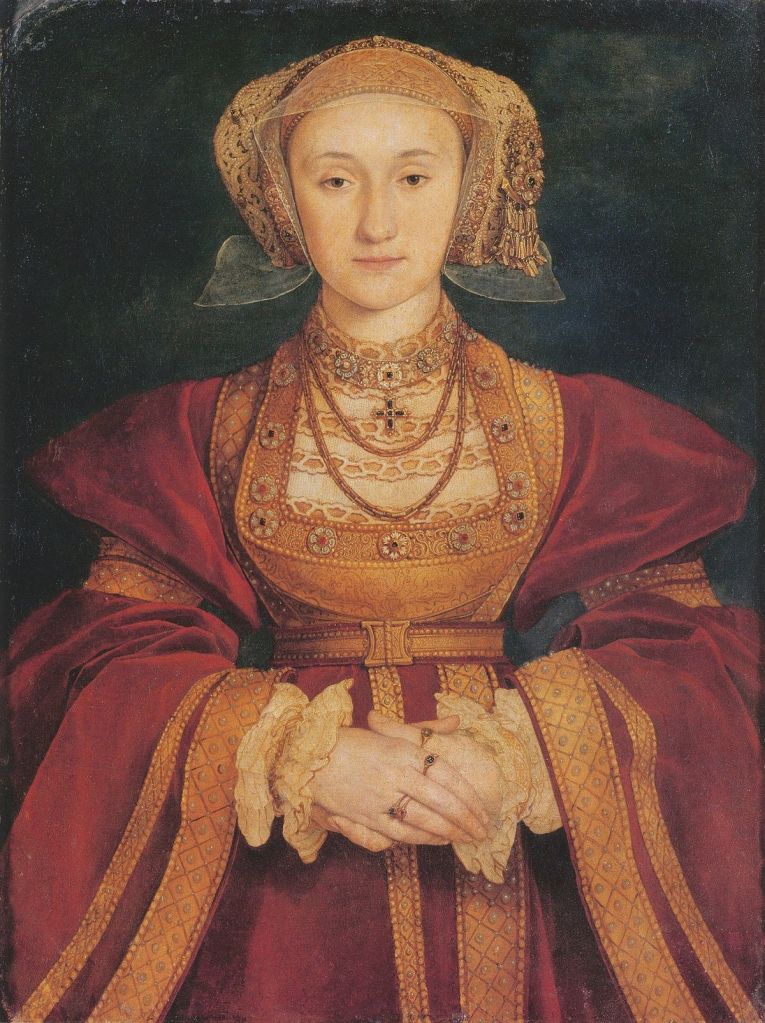


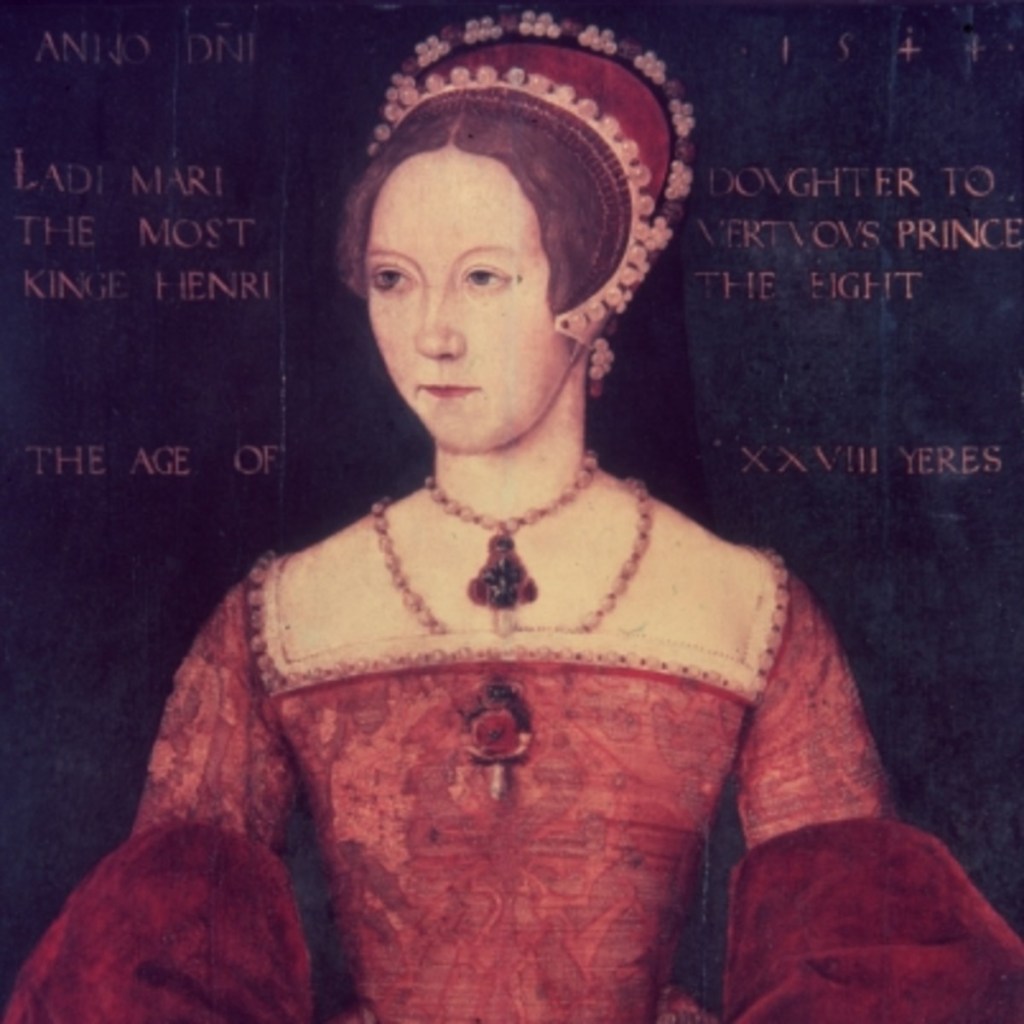


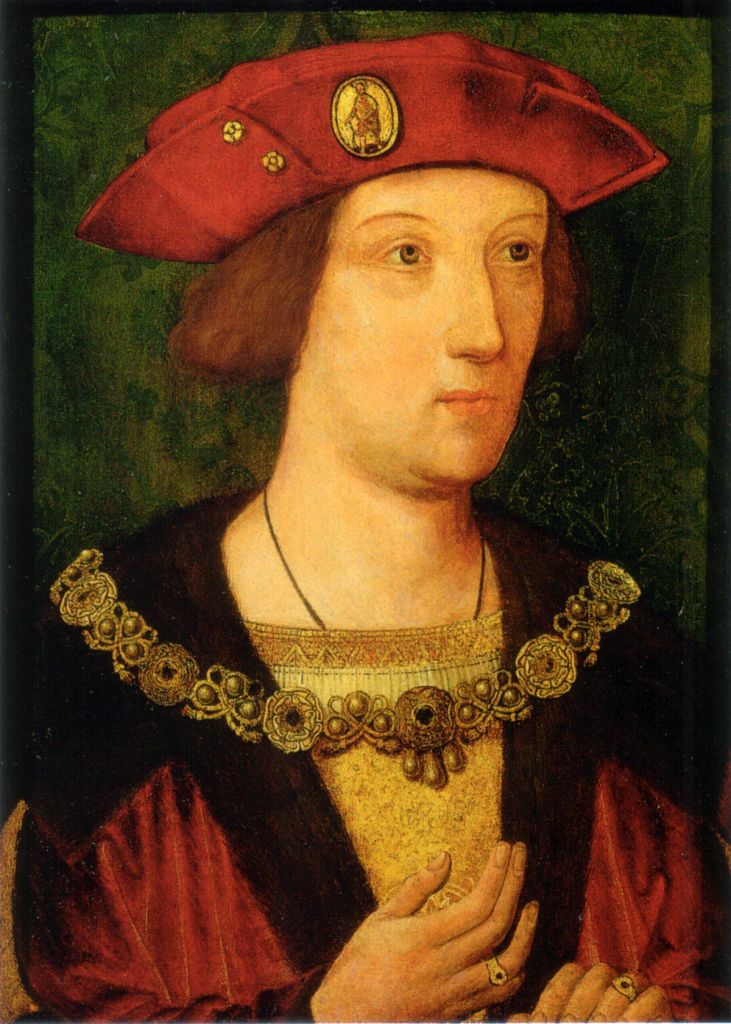


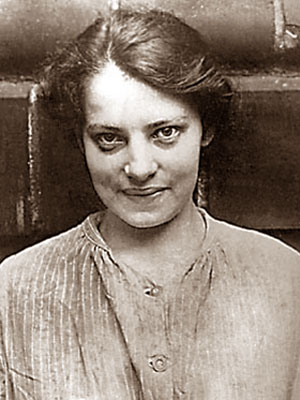


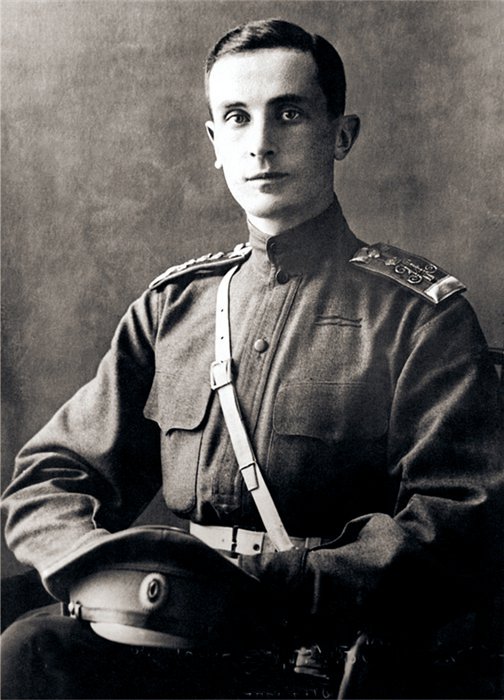

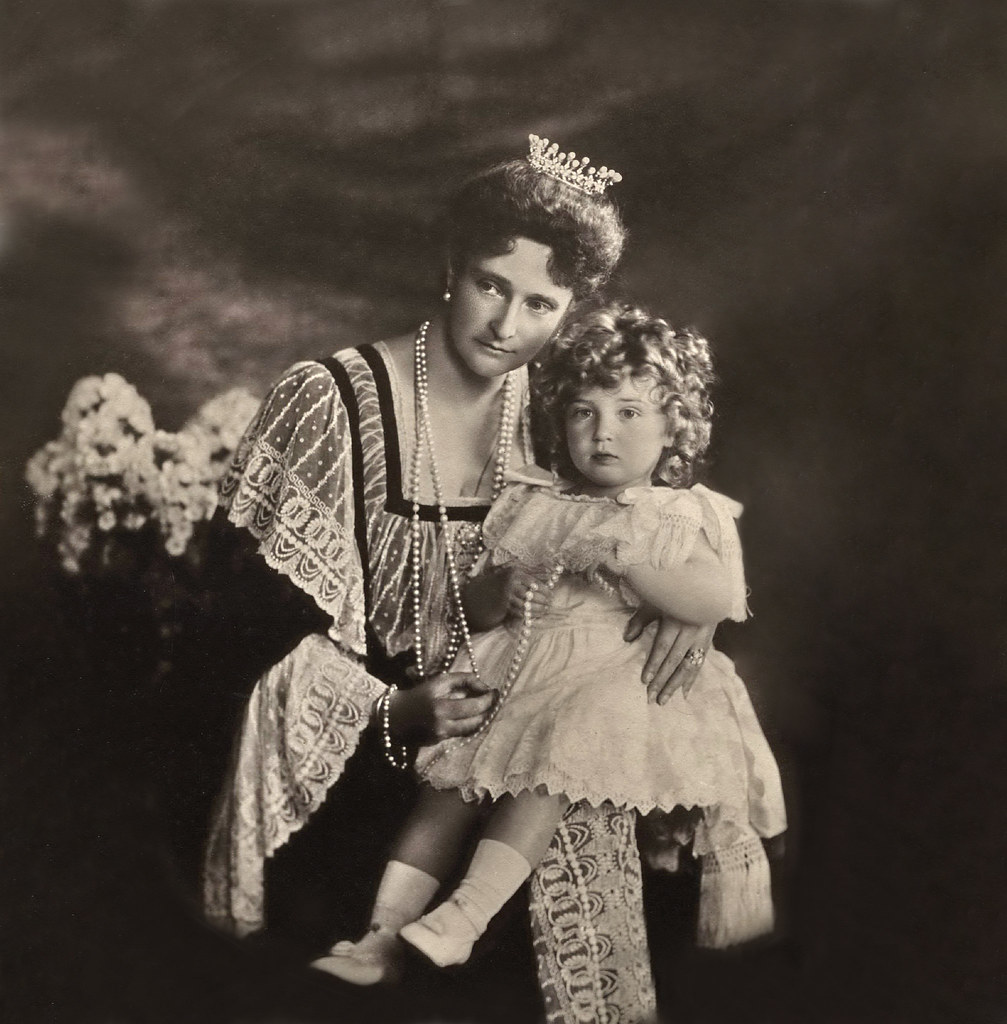
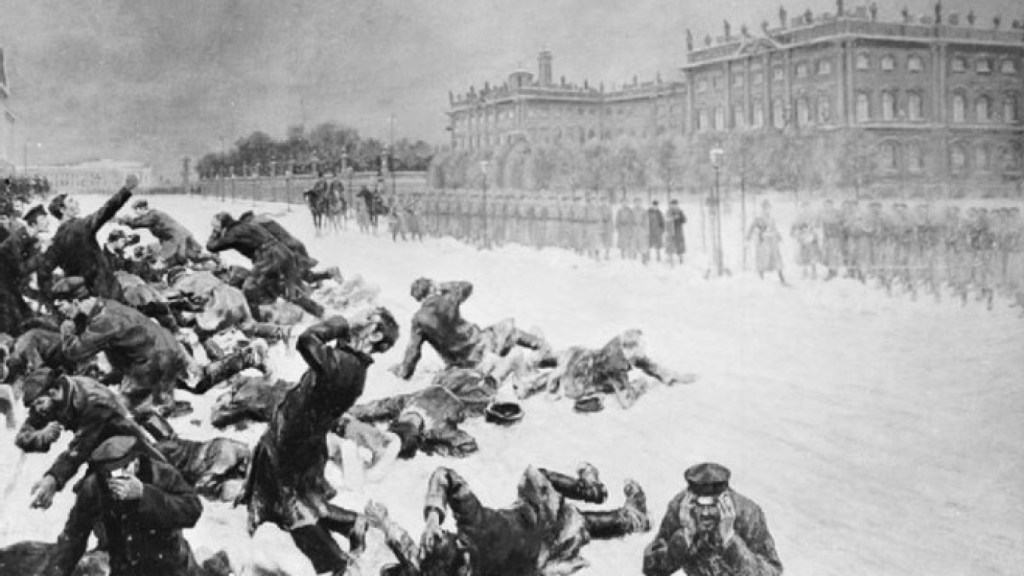

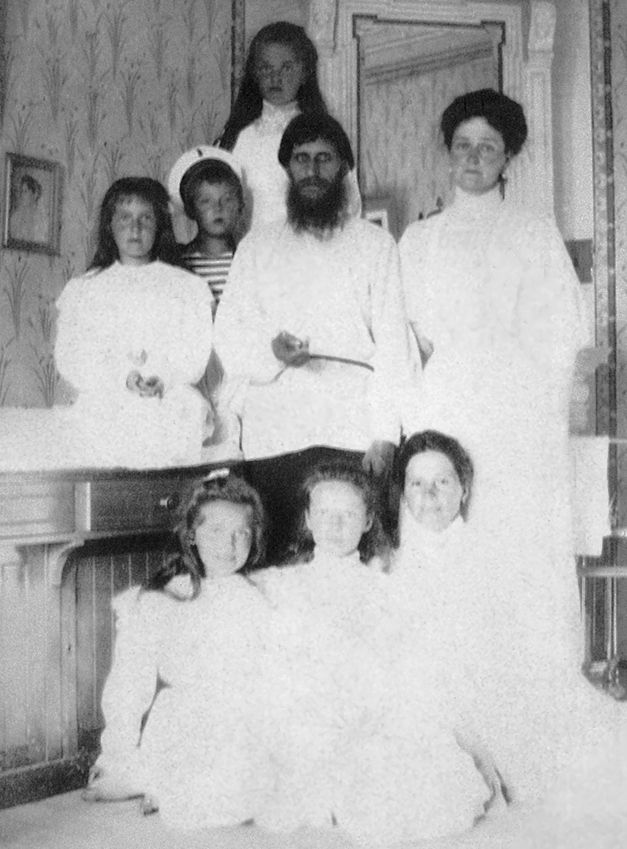


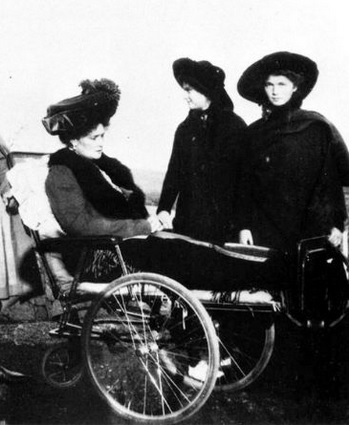


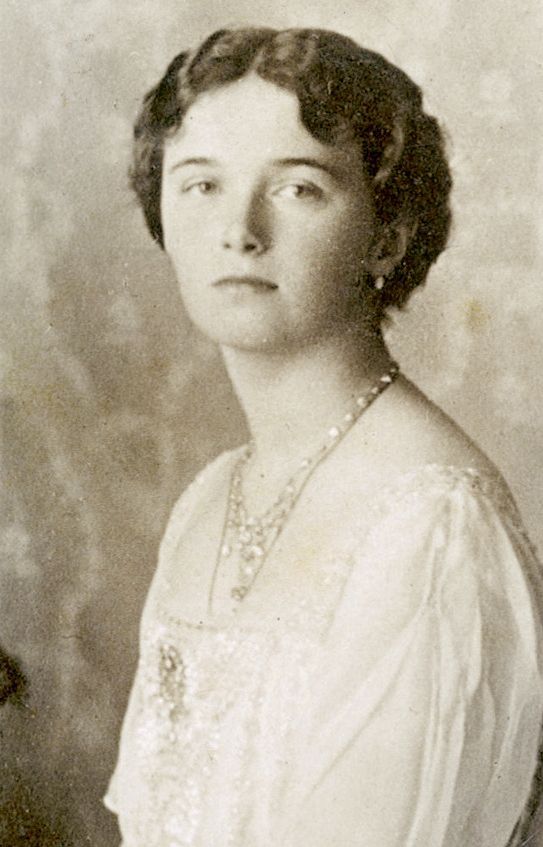




 Uneasy Lies the Crown